





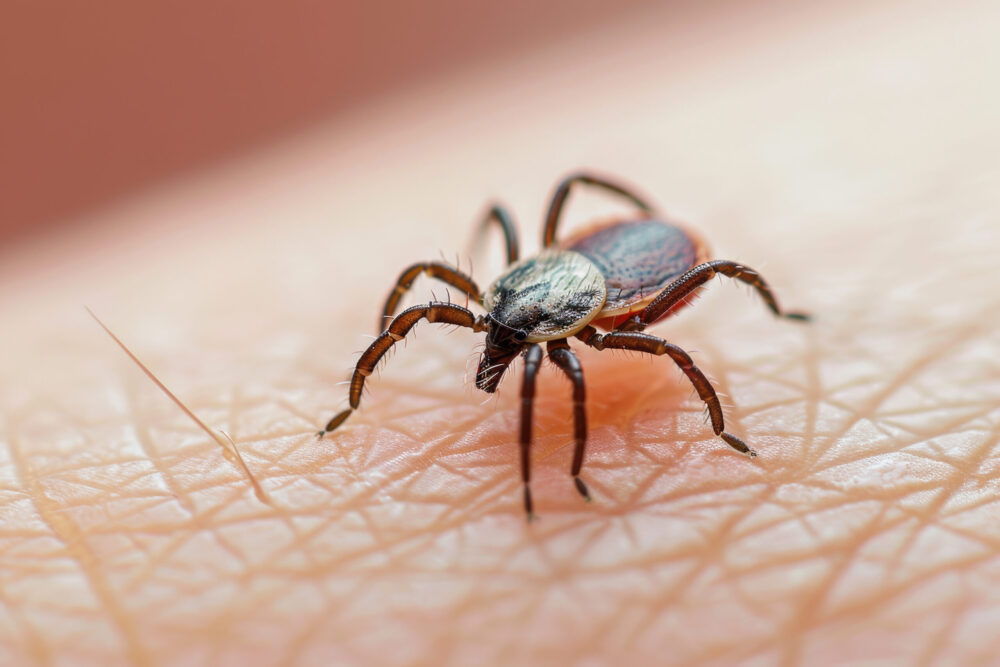
Scrub Typhus: The Silent Threat from Chigger Mites to Watch Out For
Scrub Typhus (Scrub Typhus)
is an acute infectious disease caused by a type of bacteria and is a significant endemic disease in the Asia-Pacific region, including Thailand. It is considered a silent threat, often found in people who travel or engage in activities in mountainous forests, grasslands, or areas with dense bush. If not diagnosed and treated promptly, it can lead to severe complications and be life-threatening.
Cause and Transmission of the Disease
Scrub typhus is caused by an infection with a bacterium in the Rickettsia group called Orientia tsutsugamushi. The disease is transmitted by chigger mites (which are the larval stage of mites from the Family Trombiculidae) acting as vectors.
- Vector: Infected chigger mites bite and transmit the bacteria into the skin of people or animals.
- Reservoir: Small rodents such as rats, tree shrews, and ground squirrels are natural reservoirs of the bacteria.
- Transmission to Humans: Infection in humans occurs when bitten by an infected chigger mite. It is often found during the transition from the rainy to the cold season, or during activities in forested or mountainous areas.
Key Symptoms Indicating Danger
Generally, people bitten by chigger mites will start showing symptoms within an incubation period of about 7-14 days (up to 3 weeks). Initial symptoms are often non-specific, but there are key symptoms to observe that signal the severity of the disease.
- Persistent High Fever: Sudden onset of high fever, which may reach 39 °C – 40 °C, and often does not respond to antipyretics.
- General Flu-like Symptoms: Severe headache, muscle aches, chills, fatigue.
- Specific Lesion (Eschar): A distinctive feature of the disease, found in approximately 50-80% of patients. It appears as a dark lesion resembling a cigarette burn or a hard scab, typically found in areas where the chigger mite bit, such as the armpit, groin, under the breast, or covered areas of the body.
- Rash: May have a flat or slightly raised red rash on the trunk.
- Swollen Lymph Nodes: Swollen lymph nodes are often found near the bite wound.
Severe and Life-Threatening Complications
If not treated promptly and appropriately, the infection can spread and affect multiple body systems, leading to dangerous complications.
- Organ Failure: May lead to pneumonia, hepatitis, or acute kidney failure.
- Neurological Complications: Such as meningitis, encephalitis, which may cause confusion, lethargy, or coma.
- Death: The mortality rate in untreated patients may be as high as 20%, but the death rate is significantly reduced if treated promptly with the correct antibiotics.
5 Essential Steps for Effective Scrub Typhus Prevention
As there is currently no vaccine against Scrub Typhus, the best prevention is to avoid being bitten by chigger mites, especially when entering high-risk areas.
1. Wear Protective Clothing in High-Risk Areas
- Wear Covering Clothes: When entering forests, grasslands, or areas with bushes, choose to wear long-sleeved shirts and long pants that can be tucked into socks or boots completely.
- Avoid Contact with Bushes: Try to walk on trails and avoid walking through tall grass or sitting/lying on the ground, grassy areas, or areas that are damp and covered with bushes.
2. Use Chemical Repellents Against Chigger Mites
- Insect Repellent: Use insect repellent containing DEET (at least 20-50%) on exposed skin and reapply as directed on the label (e.g., every 4-6 hours).
- Treating Clothing: Chemical compounds like Permethrin can be sprayed on clothing and gear to increase protection effectiveness.
3. Choosing a Campsite
- Open Area: If camping, choose to pitch the tent in an open, well-ventilated area, away from thick bushes or tall piles of grass.
- Handling Bedding/Clothes: Do not place or hang clothes on trees or bushes. They should be stored in a safe place.
4. Check and Clean the Body Immediately After Returning from a Risk Area
- Shower and Change Clothes: You should immediately take a shower, wash your hair, and clean your body with soap upon returning from a risk area, as chigger mites may be attached to the body.
- Inspect the Body: Thoroughly check your body, especially delicate and hidden skin areas such as the groin, armpits, under clothing, around the waist, and skin folds.
- Clean Clothing: Immediately wash the worn clothes with a concentrated detergent to eliminate any attached chigger mites.
5. Observe Symptoms and Seek Medical Attention Promptly
- Monitor Symptoms: If you experience a high fever, headache, and have a history of travel or activity in forests/mountainous areas within 2 weeks, you should seek medical attention immediately.
- Inform Travel History: The most important thing is to inform the doctor in detail about your history of entering forests or risk areas to receive the quickest diagnosis and appropriate antibiotic treatment, which will help reduce the chance of severe complications.
Reference Sources
- ข้อมูล สครับไทฟัส (Scrub Typhus, Mite-borne typhus fever) | กรมควบคุมโรค (Department of Disease Control, DDC)
- ไข้รากสาดใหญ่ (Scrub Typhus) คืออะไร เที่ยวป่าแคมป์ปิ้งต้องระวัง | BeDee
- ไข้รากสาดใหญ่…ไข้จากตัวไรอ่อนกัด !!! | โรงพยาบาลสินแพทย์
- โรคไข้รากสาดใหญ่ | ศูนย์การแพทย์ศรีพัฒน์ คณะแพทยศาสตร์ มหาวิทยาลัยเชียงใหม่