





Hernia: A Dangerous Condition to Be Aware Of
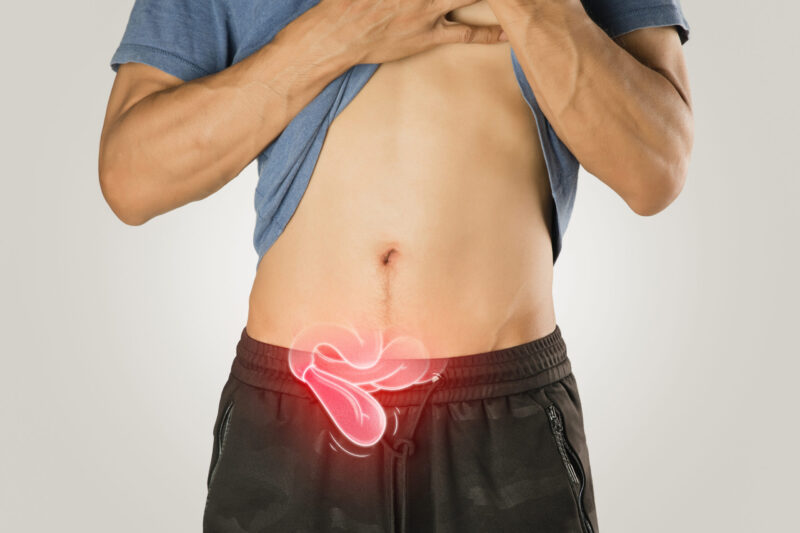
Hernia is a condition in which internal abdominal organs such as the small intestine or fatty tissues protrude through a weakened or abnormal opening in the muscle wall, forming a visible bulge in the abdomen or groin. The protruding organ remains covered by its original membrane.
Causes and Symptoms of Hernia
Common causes of hernia include:
- Congenital abnormalities in the abdominal wall
- Frequent heavy lifting
- Chronic coughing, constipation, or frequent straining during bowel movements
- Being overweight or obese
- Pregnancy
- Old surgical wounds
Symptoms of a hernia
- A noticeable bulge in the groin, navel, or surgical scar area
- Pain or discomfort around the bulge, especially when standing, coughing, or lifting
- Burning sensation, abdominal tightness, or nausea
- If the hernia becomes strangulated, it can cause severe pain, vomiting, bloating, and may be life-threatening
Common Types of Hernias
- Inguinal hernia: The most common type, especially in males
- Umbilical hernia: Frequently found in newborns
- Femoral hernia: More common in females than males
- Incisional hernia: Caused by previous surgical wounds
- Hiatal hernia: Occurs when part of the stomach moves up into the chest cavity
Initial Care Tips for Hernia Patients
- Avoid heavy lifting
To reduce abdominal pressure and prevent hernia from worsening - Refrain from strenuous exercises
Such as jumping, weightlifting, or abdominal workouts—especially during the first month after symptom onset or surgery - Manage body weight
Those who are overweight or obese should aim to lose weight to relieve abdominal pressure - Avoid straining during bowel movements or intense coughing/sneezing
Chronic constipation or respiratory diseases should be treated to minimize intra-abdominal pressure - Adjust eating habits
5.1 Eat fiber-rich foods such as vegetables, fruits, and whole grains to prevent constipation
5.2 Drink adequate water daily
5.3 Avoid gas-producing foods like beans or fermented foods
References