





Abdominal Obesity Increases Risk of Fatty Liver More Dangerous Than You Think!
In today’s fast-paced world, unhealthy diets, lack of exercise, and sedentary lifestyles have become the norm. As a result, many people face health problems—especially “abdominal obesity.” It’s not just about appearance; it’s a warning sign of potential chronic diseases, including “fatty liver disease”—a silent condition that often shows no early symptoms but can progress to cirrhosis or liver cancer if left untreated.
What is “Abdominal Obesity”? And Why Is It Harmful to the Liver?
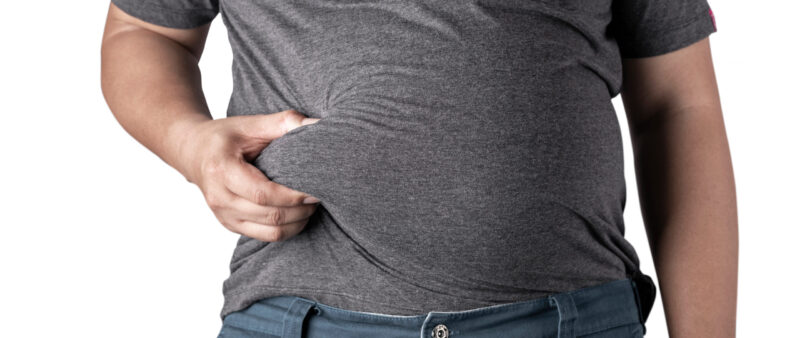
Abdominal obesity (also known as Central Obesity) is the excessive accumulation of fat in the abdominal area. Waist circumference is a key indicator.
- Men: Waist circumference of 90 cm (35.5 inches) or more
- Women: Waist circumference of 80 cm (31.5 inches) or more
The fat stored in the abdomen is not ordinary subcutaneous fat but is called “visceral fat”. This type of fat is highly metabolically active and releases inflammatory cytokines and other chemicals directly into the bloodstream, affecting internal organs—especially the liver. This can lead to insulin resistance and fat accumulation in liver cells.
Fatty Liver
Fatty liver is a condition in which fat accumulates excessively in liver cells, accounting for more than 5% of the liver’s total weight. It can be classified into two main types:
- Alcoholic Fatty Liver Disease (AFLD): Caused by excessive, regular alcohol consumption.
- Non-Alcoholic Fatty Liver Disease (NAFLD): Now far more common and closely linked with abdominal obesity, insulin resistance, and metabolic syndrome.
Severity of Non-Alcoholic Fatty Liver Disease (NAFLD)
- Simple Fatty Liver: Fat accumulation without inflammation. Most patients show no symptoms.
- Non-Alcoholic Steatohepatitis (NASH): Fatty liver with inflammation. This is a dangerous stage, as chronic inflammation can damage liver cells and lead to fibrosis.
- Fibrosis/Cirrhosis: If chronic inflammation continues, liver fibrosis worsens and leads to cirrhosis, significantly impairing liver function.
- Hepatocellular Carcinoma (HCC): Patients with cirrhosis due to fatty liver are at high risk of developing liver cancer.
Who Is at Risk for Non-Alcoholic Fatty Liver Disease?
- Those with abdominal obesity / overweight / obesity: The main risk factor due to insulin resistance caused by excess abdominal fat.
- Type 2 diabetes patients: Especially those with poor blood sugar control.
- People with abnormal blood lipid levels: High triglycerides or low HDL cholesterol.
- People with high blood pressure: Often associated with metabolic syndrome.
- People with unhealthy eating habits: High intake of sugar (especially fructose), trans fats, processed foods, and fast food.
- People with a sedentary lifestyle: Poor energy expenditure leads to fat accumulation.
- People with obstructive sleep apnea (OSA): Associated with insulin resistance.
Warning Signs of Fatty Liver (Often Asymptomatic)
In its early stages, fatty liver disease typically has no or only mild symptoms, making it hard to detect.
- Unusual fatigue or tiredness
- Discomfort or dull pain under the right ribcage (location of the liver)
- Nausea and loss of appetite (in more severe cases)
How to Prevent and Manage Fatty Liver
- Lose weight and reduce waistline: This is crucial. Losing just 5–10% of body weight can significantly reduce liver fat.
- Improve eating habits:
- Reduce sugar and refined carbs: Especially sugary drinks, soda, sweets, and white flour products, as excess sugar converts to liver fat.
- Avoid unhealthy fats: Such as saturated fat (from fatty meats, poultry skin), trans fats (from margarine, baked goods), and fried foods.
- Increase dietary fiber: Focus on vegetables, fresh fruits, and whole grains to help control blood sugar and fat levels.
- Choose lean proteins: Like fish, skinless chicken breast, and legumes.
- Exercise regularly: Aim for at least 150 minutes of moderate aerobic exercise per week, such as brisk walking, jogging, cycling, or swimming to burn fat and improve insulin sensitivity.
- Manage underlying health conditions: Properly control diabetes, high blood pressure, or abnormal cholesterol levels as per medical advice.
- Avoid alcohol: Although not the main cause, alcohol is toxic to the liver. Avoiding it supports liver recovery.
- Consult your doctor and get regular check-ups: Especially if you’re at risk. Routine screening and monitoring help prevent complications.
Cancer Screening Program (Female) – 9,300 THB
Cancer Screening Program (Male) – 5,200 THB
References