






What is uterine prolapse, what causes it, and who is at risk? This article provides the answers, including whether you can still have children if you experience uterine prolapse, along with other essential information you should know.
Symptoms of uterine prolapse can occur in women who have given birth or are postmenopausal. But what exactly is uterine prolapse, what causes it, and can someone with prolapse still have children? This article answers it all—with treatment options. Read on.
What is uterine prolapse?
Uterine prolapse is a condition in which the muscles and tissues of the pelvic floor that normally hold the uterus in place become weakened, causing the uterus to descend to a lower-than-normal position or into the vaginal canal. The severity of prolapse varies in degrees.
What causes uterine prolapse?
Uterine prolapse can result from multiple causes and is common in postmenopausal women or women who have had multiple births. It often stems from damage to the uterus and pelvic floor muscles from vaginal delivery. Aging can also contribute as the supporting tissues that hold the uterus weaken over time.
Symptoms of uterine prolapse
When the uterus descends, it can cause the following symptoms:
- A feeling of heaviness in the pelvis
A dragging or heavy sensation in the pelvic area occurs because the descended uterus presses on other pelvic organs. It often feels like something is weighing down the pelvis, causing discomfort.
- Pelvic and lower back pain
In addition to heaviness, pelvic and lower back pain may occur. The prolapsed uterus can pull on ligaments and pelvic muscles, leading to a dull ache or pressure that worsens when standing, walking, or doing activities.
- Pain during sexual intercourse
Another sign is pain during intercourse. A descended uterus can push against the vaginal wall, causing pain or discomfort as if something is obstructing the vaginal canal.
- Constipation
Constipation can indicate prolapse because the uterus may press on the large intestine, making bowel movements difficult and causing abdominal discomfort.
- Urinary incontinence, leakage, or frequency
Being unable to hold urine, experiencing leakage, or needing to urinate often can signal prolapse. The descended uterus can compress the bladder, leading to urgency, frequency, and leakage with coughing, sneezing, or lifting.
- Uterus descending into the vagina
In severe cases, the uterus may descend into and protrude from the vagina, felt as a bulging mass, often with soreness, burning, or vaginal ulcers.
Can you get pregnant with uterine prolapse?
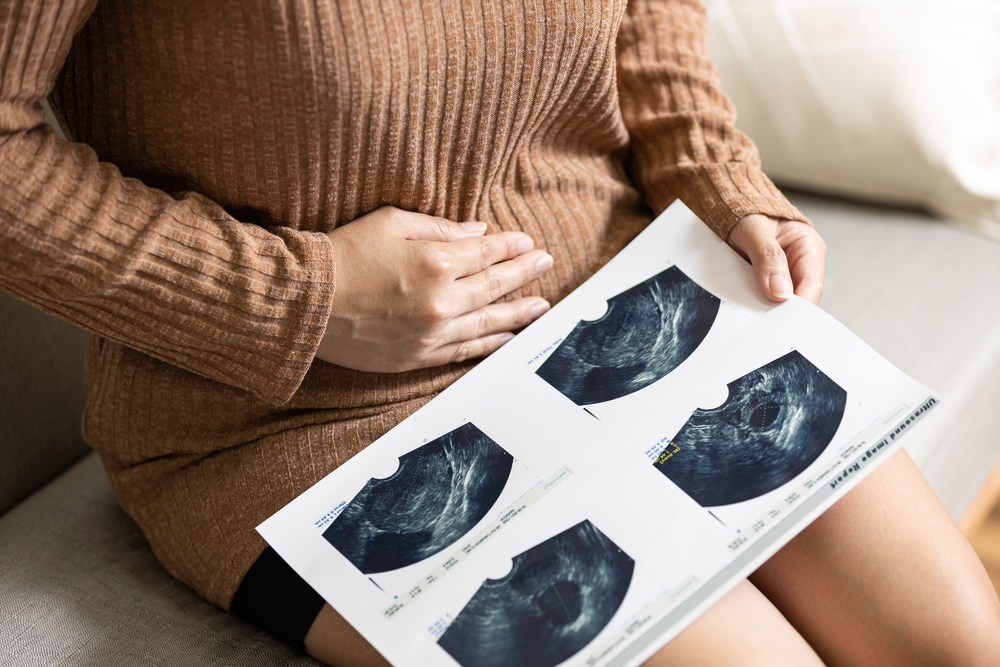
Yes. People with uterine prolapse can conceive and carry a pregnancy because prolapse itself does not prevent pregnancy. However, it may increase pregnancy complications such as difficult labor, placenta previa, placental abruption, and pelvic infections.
How is uterine prolapse treated?
Treatment depends on the severity of descent and may include:
- Conservative management
- Weight reduction to decrease pelvic pressure
- Pelvic floor training (e.g., Kegel exercises) to strengthen pelvic muscles
- Lifestyle changes—avoid heavy lifting and straining during bowel movements
- Medications such as pain relievers, hormones, or antibiotics when infection is present
- Pessary support: a silicone or plastic device inserted into the vagina by a doctor to support the uterus—appropriate for mild cases
- Surgery for severe prolapse as a definitive option, e.g., vaginal wall repair, hysterectomy, or minimally invasive (laparoscopic) procedures
If you suspect uterine prolapse—pelvic heaviness, low back pain, dyspareunia, or urinary leakage—consult a specialist at the Obstetrics & Gynecology Department, Synphaet Ramintra Hospital for proper treatment and to prevent progression.
For more information, call our Call Center at 1535