






A contraceptive implant is a type of temporary birth control that can prevent pregnancy for 3–5 years. Let’s take a look at what you need to know before getting an implant.
Nowadays, there are many contraception methods—oral pills, injections, condoms, intrauterine devices, and contraceptive implants. Implants are a relatively simple option that provide long-term pregnancy prevention. If you’re not ready to conceive and are researching implant contraception, this article covers what to know, plus a summary of pros and cons.
Contraceptive implant—what is it?
Contraceptive implanting is a temporary birth control method in which a small hormone-filled rod about 3 centimeters long is inserted under the skin of the upper arm on the non-dominant side. The implantation procedure takes only 3–10 minutes.
After insertion, the hormone gradually releases from the rod and enters the bloodstream. It then suppresses ovulation—the key mechanism preventing pregnancy—thickens cervical mucus so sperm have difficulty passing into the uterus, and thins the uterine lining, making it less suitable for embryo implantation.
Steps for contraceptive implant: Before getting an implant—what should you prepare?
If you’re interested in an implant, first see a doctor to discuss contraception goals. The doctor will take a medical history to assess any risks—for example, menstrual history, prior contraception, past illnesses and chronic conditions—and may request a pregnancy test, since the medication takes effect immediately.
After history taking and a negative pregnancy test, the doctor will insert the implant as follows:
- Clean the skin with an antiseptic solution
- Inject local anesthetic under the upper arm where the implant will be placed
- Make a small opening in the skin with a needle
- Load the hormone rod into the introducer needle
- Once the rod is placed under the skin, the doctor removes the needle and applicator, covers the site with a dressing, and applies a pressure bandage
- After insertion, the doctor palpates the site to confirm the implant’s position
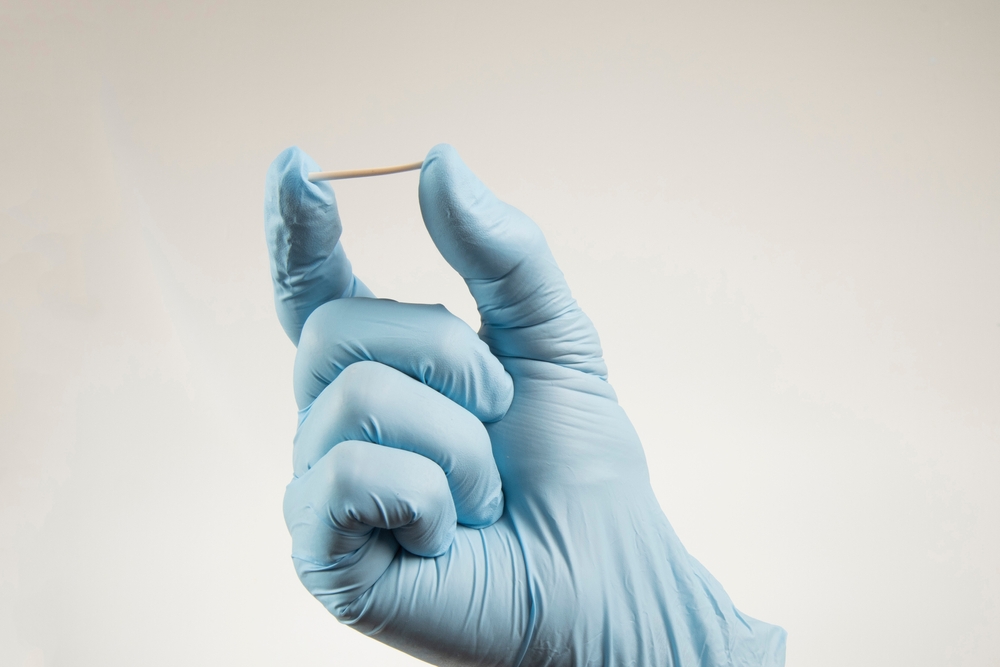
Contraceptive implant—what are the side effects?
Because the implant delivers hormones into the body, the following side effects may occur:
- Irregular bleeding or periods shortly after insertion
- Mood changes
- Headache or dizziness
- Breast pain or tenderness
- Worsening acne or facial melasma
- Vaginal dryness or vaginitis
- Weight gain in some users
- Soreness at the insertion site
These symptoms usually improve gradually and may resolve on their own. If you experience persistent or severe symptoms that affect daily life, consult a doctor for evaluation promptly.
How long does an implant last, and how often should it be replaced?
A contraceptive implant is effective for 3–5 years, depending on the formulation. After 3–5 years, efficacy declines. For continuous contraception, see your doctor to remove the old rod and insert a new one.
Self-care after a contraceptive implant
- You may remove the pressure bandage after 24 hours, but keep the small adhesive dressing in place
- After 3–5 days, you can remove the adhesive dressing; avoid getting the site wet until then
- Avoid sexual intercourse or use condoms for 7 days
- Your doctor will schedule a follow-up at 7 days to check the wound and your symptoms
Pros and cons of contraceptive implants—summary
Pros of contraceptive implants
- Highly effective temporary contraception with a failure rate as low as 0.1%
- More convenient than cycle tracking, pills, or injections
- Provides 3–5 years of pregnancy prevention
- Does not interfere with sexual activity
Cons of contraceptive implants
- Early side effects may cause discomfort
- Cannot be removed on your own; removal must be done by a doctor
- Does not protect against sexually transmitted infections
If you already have an implant and want to stop contraception—what should you do?
If you wish to stop using the implant or switch to another method, see a doctor to have the rod removed at any time. Your body will gradually return to baseline; ovulation typically resumes within about 3 weeks, and you can become pregnant.
Consult about contraception with an obstetrician-gynecologist at the Obstetrics & Gynecology Department, Synphaet Ramintra Hospital.
Book online or ask for more information at 1535