





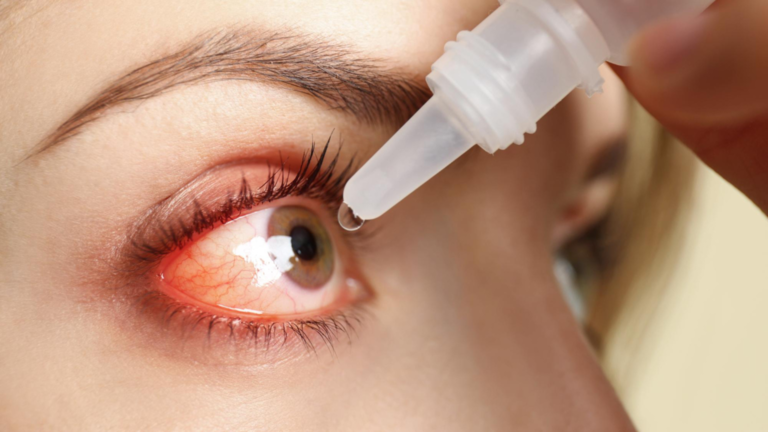
Anti-inflammatory eye drops are used for the treatment of red eyes. They should be taken under the guidance of a doctor to achieve the best results and to minimize the risk of potential side effects.
Anti-inflammatory Eye Drops: Relieve Red, Itchy, Infected Eyes
Anti-inflammatory eye drops are medications that help treat eye inflammation and irritation—common eye problems that can affect quality of life. People may feel discomfort, dryness, itching, or burning. Among various treatment options, eye drops can soothe irritation and help prevent inflammation from worsening and progressing to serious complications.
Today, Synphaet Hospital takes a deeper look at anti-inflammatory eye drops—including types of eye drops, the correct way to use them, precautions, and key facts about eye inflammation—so those with symptoms can care for their eyes correctly and safely.

What are anti-inflammatory eye drops?
Anti-inflammatory eye drops are medicines used to treat inflammation of the eyes caused by infection, allergy, or irritation from factors such as dirt and dust. These can lead to red, swollen, itchy, or watery eyes. Each course of treatment should be guided by a doctor to achieve the best results and to prevent risks and complications from improper use.
Types of anti-inflammatory eye drops
The main types of anti-inflammatory eye drops include:
Antibiotic eye drops
Antibiotic eye drops are used when infection is present. They inhibit the growth of bacteria in the eyes and help treat conditions such as bacterial conjunctivitis, eye inflammation due to infection, and styes.
Steroid eye drops
Steroid eye drops reduce eye inflammation caused by non-bacterial triggers, such as corneal inflammation or post-operative inflammation. These should be used with caution: continuous use for more than 7 days may cause side effects including glaucoma or corneal thinning, which can make infections more likely.
Anti-allergy eye drops
Anti-allergy eye drops are used to relieve allergy-related symptoms caused by triggers such as dust, pollen, and other irritants. They help decrease irritation that causes itching, redness, and swelling. For severe allergy symptoms, a doctor may prescribe steroid eye drops or oral medication.
Causes of eye inflammation
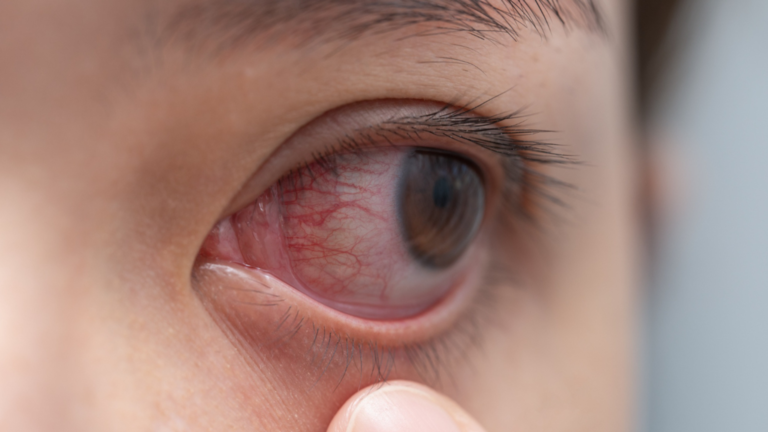
Eye inflammation or redness often involves inflammation of the conjunctiva, turning the white of the eye red and sometimes causing itchiness and tearing. Major causes include:
Bacterial infection
Bacterial infections—such as Streptococcus pneumoniae and Staphylococcus aureus—often cause excessive discharge. Inflammation may progress to pus formation.
Viral infection
Viral infections—such as enterovirus, herpesvirus, and coxsackievirus—are contagious through close contact. Besides eye inflammation, patients often have high fever, sore throat, and shortness of breath.
Allergic reactions
Common in people with allergies. Contact with allergens that trigger the body’s immune response—such as pollen or dust—can easily cause eye inflammation.
Irritation
Irritation may result from foreign matter in the eye (e.g., dust), chemicals from cosmetics, or improper contact lens use. This type is not contagious.
Which eye inflammation symptoms call for eye drops?
Whether eye drops are needed depends on the underlying cause. Doctors determine the appropriate medication—for example, steroid drops for non-infectious inflammation, or antihistamine-containing drops for allergy relief.
How to use anti-inflammatory eye drops correctly
Use anti-inflammatory eye drops with these steps:
- Wash your hands thoroughly before instilling drops.
- Lie on your back or tilt your head slightly. Use one hand to gently pull the lower eyelid down and hold the bottle with the other hand.
- Instill 1–2 drops into the eye, avoiding contact between the bottle tip and the eye.
- Close your eyes for 1–3 minutes and gently press the inner corner of the eye to help the medication act where needed.
Precautions when using eye drops
Keep in mind the following:
- Use the dose exactly as directed by your doctor or as stated in the patient leaflet to prevent side effects or complications.
- Before each use, check the expiration date and how long the bottle has been open, as some eye drops have limited shelf life after opening.
- If unusual symptoms occur—such as burning, pain, swelling, excessive tearing, or changes in eye appearance including worsening redness—stop using the drops and see a doctor promptly, as these may indicate an allergic reaction.

Anti-inflammatory Eye Drops: FAQs
How often should I use anti-inflammatory eye drops?
Frequency depends on the doctor’s instructions and the severity of inflammation. Generally, patients may be advised to use drops 3–4 times daily, 1–2 drops each time, as appropriate.
Are there any precautions when using anti-inflammatory eye drops?
Follow your doctor’s advice or the patient leaflet to avoid complications from improper use.
What if symptoms don’t improve after using eye drops?
If symptoms persist, visit a hospital to see an eye specialist for diagnosis and appropriate treatment.