





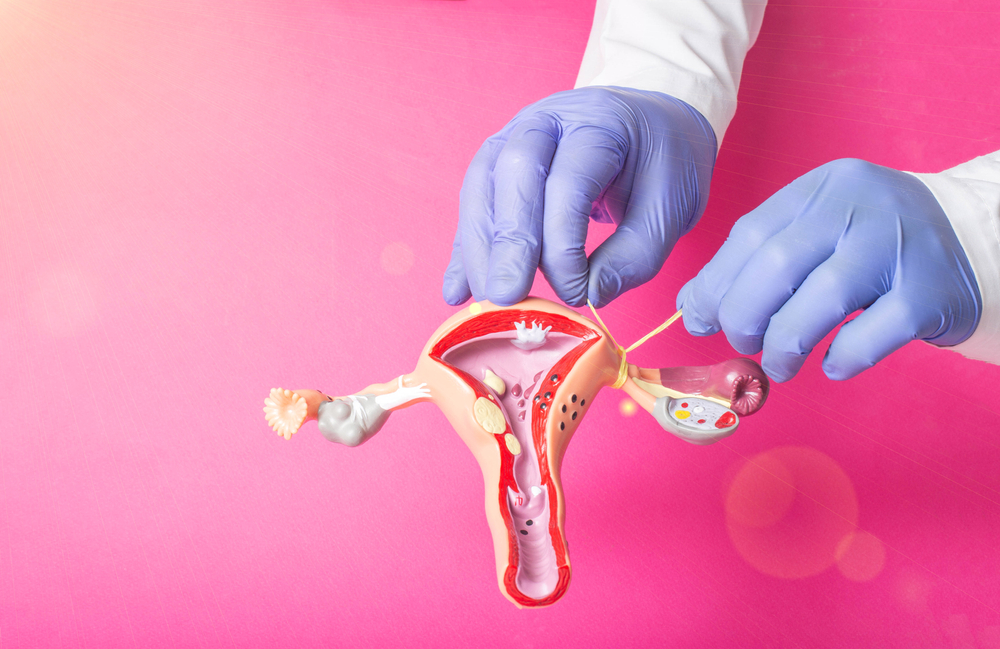
Understanding female sterilization, a highly effective method of contraception for women. It is divided into two types: dry sterilization and wet sterilization, along with guidance on proper self-care after the procedure.
Sterilization is a highly effective method of contraception that can be performed on both men and women. It is cost-effective, safe, and does not adversely affect either partner’s body. If you are planning to undergo sterilization and want to learn more about female sterilization, this article provides additional details.
What is female sterilization?
Female sterilization is a highly effective contraceptive method that can prevent pregnancy by up to 99% and is one of the most popular options. The doctor will tie, ligate, clip, or remove part of the fallopian tubes so they become blocked, preventing sperm from reaching and fertilizing the egg and thereby preventing pregnancy. Before deciding on sterilization, partners should consult and plan together to avoid future effects on family life. Prior to the procedure, the doctor will also confirm that you are not currently pregnant.
Who is a good candidate for female sterilization
- Those seeking permanent contraception
- Those with health conditions that could make pregnancy harmful
- Those who do not wish to have children due to the risk of inheritable genetic disorders
How many types of female sterilization are there?
Currently, female sterilization falls into two main categories: “wet” sterilization and “dry” sterilization. Each has key details to know, as follows:
1. Wet sterilization
Wet sterilization, or postpartum sterilization, is performed after childbirth—within 24–48 hours, and no later than 7 days postpartum. Advantages include convenience and minimal recovery time. After delivery, the uterus is enlarged and positioned above the pelvis, making it easier for the doctor to locate and ligate the fallopian tubes. The incision for this method is made below the navel and is only about 2–5 centimeters long. If delivery is by cesarean section, sterilization can be performed immediately after the C-section.
2. Dry sterilization
Dry sterilization, or interval sterilization, can be performed at any chosen time. It is commonly scheduled after a menstrual period to ensure you are not pregnant. In this case, the uterus is in its usual pelvic position, so accessing the fallopian tubes is more challenging than with postpartum sterilization. The doctor will make an incision above the pubic bone to ligate and cut the fallopian tubes. The operation takes about 30 minutes and requires general anesthesia.
Regardless of the method, always inform your doctor about any chronic conditions and any medications or supplements you regularly take. This helps plan appropriate care and prevents complications.

Female sterilization and Pros–Cons to know
If you are still unsure about undergoing sterilization, the following pros and cons may help you decide.
Pros of female sterilization
- Highly effective contraception—up to 99%
- No physical or mood-related side effects like those associated with hormonal contraception
- Does not affect sexual activity
- Does not affect breastfeeding
- If you later wish to conceive, reversal surgery or assisted reproductive technologies can help, such as IVF or ICSI
Cons of female sterilization
- Possible side effects or complications during surgery, as well as anesthesia-related effects such as nausea and fatigue
- No method is 100% effective; failure (recanalization) can occur, leading to fertilization and a risk of ectopic pregnancy
- Scar tissue may form where the tubes were cut and ligated, which can cause pelvic discomfort
How to care for yourself after female sterilization
Whether you undergo wet or dry sterilization, postoperative self-care is essential. Follow these simple guidelines:
- Keep the incision dry for 1 week after surgery
- Avoid activities that may impact the incision until fully healed, such as heavy lifting or strenuous exercise
- Abstain from sexual intercourse for at least 7 days after interval (dry) sterilization and 4–6 weeks after postpartum (wet) sterilization
- Monitor for unusual symptoms, such as pelvic pain, missed periods, or bleeding from the incision. If any occur, see a doctor promptly.
For those interested in the C-section with sterilization package or the hospital’s antenatal care and delivery packages at Synphaet Ramintra Hospital, you can request more information and book a consultation for a physical examination.
You can also plan effective treatment by calling 1535.
Care for new mothers and babies is provided by experienced obstetricians and pediatricians, supported by modern medical technology that meets international standards.