





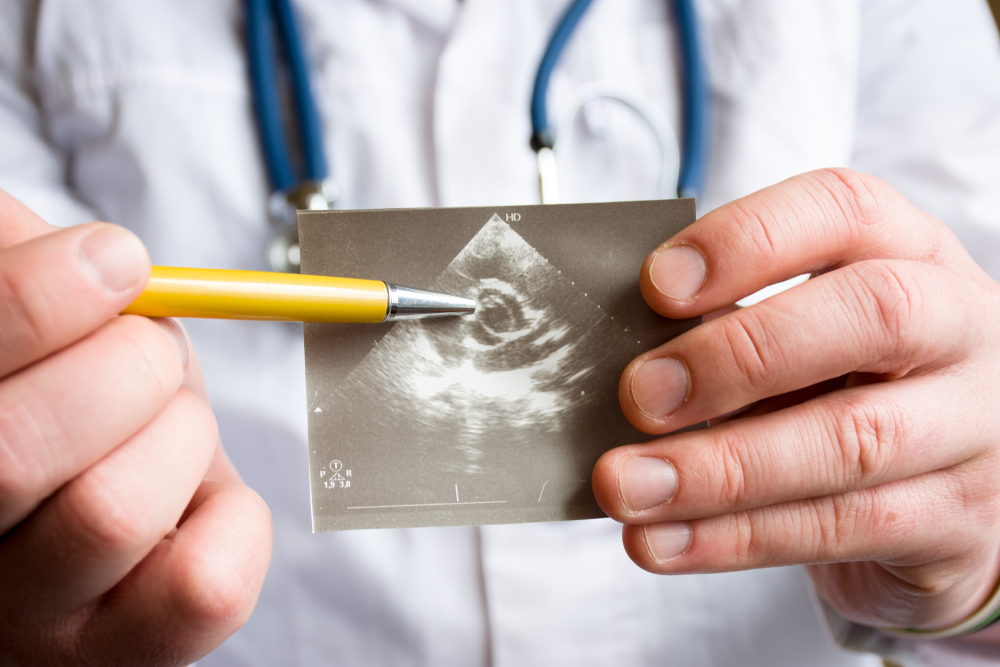
Let’s check the warning signs of heart valve stenosis, a serious disease that can be treated if detected in time. Let’s take a look at what heart valve stenosis is, what symptoms it causes, and what treatment options are available.
Heart Valve Stenosis
Heart valve stenosis is one of the causes that can lead to heart disease—a life-threatening condition. Learn the warning signs of valve stenosis so you can act in time.
What Is Heart Valve Stenosis?
Heart valve stenosis is a condition in which a heart valve malfunctions and cannot fully open and close. This makes it harder for blood to leave the heart chamber, so organs do not receive enough blood. The increased volume and pressure then backflow into the heart chambers and bloodstream, forcing the heart to work harder. If valve dysfunction persists, the risk of heart failure increases.
Symptoms of Heart Valve Stenosis: Warning Signs to Know
- Palpitations, dizziness, near-fainting
- Chest tightness, shortness of breath, difficulty lying flat
- Unusual fatigue even with routine daily activities
- Excessive tiredness after exercise or exertion
- Swelling of the body and legs
Heart valve stenosis is dangerous. Without treatment, it can lead to death. Be vigilant for the warning signs above—especially in older adults—and see a doctor promptly for evaluation if anything seems abnormal.
Risk Factors for Heart Valve Stenosis
- Older age
Valve stenosis is common in older adults due to age-related degeneration. Valves work constantly, opening and closing to let blood pass and withstanding circulation pressure. As valves degenerate, calcium deposits form, the leaflets thicken, and function declines.
- Chronic medical conditions
Chronic illnesses—such as diabetes, hypertension, or high cholesterol—can accelerate valve degeneration and trigger stenosis even at a younger age.
- History of heart infection
A past cardiac infection can impair valve function—for example, infection by Group A Streptococcus or inflammation related to dental infections.
- Congenital heart disease
Some people are born with heart defects and are at higher risk of valve stenosis. Because these abnormalities often arise in the womb, regular health checkups are important to detect and manage any issues early.

Diagnostic Steps and Treatment
Heart valve stenosis requires urgent care because it directly affects the heart. Diagnosis and treatment typically involve the following:
- Medical history and physical examination
- Chest X-ray to look for abnormalities
- Electrocardiogram (ECG) to assess heart rhythm
- Echocardiography to evaluate disease severity
- CT scan to visualize cardiac structures and vessel size
After thorough evaluation, treatment is planned based on severity. If symptoms are mild, doctors may advise lifestyle changes to maintain heart health and schedule regular follow-ups. For severe cases, surgery may be recommended using one of two approaches:
- Valve repair: When the valve leaks or tears, surgical repair is often the best option to restore normal function.
- Valve replacement: If the valve is too damaged to repair, a prosthetic valve may be implanted. The new valve can last 10–15 years. After surgery, patients can usually return to normal activities with strict health habits, a nutritious diet, and regular checkups.
If you experience palpitations, don’t wait—consult the Heart Center at Synphaet Ramintra Hospital. We provide comprehensive cardiac evaluation, from checkups and diagnosis to treatment, surgery, and rehabilitation to help your heart work efficiently again.
Book online or get more advice at 1535