





Syphilis
Syphilis is a sexually transmitted disease caused by the bacterium Treponema pallidum. It is highly contagious and can affect multiple systems in the body. Without proper treatment, it may lead to severe complications such as brain, heart, and blood vessel damage.
Causes of Syphilis
- Unprotected sexual intercourse
- Contact with sores or rashes of an infected person
- Mother-to-child transmission during pregnancy or childbirth
- Blood transfusion from an infected donor (extremely rare)
Syphilis is not transmitted through shared toilets, handshakes, or shared utensils.
Symptoms and Diagnosis of Syphilis
Stage 1 – Chancre
- Painless sore, usually found on the genitals, mouth, or anus
- Heals on its own within 3–6 weeks, but the infection remains
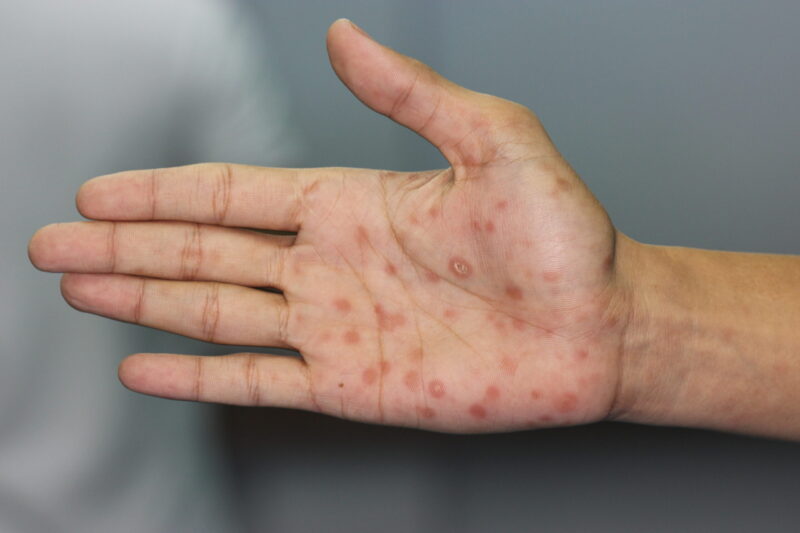
Stage 2 – Rash and General Symptoms
- Rash on the body, palms, or soles
- May include fever, swollen lymph nodes, and hair loss
Latent Stage – No Symptoms
- The bacteria remain in the body without symptoms
- Can last for many years
Stage 3 – Severe Complications
- Damage to internal organs such as the brain, heart, eyes, or bones
- May result in disability or death
Syphilis Testing and Diagnosis
- Initial blood tests such as VDRL or RPR
- Confirmatory tests like TPHA or FTA-ABS
- All pregnant women should undergo screening to prevent mother-to-child transmission
Treatment of Syphilis
- Intramuscular injection of Benzathine Penicillin G
- Alternative antibiotics will be used for those allergic to penicillin
- Follow-up blood tests are recommended after treatment
Prevention of Syphilis Infection
- Use condoms every time during sexual intercourse
- Avoid having multiple sexual partners
- Get regular health check-ups, especially for those with high-risk behaviors
- Pregnant women should attend prenatal care and get blood tests as scheduled
References
Department of Disease Control, Ministry of Public Health: ddc.moph.go.th
PPTV Online: pptvhd36.com