





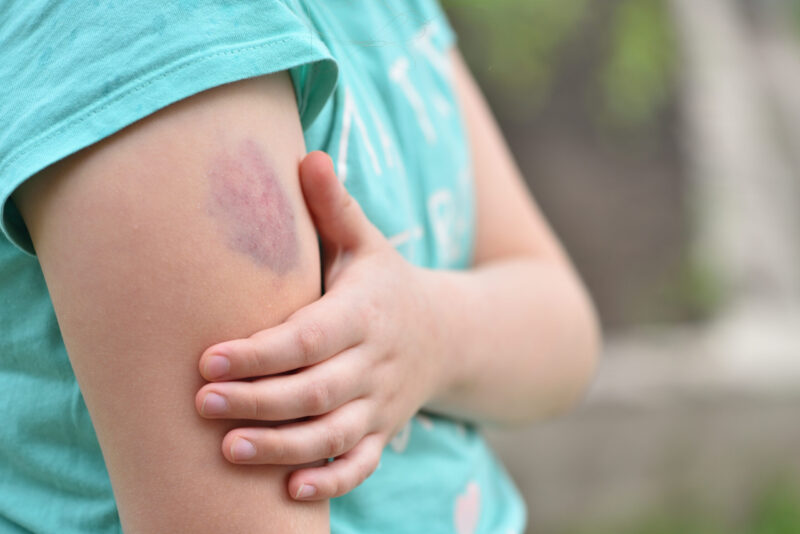
Pale and Easily Bruised Kids? Immediate Check Recommended. Don’t Overlook Blood Disorders!
Symptoms like “pale skin and easy bruising” in children may not just stem from rough play or minor accidents they can be red flags for anemia or blood disorders that parents must take seriously. Left untreated, these issues can impact development, growth, and overall health.
Key Symptoms to Watch
- Pale skin, lips, or lower eyelids
- Yellowing of skin or eyes, or unusual bruising
- Fatigue or low energy levels
- Dizziness, fainting, or rapid heartbeat
- Short attention span, drowsiness, or lethargy
Common Pediatric Blood Disorders
- Anemia: Includes several types, such as iron‑deficiency anemia or thalassemia, a genetic disorder affecting red blood cells.
- Acute Lymphoblastic Leukemia (ALL): A common childhood cancer where abnormal white blood cell production interferes with other blood cells.
- Thrombocytopenia: A condition marked by low platelet counts, causing easy and prolonged bleeding.
Causes of Childhood Anemia
-
Iron Deficiency
- Most common in children aged 6 months to 5 years
- Occurs due to insufficient dietary iron intake
-
Genetic Conditions
- e.g., thalassemia, G6PD deficiency
-
Immune Disorders
- e.g., autoimmune hemolytic anemia (SLE causes red blood cell destruction)
-
Chronic Blood Loss
- e.g., internal parasites or bleeding in the stomach
What Happens If Left Untreated?
- Weak immune system and delayed growth
- Underdeveloped brain function
- Risk of heart failure in severe cases
- Reduced learning ability
Prevention Tips
- Introduce iron-rich foods after 6 months
- Ensure a balanced diet and limit cow’s milk to 2 cups/day
- Include vitamin C to aid iron absorption
- Schedule regular pediatric check-ups
Parents should monitor symptoms closely. If any warning signs appear, take your child to a pediatrician for blood tests or bone marrow analysis to diagnose the cause and plan appropriate treatment.
References