




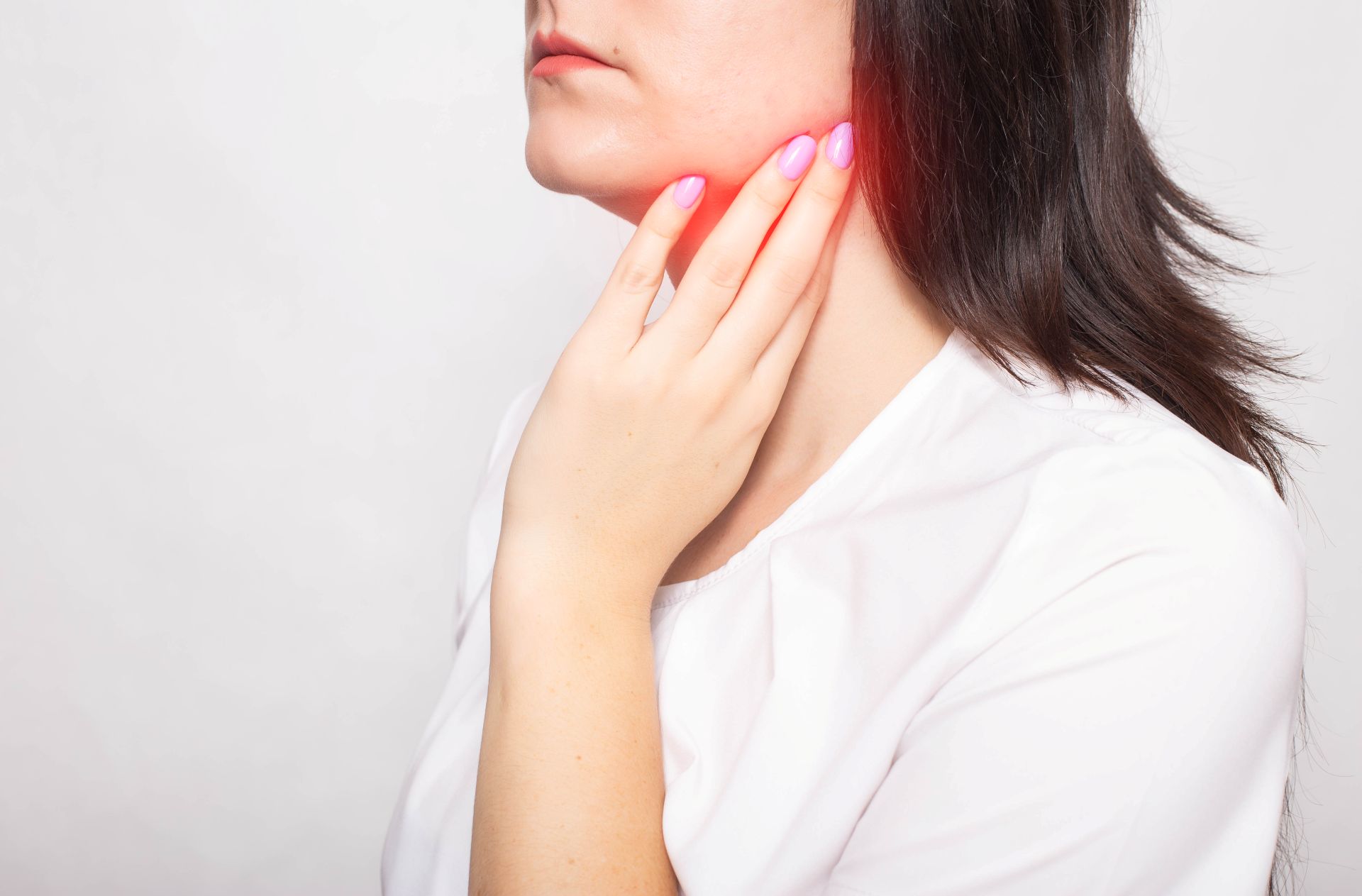
Parotitis is a condition characterized by inflammation of the parotid gland, the largest salivary gland in the body. It is located in front of and below both ears. This gland produces saliva to aid digestion and protect the oral cavity from infection.
What causes parotitis?
Parotitis can be caused by several main factors:
- Viral infections The most common virus is mumps, often found in children or individuals who have not been vaccinated. Other viruses include Influenza virus, EBV, CMV, Parainfluenza, and HIV.
- Bacterial infections Common bacteria include Staphylococcus aureus and Streptococcus spp. This is more common in the elderly, immunocompromised individuals, those with dehydration, or poor oral hygiene.
- Salivary gland stones These can block the salivary ducts, leading to saliva accumulation, inflammation, and secondary infection.
- Autoimmune diseases Such as Sjögren’s syndrome, where the immune system attacks the salivary glands. It is commonly found in middle-aged women.
- Other causes Including radiation therapy to the face, side effects from certain medications, or facial surgery.
What are the symptoms of parotitis?
- Swelling in front of the ear or under the jaw, which may occur on one or both sides
- Pain in the salivary gland, especially while chewing; difficulty chewing or opening the mouth
- Dry mouth, reduced saliva, abnormal taste sensation
- Fever, chills, fatigue
In bacterial infections, symptoms often include redness, warmth, significant tenderness, and possible pus discharge from the salivary duct opening inside the cheek.
How is parotitis diagnosed?
- Medical history and physical examination: Assess swelling, tenderness, and saliva characteristics
- Laboratory tests: Blood tests for inflammation, viral or bacterial detection, culture of pus or saliva, and antibody tests for autoimmune diseases
- Imaging studies: Ultrasound to detect inflammation, abscess, or stones; CT scan or MRI for complex cases
How is parotitis treated?
Treatment depends on the underlying cause:
1. Viral infection
- Symptomatic treatment such as pain relievers and fever reducers; no specific antiviral medication
- Drink plenty of fluids
- Warm compress to relieve symptoms
2. Bacterial infection
- Antibiotics; severe cases or abscess may require intravenous antibiotics
- Surgical drainage if abscess is present
- Drink plenty of fluids
- Warm compress to relieve symptoms
3. Autoimmune-related causes
- Artificial tears and saliva substitutes
- Medications to stimulate saliva production
- Immunosuppressive therapy as needed
4. Obstructive causes (salivary stones)
- Small stones: stimulate saliva flow and massage the gland
- Large stones: endoscopic removal or surgery
How can parotitis be prevented?
- Receive mumps vaccination
- Maintain good oral hygiene by brushing and rinsing regularly
- Stay well-hydrated and avoid dehydration
Parotitis can occur at any age and has multiple causes, ranging from viral and bacterial infections to autoimmune diseases. Accurate and timely diagnosis is essential to ensure appropriate treatment and prevent potentially serious complications.