




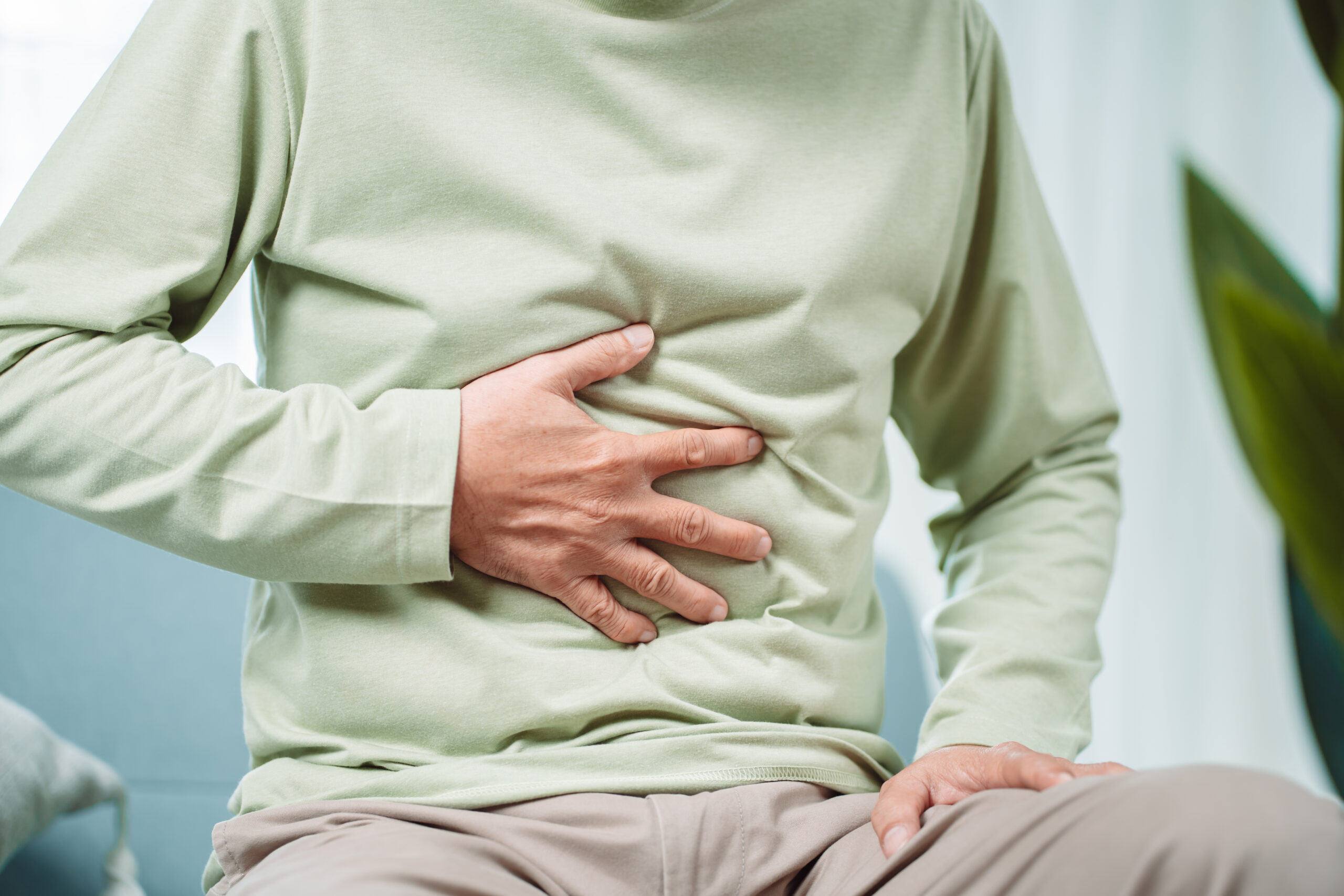
Irritable Bowel Syndrome (IBS) is a condition caused by abnormal bowel function, leading to abdominal pain along with chronic, recurring constipation or diarrhea. It is a common disorder, especially among middle-aged women. Although IBS is not a serious disease and does not develop into cancer in the future, its chronic symptoms may cause anxiety for patients and significantly affect their daily lives.
Treatment for Irritable Bowel Syndrome (IBS)
What causes IBS?
The exact cause of IBS is not fully known. It may involve abnormal intestinal motility together with a heightened sensitivity of the gut’s pain nerves. Triggers can include:
- Stress and anxiety
- Certain foods, such as high-fat foods, milk, and dairy products
- Gastrointestinal infections
- Hormonal changes
What are the symptoms of IBS?
- Abdominal pain—often cramping around the navel or lower abdomen—that typically improves after a bowel movement
- Bloating, abdominal fullness, and excess gas
- Constipation, diarrhea, or alternating constipation and diarrhea; stool form may change from hard pellets to loose or watery
- Difficulty passing stool or poor bowel control; frequent urges with a sensation of incomplete evacuation
How is IBS diagnosed?
Because IBS does not cause structural disease in the digestive tract, diagnosis requires excluding other conditions with similar symptoms—such as colorectal cancer, peptic disease, or chronic inflammatory bowel disease. Doctors take a detailed history and perform a physical exam, and may order additional tests such as blood tests, stool tests, abdominal X-ray, or endoscopy.
How is IBS treated?
There is currently no cure that eliminates IBS completely. Treatment focuses on relieving symptoms.
- Lifestyle changes: get adequate rest, exercise regularly, reduce stress, and avoid alcohol and smoking
- Dietary management: avoid high-fat foods, milk and dairy products, poorly digestible carbohydrates, various beans/legumes, pickled/fermented foods, coffee, and carbonated drinks; choose high-fiber foods, drink enough clean water, and eat on a regular schedule
- Medications for symptom relief: antispasmodics for cramping, low-dose antidepressants, laxatives for constipation, and antidiarrheals for diarrhea, as appropriate
Abdominal pain can be a warning sign you shouldn’t ignore. Visit the Abdominal Pain Center at Synphaet Ramintra Hospital.