






Recommended foods for each trimester of pregnancy to support maternal health and nourish the baby, with essential nutrients and helpful advice from experts.
Expectant mothers who want to keep themselves and their babies strong and healthy so delivery is safe—use this checklist of pregnancy foods for each trimester in this article.
Pregnancy foods for the 1st trimester (1–3 months)
The first trimester (1–3 months) carries a relatively higher risk of miscarriage because the embryo is developing and implanting in the uterine lining. Extra care is crucial. Key nutrients needed during this period include:
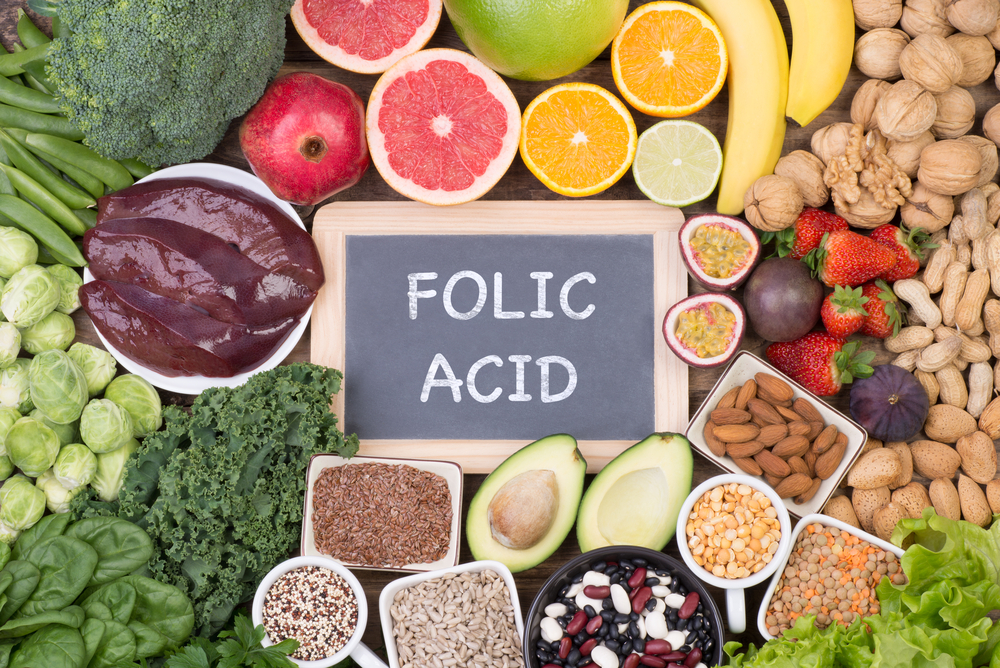
- Folate (vitamin B9): vital for amino acid synthesis, cell division, red and white blood cell formation, and fetal brain development. Rich sources include leafy greens such as spinach, Swiss chard, kale, and broccoli. First-trimester mothers should aim for 800 micrograms per day.
- Iron: essential for circulation and efficient oxygen transport from mother to baby, supporting brain development. Food sources include egg yolks, liver, leafy greens, and pork.
- Protein: builds your baby’s muscles and organs. Aim for at least 75–110 grams per day from eggs, milk, legumes, and meats.
Besides these nutrients, eating fruit throughout pregnancy—including months 1–3—helps prevent constipation and improves comfort. Suitable choices include coconut, apples, guava, bananas, oranges, and prunes.
1st-trimester development: implantation and organ formation
After fertilization, the embryo implants in the uterine wall. Many women feel fatigued, urinate more often, experience nausea, and have mood swings; light vaginal spotting may occur. By month 2, arms, legs, eyes, and fingers begin to form; by month 3 most organs are present and limb movements begin.
Pregnancy foods for the 2nd trimester (4–6 months)
During this trimester, the uterus enlarges as the baby grows, and symptoms become more noticeable—weight gain, breast enlargement to prepare for breastfeeding, leg cramps, dizziness, and vaginal discharge. Recommended foods include:
- Calcium: at least 1,000 mg daily. Calcium supports both mother’s bones/teeth and baby’s skeletal growth. Choose cow’s milk, small fish with bones, and leafy greens to help prevent osteoporosis.
- Lactose: a natural sugar in cow’s and goat’s milk and other animal milks; it supplies energy, enhances calcium absorption, and supports digestion to reduce constipation.
- Phosphorus: important for fetal bone formation and maternal bone health, and it supports kidney, heart, and muscle function.
2nd-trimester development: active brain and working digestion
Growth accelerates. Fine body hair and scalp hair appear for warmth; nails and fingerprints develop. Lungs complete their structure, the brain starts simple control—blinking and heart rate regulation—and the digestive system matures enough to function.
Pregnancy foods for the 3rd trimester (7–9 months)
In the final trimester, mothers often feel more discomfort as the baby rapidly gains weight to around 2–3 kilograms, causing shortness of breath and fatigue, with increased risks such as gestational diabetes or hypertension. Continue key nutrients—folate, protein, calcium, and iron—and add:
- Zinc: supports fetal brain cell development, boosts maternal immunity, and lowers preterm birth risk. Target 11 mg/day from chicken, pork, seafood, brown rice, potatoes, legumes, and tomatoes.
- Iodine: crucial for fetal nervous system development and for preventing maternal hypothyroidism and certain birth defects. Pregnant women need at least 250 micrograms/day from sea fish, seaweed, and shrimp.
- Selenium: supports immunity and normal thyroid function. Common sources include tuna, brown rice, whole grains, cucumber, garlic, and organ meats.
- Galactagogues to support milk production for breastfeeding readiness, such as banana blossom, ginger, holy basil leaves, pumpkin, and Chinese chives.
Final-trimester development: strong and ready for birth
As delivery approaches, the baby grows quickly; bones strengthen, the brain matures, nerves function fully, and the baby can sense taste, light, sound, and pain. Movement increases and the baby turns head-down for birth. Safe delivery is typically possible from 37–42 weeks.
If you’re planning a pregnancy or newly pregnant, along with good nutrition, prioritize early antenatal care with an obstetrician-gynecologist to protect both mother and baby. Choose a maternity center with close specialist care and modern, internationally standardized technology—Synphaet Ramintra Hospital’s Obstetrics & Gynecology Department provides 24-hour service.
For more information or to make an appointment, call 1535.