





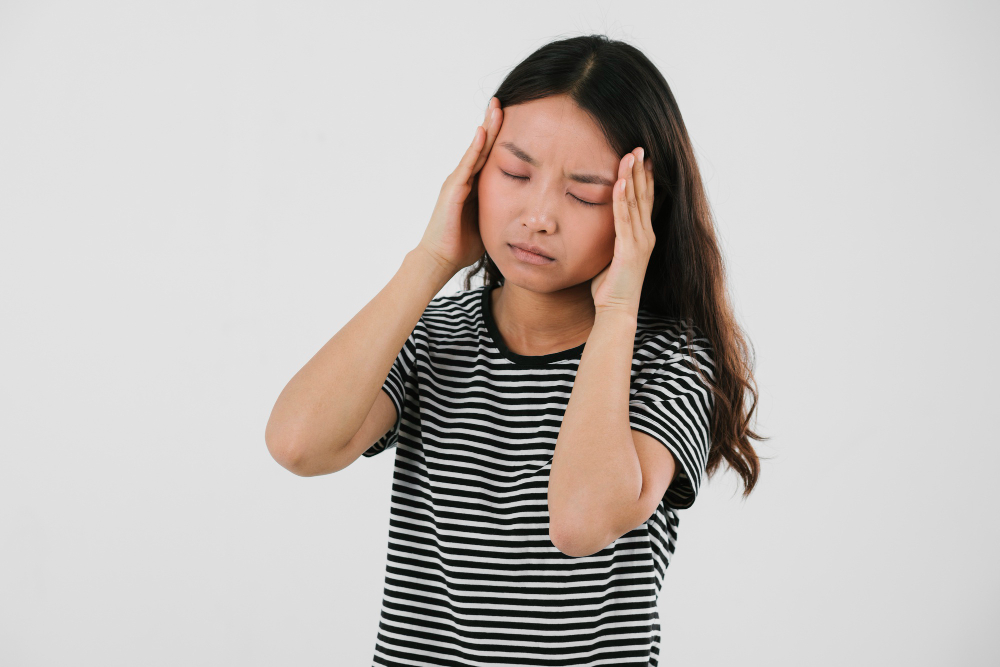
A health issue that many people have likely experienced is headaches, which can arise from various causes such as an unsuitable environment, weather conditions, stress, or hormonal changes in the body.
What Causes Headaches? Symptoms, Causes, and Treatments
Headaches are a common health issue many people experience in daily life. They can be triggered by multiple factors such as stress, lack of sleep, or even unsuitable environments. Pain intensity varies—from a mild ache to debilitating pain that affects work and daily activities. Although headaches may seem routine and are not always serious, frequent or progressively severe headaches, or new concerning symptoms, can signal an underlying health problem. Today, Synphaet Hospital will walk you through key headache types and ways to relieve them, plus how to spot warning signs that mean you should seek a thorough medical evaluation and diagnosis.

Headache Types You Should Know
A headache is pain that can occur in any part of the head. Headaches come in various forms and can be classified by their causes and symptom patterns as follows:
Migraine
Migraine is pain linked to changes in brain chemicals and can be triggered by bright light, loud noise, heat, or certain smells/chemicals. Pain is typically throbbing in time with the pulse, often on one temple. Dizziness, nausea, and vomiting may occur. Episodes usually last about 4–7 hours.
Tension Headache
Tension headache often stems from anxiety, insufficient rest, or heavy visual strain. It may feel like a tight band around the head or pain radiating from the temples to the back of the head. It commonly arises in the afternoon after work and can last from 30 minutes to several hours.
Sinus Headache
Sinus headache is commonly associated with infection of the paranasal sinuses. Pain feels heavy over the sinus areas—forehead, eye sockets, and nasal bridge—and can spread to the cheekbones. Bending over can worsen symptoms. It typically resolves within 2–4 weeks in line with sinusitis recovery.
Cluster Headache
Cluster headache is related to autonomic nervous system dysfunction. It causes severe, stabbing pain around one temple or behind one eye, sometimes with tearing, ear fullness, nasal congestion, and eye redness. Attacks may occur 1–3 times per day and last from 15 minutes up to 3 hours.
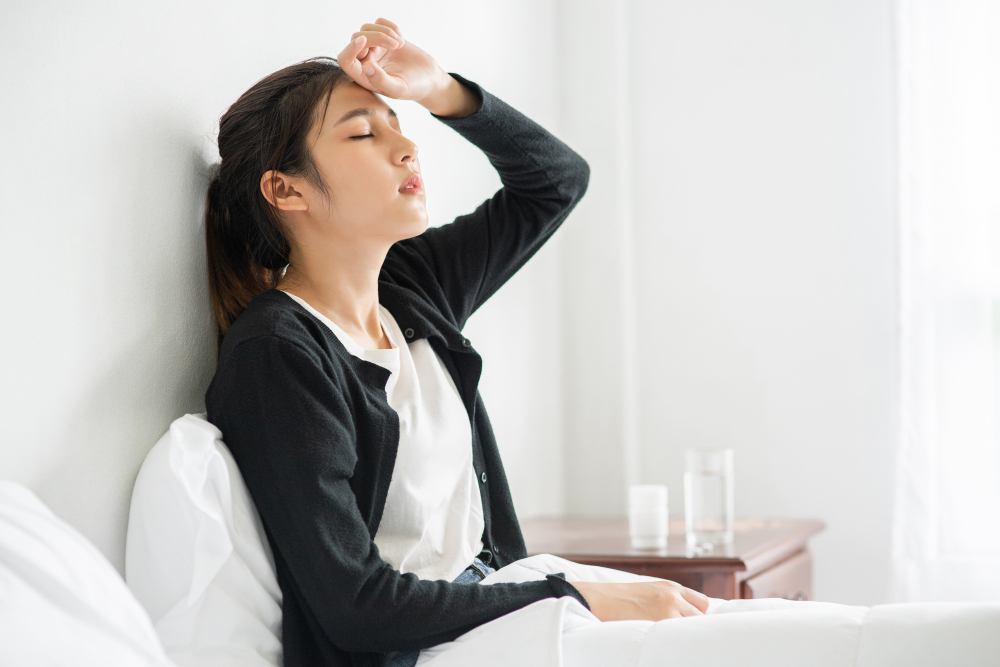
Most Common Headache Causes
Frequently seen headache triggers include:
- Insufficient rest or sleep deprivation can disrupt certain hormone levels and eventually lead to headaches.
- Stress and anxiety may cause head pain that spreads to both temples, the neck, and shoulder area.
- Weather—especially excessive heat—can trigger chemical changes in the brain that produce headaches.
- Intense visual strain—common in those who work long hours on computer or smartphone screens—can cause dizziness and eye socket pain.
Effective Ways to Relieve Headaches
You can relieve headaches effectively with the following approaches:
Non-drug First Aid for Headaches
Start with lifestyle adjustments: get adequate sleep, exercise to improve muscle flexibility, and take regular eye breaks during work.
Using Painkillers Safely
For appropriate use of pain relievers, in general:
- An appropriate single dose is about 10–15 milligrams per kilogram of body weight.
- Dosing intervals are typically every 4–6 hours. Do not exceed 4,000 milligrams per day, or more than 8 tablets per day, to avoid liver or kidney injury.
- If side effects occur—such as a rash or chest tightness—stop the medication and seek medical attention promptly, as these may indicate a drug allergy.
Foods and Drinks that May Help
Some options can help relieve headaches—for example, warm ginger tea to relax the body; tart fruit juices to boost alertness; or dishes containing spinach to support circulation and reduce dizziness.
Exercises and Relaxation Techniques
Choose activities you enjoy for at least 30 minutes daily to improve muscle flexibility—such as brisk treadmill walks, aerobics, swimming, or yoga.
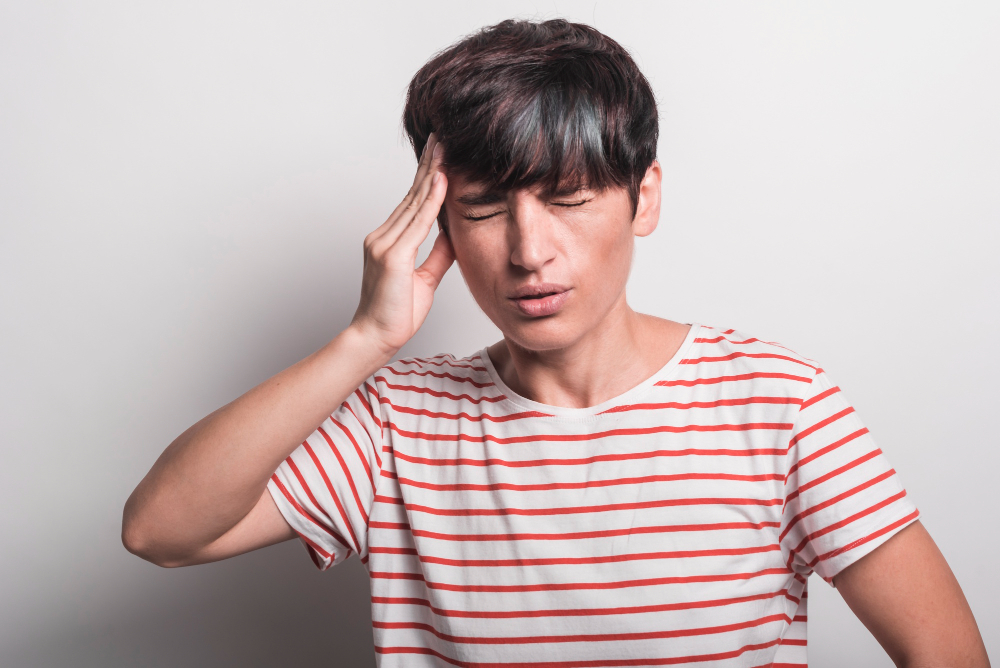
When Should You See a Doctor for Headaches?
Seek medical care if headaches occur frequently, become increasingly severe, require daily painkillers to subside, arise suddenly with extreme intensity, or are accompanied by other symptoms such as fever, limb weakness, or confusion.
Preventing Frequent Headache Recurrence
To prevent frequent recurrences, reduce overall stress with relaxing activities you enjoy, and follow a healthy diet. Avoid harmful habits such as heavy alcohol intake or smoking.
Frequently Asked Questions About Headaches
Which headaches are dangerous, and when should I see a doctor?
Dangerous patterns include chronic or sudden-onset severe headaches that feel progressively worse each time, sometimes with fatigue, fever, nausea, or dizziness. If you experience these, seek prompt medical evaluation for timely diagnosis and treatment.
How can I relieve stress-related headaches?
Besides painkillers, prioritize sufficient rest, calming your mind, and doing enjoyable activities to relax—such as watching a favorite movie, playing with pets, or meeting friends.
How can I improve headaches from lack of sleep?
Adjust your sleep duration to about 7–8 hours per night and limit caffeinated drinks that keep you alert and may contribute to insomnia.