





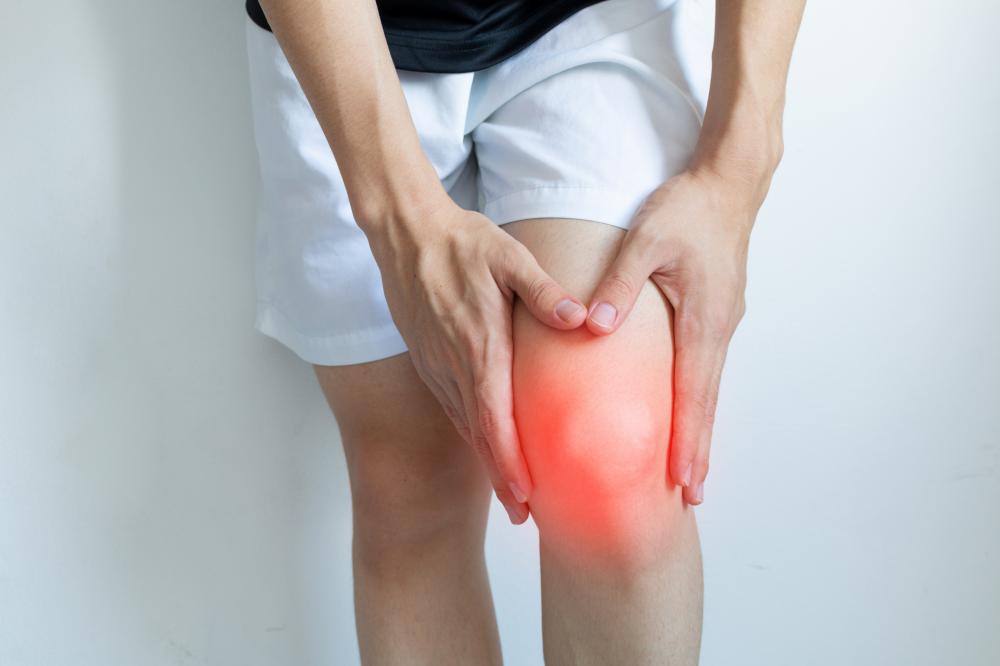
Knee popping or cracking sounds should not be ignored, as they may be a sign of knee osteoarthritis or knee instability. Find out about treatment options in this article.
If you’ve started noticing knee clicking, looseness, or other knee-related issues and worry whether these symptoms could be harmful, this article explains common causes and treatment options you should know.
Primary causes of knee problems
Knee issues—pain, noises, inflammation, swelling, pain when climbing stairs, and more—usually stem from four core causes:
Body weight
As noted above, the knee is crucial for weight bearing during movement. The greater the body weight, the higher the mechanical load on the knee, which can lead to knee pain, stiffness, and inflammation.
Age
It’s normal for the body to degenerate over time. With increasing age, the cartilage within joints thins and the fluid inside the knee also decreases, reducing joint function.
Knee usage
Heavy use of the knees—intense sports, extensive walking, poor posture when sitting, or frequent heavy lifting—can all cause premature knee problems.
Accidents
Some injuries affect not only the skin but also the knee bones. Even after external wounds heal, deeper injuries may persist, causing lingering pain, sensitivity, or chronic knee discomfort.
Why do knees make noise, and how is it treated?
Knee noises are common and can be classified into two types: with pain and without pain. Each has different features:
Knee noises without pain
- Movement of soft tissue or tendons rubbing over cartilage alters intra-articular pressure and creates sound.
- Gas around the knee can coalesce into bubbles within synovial fluid; when bending or flexing, these bubbles collapse and produce popping sounds.
Knee noises with pain
- Osteoarthritis: managed with pain relievers and lifestyle changes—e.g., weight reduction, avoiding aggravating activities, and physical therapy. Severe cases may require surgery.
- Knee infection: often seen in people with diabetes or fragile skin. Symptoms include severe pain, red hot swelling, and limited motion; treatment involves surgical joint washout plus antibiotics.
- Meniscal tear: from injury or sports causing abnormal twisting, leading the bone to pinch and tear the meniscus so the knee can’t fully extend or flex. Use cold compresses, leg elevation, and anti-inflammatory medication; severe cases require surgery.
- Weak quadriceps: causes easy fatigue and reduced muscle mass, forcing the knee to bear more load. Regular strengthening exercise is recommended.
- Knee injury from activities: see a doctor for thorough evaluation and an appropriate treatment plan.
Root causes of a “loose knee” and how to treat it
A “loose knee,” formally called knee instability, is the feeling that the knee is unstable, weak, or wobbly—reducing confidence in movement or weight bearing. The main causes are:
1. Collateral ligament injury
Collateral ligaments stabilize the knee during inward–outward movement. Injuries often result from falls or violent twisting. Mild cases improve with pain medication, cold compresses, physical therapy, and activity modification; severe injuries may need surgery to restore normal motion.
2. Anterior cruciate ligament (ACL) tear
Often due to twisting or jumping. Acute tears cause severe pain, twisting, swelling, and inability to bear weight; chronic tears lead to instability, inability to play sports, and early osteoarthritis. Arthroscopic reconstruction using graft tendons can restore function.
3. Posterior cruciate ligament (PCL) injury
The PCL stabilizes the back of the knee. When torn, the knee feels loose and buckles backward under load. Physical therapy can help; severe cases may require surgery or arthroscopy.
Patellar dislocation—another cause of clicking and instability
Patellar dislocation occurs when the kneecap (a small round bone at the front of the knee) slips out of the femoral groove during flexion or extension. Patients feel pain while walking, muscle guarding, swelling, and crepitus.
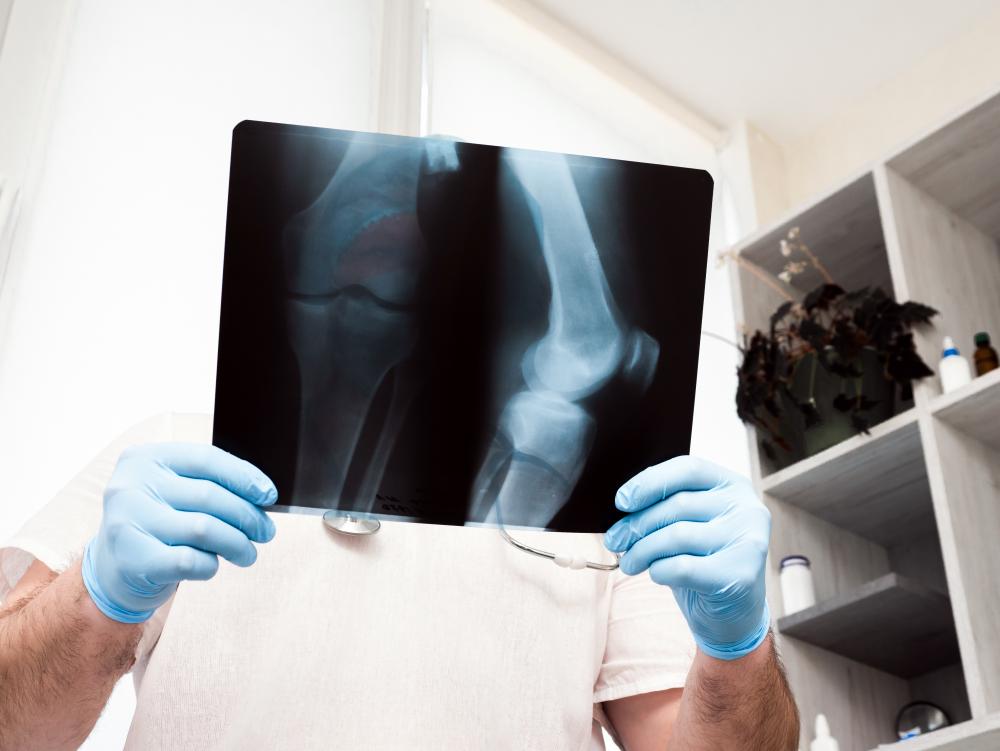
Generally, patellar dislocation is diagnosed by physical exam, but some patients need X-ray and MRI for accuracy. Treatment principles include:
In acute cases, reduce the dislocated patella by guiding it back into place.
Undergo physical therapy after reduction to restore strength and stability.
For severe or recurrent dislocations, surgery may be considered to realign bones or tighten ligaments to prevent recurrence.
If you suspect knee problems—pain, swelling, looseness, or clicking—don’t ignore them, as they can worsen over time. Consult specialists at the Orthopedics Department, Synphaet Ramintra Hospital. We provide evaluation, diagnosis, and treatment 24/7 with modern operating rooms, advanced technology, and international standards. Book online or contact our Call Center at 1535.