





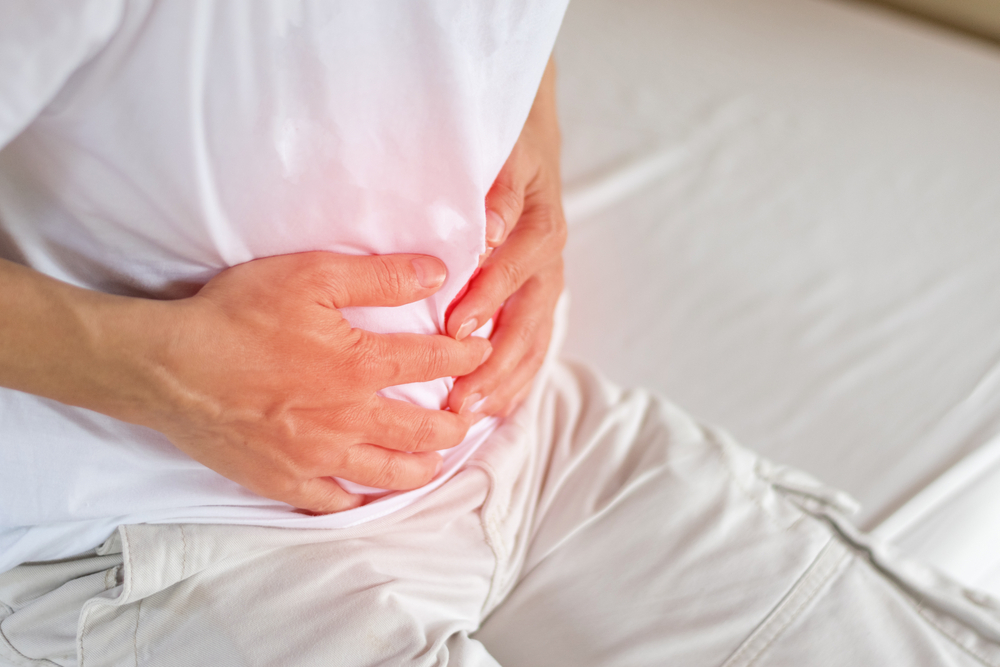
Get to know hernia, a condition that doesn’t occur only in men but can also affect women. Let’s find out what causes a hernia and what treatment options are available.
Hernia
‘Hernia’ is a condition many people have heard of. While it’s often thought to affect only men, women can also develop hernias.
Let’s explore what a hernia is, what symptoms to watch for, and how it can be treated.
What Is a Hernia?
A hernia is a condition in which part of the intestine shifts from its original position to another location. The protruding section remains covered by its membrane and appears as a bulge that is more noticeable when standing or walking but may flatten when lying on your back.
What Are the Symptoms of a Hernia?
- Pain at the affected area
- Bloating, constipation, and inability to pass gas
- Nausea and vomiting
- A visible or palpable bulge
Types of Hernias
Hernias are classified by cause and location. Common types include:
- Inguinal Hernia
This is the most common type. It results from a congenital weakness in the abdominal wall of the groin that often becomes symptomatic in young to middle adulthood.
- Femoral Hernia
Part of the intestine moves through the femoral canal, located just below the groin, forming a noticeable lump.
- Incisional Hernia
After abdominal surgery, muscles and fascia at the incision site can become thinner and lax, allowing bowel to protrude and form a bulge there.
- Umbilical Hernia
Usually present from birth, most commonly in premature infants—often referred to as a “protruding navel.”
- Spigelian Hernia
Occurs with aging as the fascia beside the rectus muscles weakens, letting bowel push out along the abdominal sidewall and form visible lumps.
- Hiatal Hernia
Seen more often in middle-aged and older adults. Laxity of the diaphragm together with increased intra-abdominal pressure allows the stomach to shift upward.
- Obturator Hernia
The intestine passes through an opening in the pelvic bone and protrudes there. This rare type is seen more often in women.
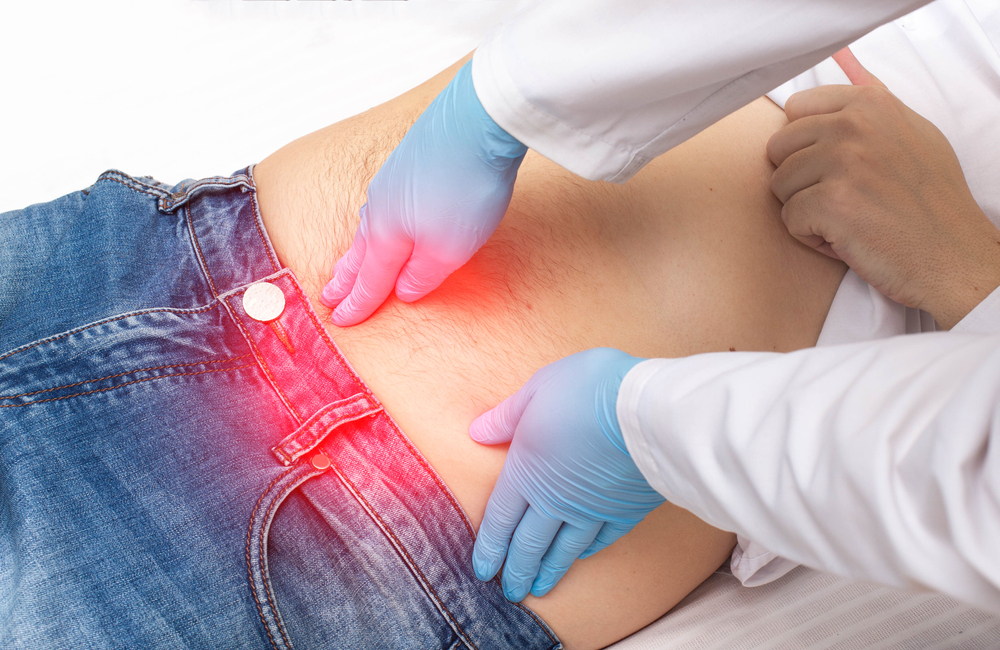
Main Factors That Contribute to Hernias
- Weakness of the abdominal wall
- Previous abdominal surgery that has weakened the wall at the incision
- Chronic cough
- Overweight or obesity
- Lifestyle factors such as heavy lifting or straining during bowel movements
Good to Know: Women Can Get Hernias Too
If you thought hernias happen only in men, think again. Women can also develop certain types due to pelvic anatomy—especially those who frequently lift heavy objects or have had a cesarean section—raising the risk of a hernia.
Treatment for Hernias
Hernias are treated with surgery. The surgeon returns the protruding intestine to its original position and closes the defect to prevent recurrence. Today, minimally invasive laparoscopic techniques use specialized instruments to create smaller incisions, reduce blood loss, speed recovery, shorten hospital stays, and lower the risk of postoperative complications.
With appropriate treatment, most patients recover fully. Consult a physician for diagnosis and a personalized treatment plan at Synphaet Ramintra Hospital—a hospital near Bang Khen—which provides comprehensive care.
Make an online appointment or contact the Call Center at 1535