





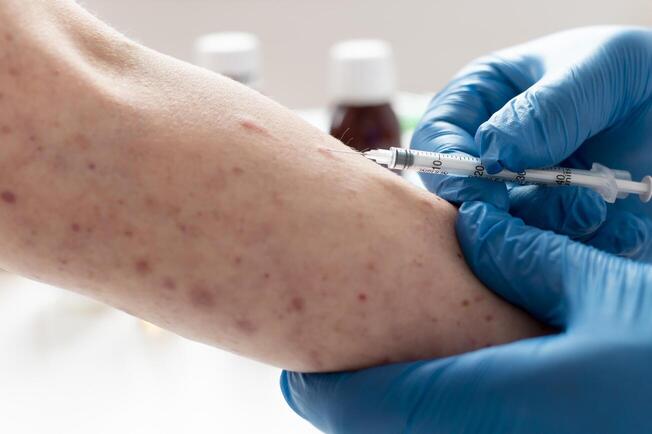
Frequent nosebleeds, bruising, or fatigue? These could be signs of low platelets—a condition linked to serious diseases including leukemia. Learn more and seek early diagnosis.
Low Platelet Count: Don’t Ignore It, It Might Be a Sign of Cancer
If one day you notice unexplained red or purple spots on your body, frequent nosebleeds, or unusually easy bleeding, these symptoms might seem minor at first. However, they could indicate a condition known as “thrombocytopenia” or low platelet count. In some cases, this can be linked to chronic illnesses, including cancer—particularly blood cancers such as leukemia.
In this article, Synphaet Ramindra Hospital will help you understand thrombocytopenia—from the role of platelets in your body, what counts are considered abnormal, causes, symptoms to watch for, self-care tips, and how to prevent complications. Early awareness can save lives.
What Is Thrombocytopenia?
Platelets are blood components produced in the bone marrow that play a vital role in blood clotting. If the number of platelets drops too low, your body struggles to stop bleeding, even from minor injuries. This can lead to internal bleeding and, in severe cases, life-threatening complications.
What’s Considered a Normal Platelet Count?
Normal platelet counts range from 150,000–450,000 per microliter of blood. If the count falls below this range, it is considered thrombocytopenia. When levels drop below 50,000 or even 20,000, the risk of serious complications such as bleeding in the brain, eyes, or digestive system increases.
What Are the Symptoms of Low Platelets?
Some individuals may have no symptoms, but severely low platelet counts can lead to signs such as:
- Red-purple bruises or pinpoint spots under the skin (Petechiae)
- Unusual bleeding: frequent nosebleeds, bleeding gums, or heavy menstruation
- Slow clotting after cuts or injuries
- Fatigue, weakness, and pale skin
- In severe cases, internal bleeding in the digestive system, urinary tract, or brain
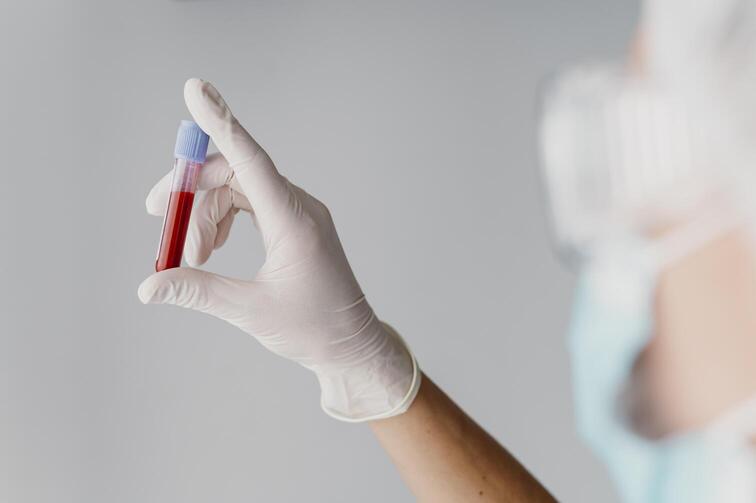
What Causes Low Platelet Counts?
There are many causes of thrombocytopenia, including:
Genetic Disorders
Some conditions are inherited, such as Bernard-Soulier Syndrome (BSS), which leads to abnormal or reduced platelets.
Aplastic Anemia
Aplastic anemia impairs the bone marrow’s ability to produce platelets.
Cancer
Leukemia, lymphoma, or metastatic cancer in the bone marrow disrupts new blood cell production, causing a rapid drop in platelet levels.
Chemical Exposure
Toxic chemicals like benzene or industrial solvents can damage bone marrow cells, especially with long-term exposure or inadequate protection.
Medication Side Effects
Certain drugs, including chemotherapy, antiviral medications, or even some antibiotics, may reduce platelet production.
Viral Infections
Hepatitis B/C, EBV, HIV, or dengue fever can directly affect the immune system, reducing platelet counts.
Alcohol
Excessive alcohol intake can impair bone marrow function, decreasing platelet production and increasing bleeding risk.
Additionally, autoimmune diseases (like ITP), enlarged spleen, and pregnancy can also lead to low platelet levels.
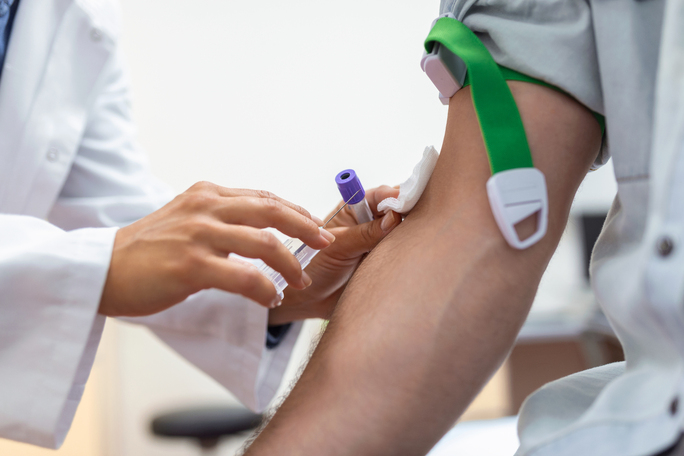
How to Improve and Prevent Low Platelets
Thrombocytopenia prevention includes healthy lifestyle and dietary habits such as:
- Eat foods rich in vitamin B12, folate, and iron: liver, leafy greens, egg yolks, brown rice
- Avoid blood-thinning medications like aspirin without a doctor’s advice
- Get adequate sleep and reduce stress for immune balance
- Limit alcohol and quit smoking
- Have regular health check-ups. If diagnosed, follow up to find the underlying cause promptly
Conclusion
Low platelet count may seem minor but can lead to serious illness—especially cancer—if left untreated. Monitoring symptoms and scheduling regular blood tests are key. If you’re at risk or suspect this condition, Synphaet Ramindra Hospital’s specialized team is here to help with comprehensive diagnostics and expert care.