






Pain is not something to ignore! Chronic pain, numbness, and neurological disorders significantly affect people’s quality of life. Today, many treatment options exist to relieve these symptoms. One option is using a pulsed magnetic stimulation (PMS) device—Pulsed Magnetic Stimulation. Another long-established therapy is acupuncture, a Chinese medicine practice. Both techniques have different mechanisms, advantages, limitations, and varying patient responses. Understanding the differences between PMS and acupuncture helps you select the most suitable pain therapy.
Main Causes of Chronic Pain, Numbness, and Neurological Disorders
Chronic pain, numbness, and neurological disorders have various causes. Common factors include nerve injury from accidents, surgery, or chronic conditions such as diabetes, leading to burning pain, tingling, or weakness. Degeneration of bones and joints—such as knee osteoarthritis or degenerative disc disease—can also cause chronic pain affecting the nervous system.
Chronic inflammation from conditions like rheumatoid arthritis or soft tissue and tendon inflammation can also lead to pain and impact nerves. Additionally, nerve compression from tight muscles or altered bone structure is another contributor to pain and neuropathy symptoms.
What Is a PMS Device?
PMS device is a therapy technology using rapidly changing electromagnetic fields to stimulate tissues at specific treatment sites. The PMS device generates a controlled electromagnetic field that induces small electrical currents within the targeted tissue, directly stimulating nerve and muscle cells.
Mechanism of PMS on Nerves and Muscles
The electromagnetic field produced by a PMS device penetrates skin, bone, and other tissues to stimulate deep nerve and muscle cells. Depending on field frequency and strength, the induced current can activate or inhibit neural signals. In muscles, magnetic stimulation prompts contractions, which can reduce cramps and strengthen muscle tissue.
Benefits of PMS Therapy
PMS therapy is noninvasive, painless during treatment, and avoids infection risk. It effectively stimulates deep tissue without surgery or injections. The device allows customizable frequency and intensity settings to tailor treatment to each patient’s condition accurately.
Conditions Treatable with PMS
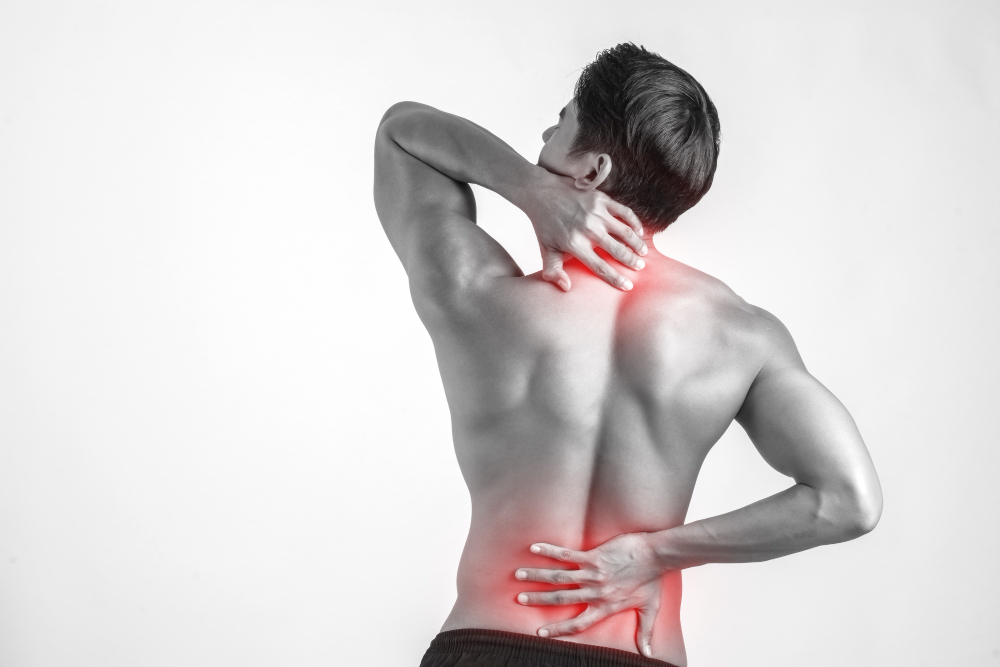
PMS is used to treat various neurological and musculoskeletal conditions—especially chronic pain in body regions, numbness, muscle weakness, nerve compression, neuropathic pain, lower back pain, neck pain, headaches, and urinary incontinence.
What Is Acupuncture?
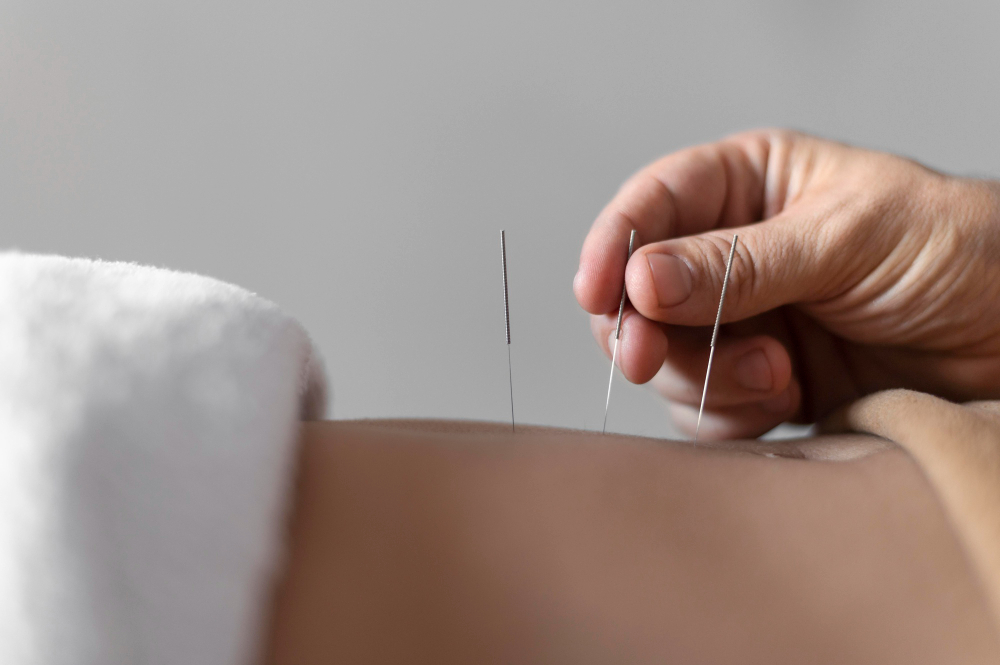
Acupuncture is an ancient Chinese medicine practice with thousands of years of history. Based on the concept of restoring balanced energy flow (“Qi”) along meridians. Imbalances block Qi flow and lead to illness. Acupuncture uses fine needles inserted along meridians to restore balance and promote self‑healing.
Mechanism of Acupuncture in Stimulating Points on the Body
While acupuncture is rooted in traditional Chinese theory, scientific studies explain its physical effects. Needle insertion at acupuncture points stimulates local nerves, triggering release of neurotransmitters like endorphins—the body’s natural painkillers. Acupuncture may also improve blood circulation, reduce inflammation, and relax muscles.
Benefits of Acupuncture Treatment
Acupuncture offers holistic treatment by assessing overall health—not only localized symptoms. It has minimal side effects and can complement modern medicine. Additionally, treatment can be tailored to individual patient conditions. It’s a good option for those avoiding medication or surgery.
Conditions Treatable with Acupuncture
Acupuncture is widely accepted for relieving pain including back pain, neck pain, headaches, and knee osteoarthritis. It also alleviates nausea, vomiting, allergy symptoms, insomnia, and stress.
How to Choose the Best Therapy: What Factors to Consider?
Choosing between PMS and acupuncture depends on factors such as type of pain, severity, cause, physical condition, personal preference, and availability of treatment.
Generally, PMS is a good option for targeted, deep‑tissue stimulation without skin contact. Acupuncture may suit those seeking holistic, traditional therapy. Consulting a physician or treatment specialist helps guide the optimal choice.
Where to Reduce Pain, Numbness & Neurological Symptoms?
If you’re interested in treating pain, numbness, or neurological symptoms—whether via PMS or acupuncture—Synphaet Hospital is a trusted option. Our experienced team specializes in both pulsed magnetic stimulation (PMS) technology and acupuncture techniques. We provide detailed diagnosis, tailored treatment plans, modern equipment, and safe, high‑standard care to help you regain a better quality of life.