






Abruptio Placenta: Symptoms, Causes, and Prevention Tips
During the 40 weeks of pregnancy, anything unexpected can happen to both mother and baby. One serious complication that shouldn’t be ignored is abruptio placenta. In this article, we explore its causes, symptoms, and how to recognize warning signs in time.
Understanding Abruptio Placenta
Abruptio placenta is a condition where the placenta separates from the uterus wall before delivery. Though it affects only 1% of pregnancies, it can be dangerous for both mother and baby. It may occur as early as 24 weeks and is most common in the final trimester. It is also a leading cause of preterm delivery, requiring urgent obstetric care.
Why Is Abruptio Placenta Dangerous?
The placenta supplies oxygen and nutrients to the baby. If it detaches prematurely, the baby may be deprived of these essentials. The mother is also at risk due to significant bleeding, which can lead to complications such as shock, clotting issues, kidney failure, or even death.
Risk Factors for Abruptio Placenta
Key risk factors include trauma during pregnancy, such as car accidents or severe falls. Other contributing factors include:
- Previous pregnancy with abruptio placenta
- High blood pressure (140/90 mmHg or more)
- Premature rupture of membranes (water breaking early)
- Blood clotting disorders like anemia or thalassemia
- Multiple pregnancy, which stretches the uterus
- Mothers over 40 due to higher risk of placental degeneration
Signs of Abruptio Placenta
Expectant mothers should be aware of these signs:
- Vaginal bleeding, often bright red, may be light or heavy
- Frequent uterine contractions, hard abdomen, constant tightness
- Early water breaking, with fluid possibly gushing
- Baby’s reduced or absent movement — seek immediate care if noticed
- Fatigue, rapid heartbeat, sweating — may indicate blood loss
Treatment for Abruptio Placenta
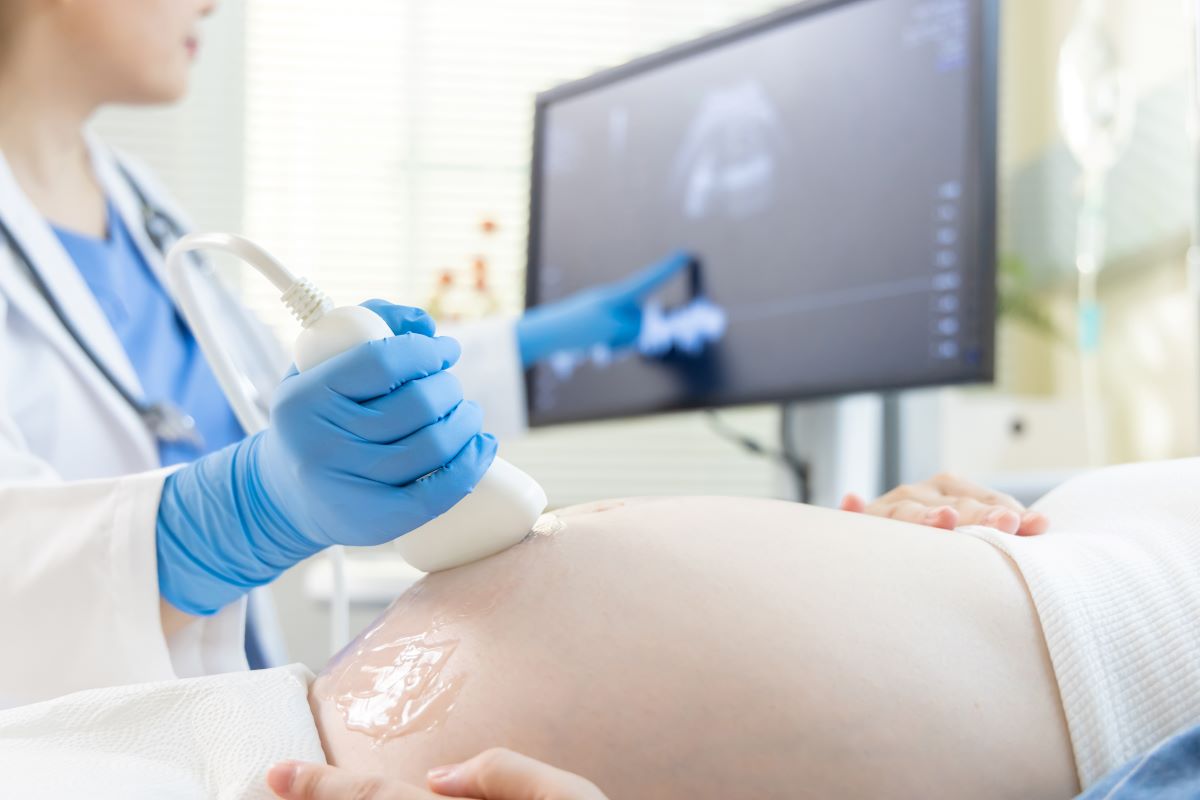
Treatment options include:
- Medical evaluation and risk assessment — starts with medical history and symptom review
- Fetal health checkups — using ultrasound, heartbeat monitoring, blood tests, etc.
- Mild cases — may require bed rest and close monitoring; severe cases may need early delivery
How to Prevent Abruptio Placenta
- Avoid smoking, alcohol, and all forms of drugs
- Lead a cautious lifestyle to prevent trauma or accidents
- Maintain good health, follow medical advice, and attend regular prenatal checkups
- Keep blood pressure within a healthy range
For a safe and smooth pregnancy, be sure to choose your antenatal clinic from day one at Synphaet Nakhon Pathom Hospital. Our Obstetrics & Gynecology Department is equipped with advanced technology and a team of specialists ready to care for you and your baby. For more information or to make an appointment, call 034-271-999.