





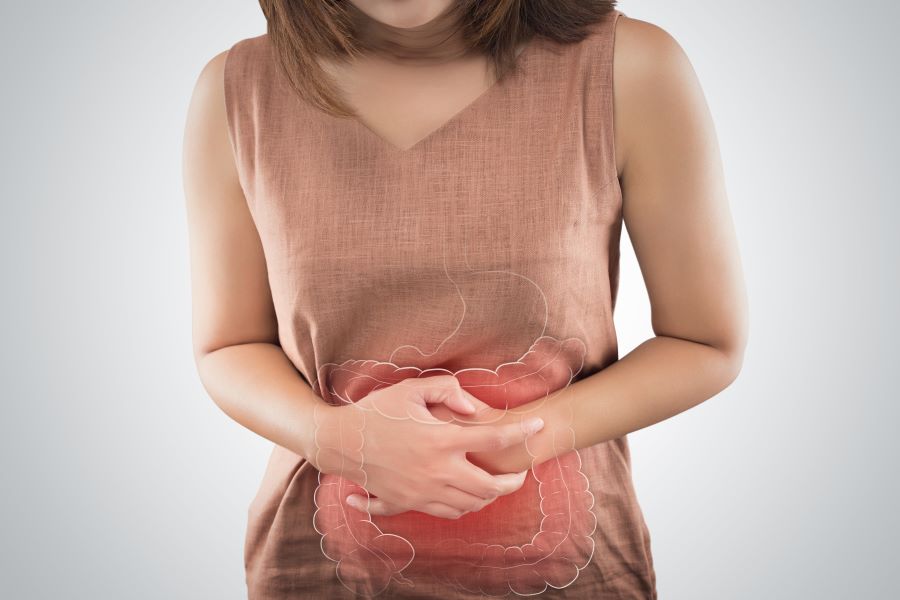
Understanding Colitis: Early Symptoms and Treatment Methods
When it comes to stomach pain and diarrhea, many people have likely experienced these symptoms. But how can we tell if it’s just a simple case of diarrhea or a more serious condition like inflammatory bowel disease? What are the symptoms of inflammatory bowel disease, what causes it, and how can it be treated? This article provides useful insights about this disease.
What are the symptoms of inflammatory bowel disease?
Inflammatory bowel disease or Ulcerative Colitis is a chronic inflammation of the colon. It belongs to the group of chronic inflammatory bowel diseases (Inflammatory Bowel Disease). The name “inflammatory bowel disease” refers to inflammation occurring in the lining of the colon and rectum. If left untreated, it can spread to other parts of the intestines and may lead to complications such as bowel perforation, intestinal obstruction, and increase the risk of colon cancer.
This disease can affect people of all ages and genders. Symptoms vary from person to person. Initially, symptoms may resemble gastritis, hemorrhoids, or irritable bowel syndrome, but inflammatory bowel disease is much more severe. Symptoms indicating that you may be at risk of inflammatory bowel disease include:
Abnormal bowel movements, sudden diarrhea, stool mixed with mucus and blood, or in some patients, constipation may also occur.
- Headache and body aches
- High or low fever depending on the individual, accompanied by chills
- Fatigue, nausea, vomiting, and unexplained weight loss
- Cramping abdominal pain, similar to being squeezed, caused by intestinal spasms, possibly accompanied by bloating and indigestion
- Other systemic symptoms such as joint pain, mouth ulcers, and eye inflammation
- If you notice these symptoms, you should urgently see a doctor for diagnosis. Severe diarrhea and vomiting, inability to drink or eat, can cause dehydration and shock
What causes inflammatory bowel disease?
There are several causes of inflammatory bowel disease. The most common causes include:
- Immune system dysfunction: The body mistakenly attacks the intestines as if they were foreign, causing inflammation similar to autoimmune diseases like lupus, but this mainly affects the digestive tract
- Viral infections such as Norovirus, which often outbreaks in winter. The incubation period for diarrhea and inflammation caused by this virus is 12-48 hours after consuming contaminated food or water, with symptoms improving within 24-72 hours. There is no specific treatment, only symptom relief and preventing dehydration.
- Consuming spicy foods, contaminated or hard-to-digest foods such as raw meat, raw vegetables, or foods containing sulfur like red meat, cheese, bread, raisins, prunes, cruciferous vegetables, milk, and almonds
- Other causes include genetics, complications, side effects of cancer radiation therapy, certain antibiotics, and blood clots reducing intestinal blood supply
Treatment methods for inflammatory bowel disease
Currently, there are three treatment methods for inflammatory bowel disease: symptom management, antibiotics, and surgery. Details are as follows:
- Symptom management: Treatment with medications based on the patient’s symptoms such as anti-inflammatory drugs, anti-diarrheal medicines, and immune system suppressants, along with preventing dehydration caused by diarrhea and vomiting
- Antibiotics: In cases of bacterial infection causing inflammatory bowel disease, doctors may prescribe antibiotics to kill bacteria and control infection, which is a main cause of the disease
- Surgery: For severe inflammatory bowel disease with complications or cancer risk, surgery may be required to remove the inflamed intestine. This can be complete bowel removal or partial removal of the affected part only
For those wondering how many days it takes to recover from inflammatory bowel disease, if treated properly and following the doctor’s advice strictly, symptoms gradually improve within one week. However, recurrence is possible as this is a chronic condition that requires ongoing self-care.
How to take care of yourself when you have inflammatory bowel disease
“What foods should I avoid if I have inflammatory bowel disease?” This is a common question among patients looking for proper guidelines. If you have inflammatory bowel disease, we recommend following these three simple guidelines:
- Choose cooked, clean, and easily digestible foods. Avoid fermented foods, caffeine-containing drinks, dairy products, and high-fiber foods. Eat smaller portions more frequently. Anti-inflammatory foods include nuts, avocado, carrots, bananas, salmon, tuna, snapper, and foods rich in omega-3
- Drink plenty of water to stimulate better bowel function
- Maintain basic hygiene by washing hands thoroughly before eating and after using the restroom to prevent harmful viruses and bacteria
If you suspect you may have inflammatory bowel disease or have any other abnormalities related to your digestive system or abdominal area such as stomach pain, diarrhea, constipation, or a lump in your abdomen, you can schedule a diagnosis and consultation with a gastroenterology specialist at the Abdominal Pain Center, Synphaet Lam Luk Ka Hospital. Expert doctors provide consultation and treatment. For more information, please contact the Call Center at 02-006-9999.