






Understanding Emphysema: A Serious Threat Even Non-Smokers Face
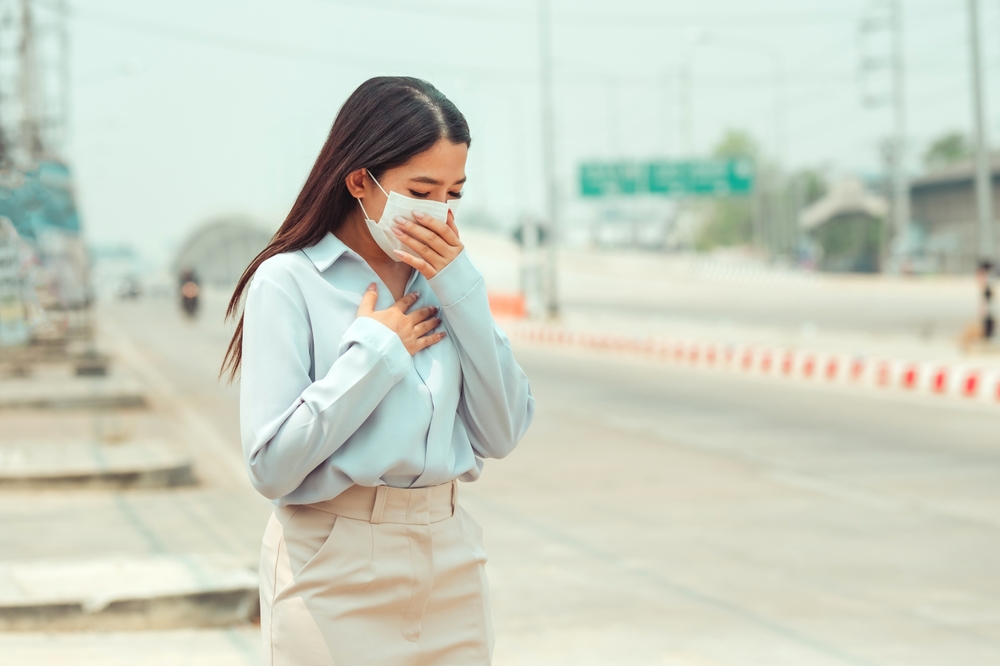
Many people already know that smoking is a major cause of emphysema. However, it may be surprising that this disease can develop from various factors, most of which are common environmental exposures around us, such as pollution, chemicals, vehicle exhaust, and even cooking smoke.
Therefore, to raise awareness of the dangers of this disease, we will explore the risk factors of emphysema, as well as its symptoms and treatment options. Follow along to learn more.
What is Emphysema?
Emphysema is a disease classified under chronic obstructive pulmonary disease (COPD). It occurs when the air sacs (alveoli) in the lungs become abnormally enlarged due to inflammation and damage to lung tissue. These small sacs resemble clusters of grapes, and when combined with adjacent sacs, they enlarge further. This reduces the surface area in the lungs, making breathing difficult and limiting the oxygen supply to the body’s tissues.
Causes of Emphysema
Although over 90% of emphysema cases are caused by smoking, the disease can also result from several other factors. Common causes include:
- Air pollution, such as smoke from fuel combustion and PM 2.5 dust particles, which accumulate over time and harm health.
- Smoke from cooking, especially for those who work daily in food preparation, increasing their risk.
- Smoke from industrial processes in factories. People living near or working in factories are also at risk of developing the disease.
Recognizing the Symptoms of Emphysema
Symptoms of emphysema can be divided into two main categories:
- Shortness of breath: Patients often experience easy breathlessness, shallow breathing, difficulty taking full breaths, or breathlessness during physical exertion. In severe cases, breathlessness may occur even while resting.
- Cough: Usually chronic cough, especially in the morning upon waking, often accompanied by clear phlegm and symptoms such as frequent colds.
Other symptoms may include loss of appetite and weight loss, which are side effects of the disease.
Treatment Approaches for Emphysema
Many wonder how long a person can live with emphysema. The answer depends on several factors, including disease severity, self-care, and proper treatment. Patients with emphysema should receive treatment through the following methods:
Lifestyle Changes
Once diagnosed with emphysema, the first essential step is to adjust lifestyle habits, including:
- Quitting smoking, which is the main cause of the disease.
- Avoiding inhalation of harmful pollutants. If staying in risky areas is necessary, wearing a mask to protect against pollution is advised.
Medication
Patients experiencing breathlessness and difficulty breathing due to bronchial narrowing, muscle spasms, or mucus obstruction require five types of medication. These must be prescribed and monitored by a physician:
- Anti-inflammatory drugs to reduce inflammation reactions.
- Bronchodilators to open airways.
- Mucolytics to thin mucus.
- Antibiotics for respiratory and lung infections.
Vaccination
Emphysema patients are at higher risk for illnesses such as the flu and pneumonia. Therefore, vaccination against influenza, pneumonia, and COVID-19 is necessary to reduce severity and infection risk.
Therapy
For rehabilitation and recovery, doctors recommend:
- Moderate exercise, such as walking, to strengthen respiratory muscles.
- Special nutritional care to restore weight, as weight loss is common in emphysema patients.
- Oxygen therapy for patients with low blood oxygen levels.
Surgery
For severe emphysema, doctors may suggest removing the damaged parts of the lung and performing a lung transplant to restore lung function.
People at risk of emphysema should regularly monitor their symptoms. If abnormalities occur, immediate medical consultation is advised. Consultations and diagnosis are available at Synphaet Lam Luk Ka Hospital, near BTS Khu Khot Station, with specialist doctors.
Schedule an online appointment or call the Call Center at 02-006-9999.