





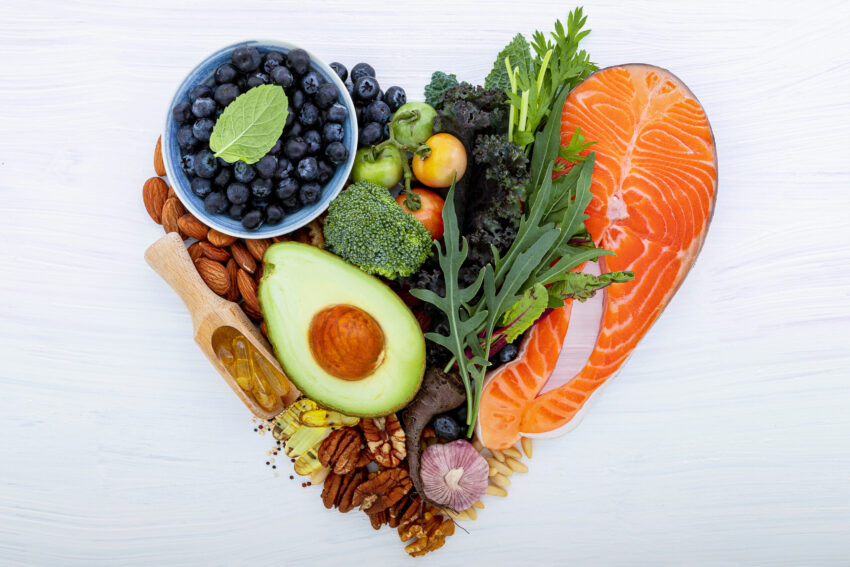
What Kind of Food Is Good for the Heart?
Taking care of your cardiovascular health can start easily on your plate.
Choosing the right foods is a key to reducing the risk of cardiovascular disease and stroke, lowering cholesterol levels, and controlling blood pressure, which are major risk factors for heart health issues.
The fundamental principles of a heart-nourishing diet are focusing on foods with good fats, high fiber, and high antioxidants, while limiting sodium, saturated fat, and sugar intake.
5 Heart-Nourishing Food Groups You Shouldn’t Miss
1. Colorful Fruits and Vegetables
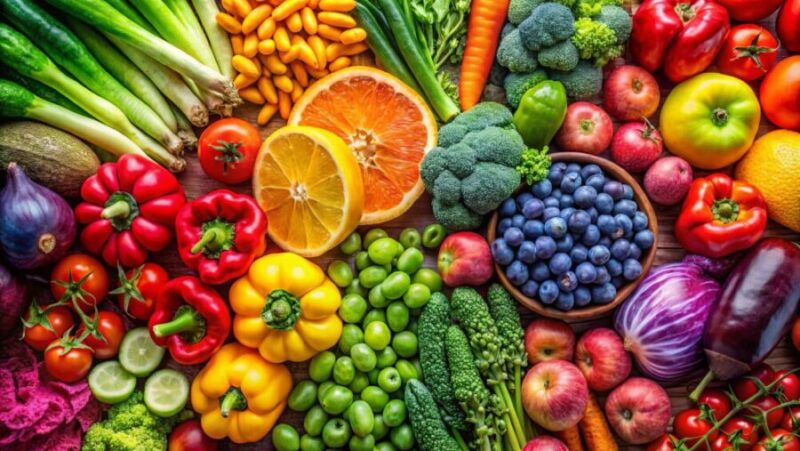
Fruits and vegetables are sources of vitamins, minerals, dietary fiber, and antioxidants that help reduce inflammation in blood vessels and lower the risk of heart disease. You should try to consume at least 5-7 servings per day and focus on a variety of colors.
- Avocados: Rich in monounsaturated fats, which help lower bad cholesterol (LDL) and increase good cholesterol (HDL).
- Tomatoes: High in Lycopene, an antioxidant that helps reduce blood vessel inflammation (It is recommended to cook them before consumption for better absorption).
- Garlic and Onions: Contain substances that help reduce blood cholesterol levels and improve blood vessel flexibility.
2. Whole Grains and High Fiber Foods
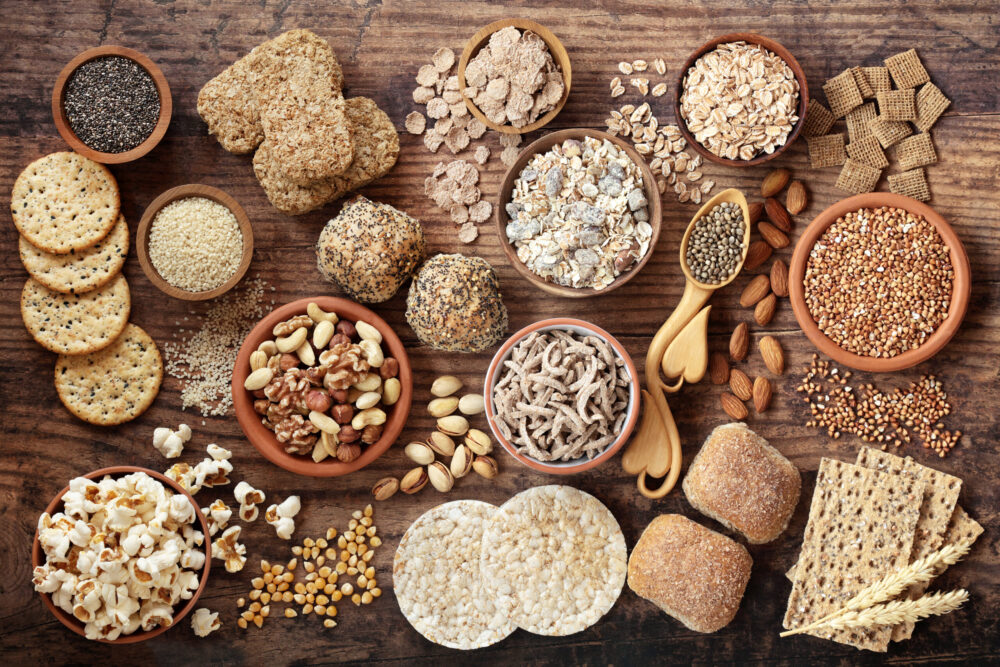
Choose **Whole Grains** instead of refined grains to ensure the body receives full dietary fiber. These fibers play a vital role in **lowering cholesterol levels** and controlling blood sugar.
- Oats: Contain a type of soluble fiber called Beta-Glucan, which is effective in reducing cholesterol.
- Brown rice, Barley, or Whole wheat bread
- Nuts and Legumes: Such as red beans, black beans, mung beans.
3. Heart-Healthy Protein Sources
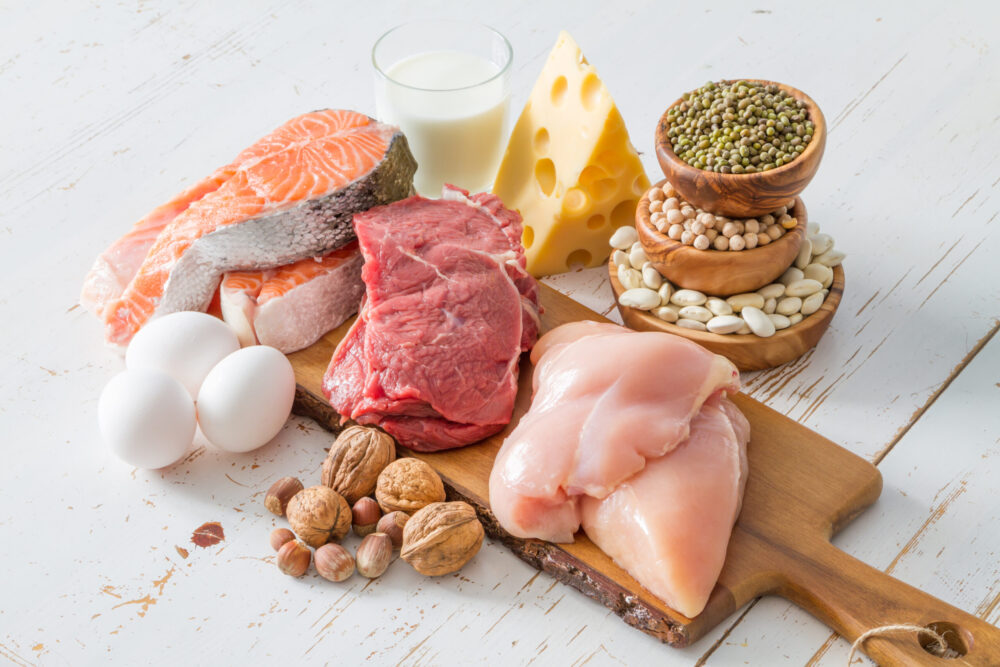
You should choose lean protein with low saturated fat and focus more on plant-based protein.
- Oily Fish: Such as salmon, mackerel, sardines (or some Thai freshwater fish like snakehead fish, catfish) are rich in Omega-3 fatty acids, which help reduce triglycerides, lessen inflammation, and prevent blood clot formation. You should consume them at least twice a week.
- Nuts and Seeds: Such as almonds, walnuts, cashew nuts, which contain Omega-3 fatty acids and good unsaturated fats.
- Lean Meats: Choose meat cuts with no fat, and limit red meat consumption, such as pork and beef, to 1-3 times a week.
- Low-fat or Skim Dairy Products: Such as skim milk, low-fat/fat-free yogurt.
4. Healthy Fats
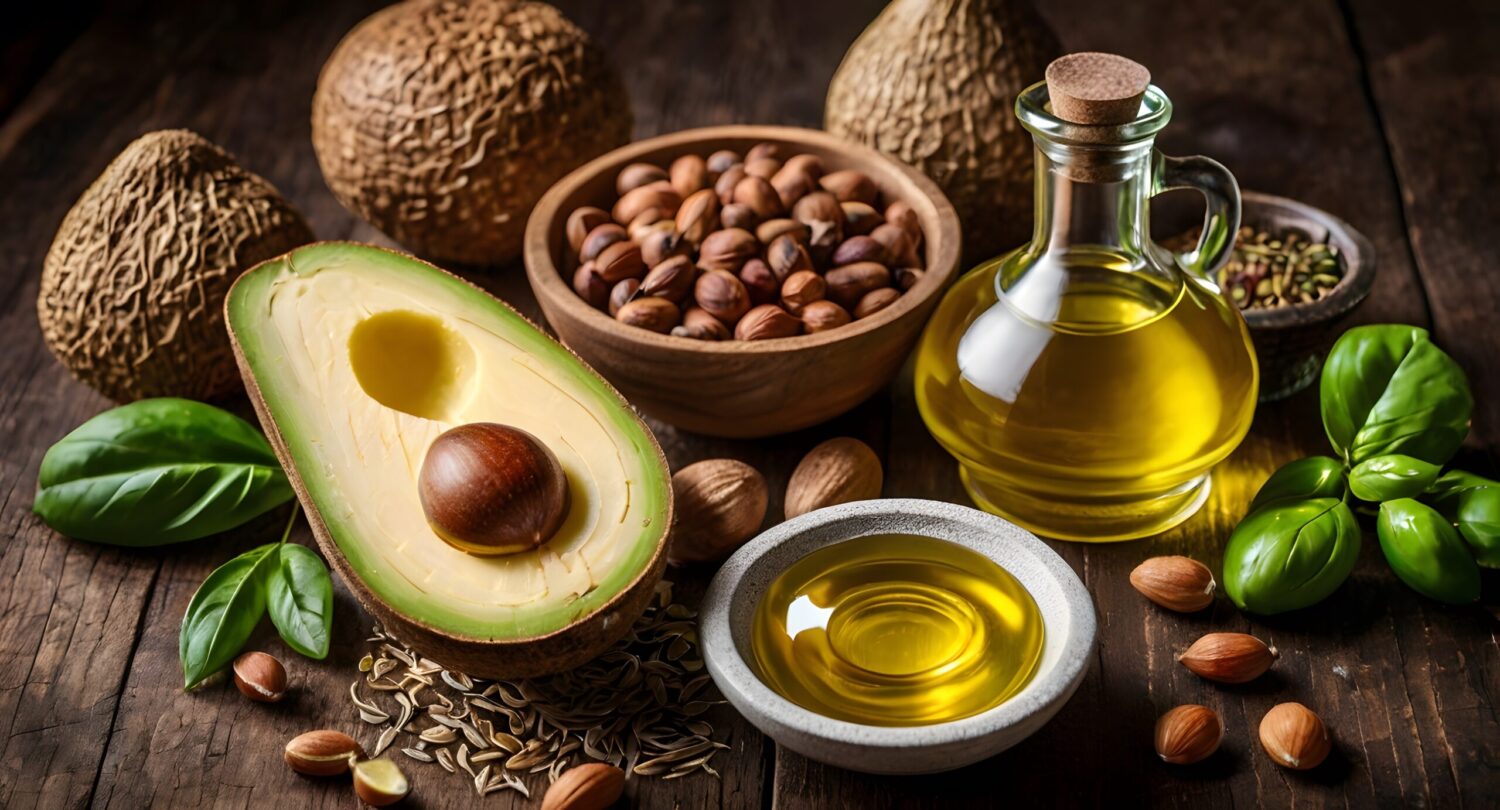
Fats are not always bad! You should switch to healthy fats instead of saturated fats.
- Cooking Oils: Choose oils with unsaturated fats, such as Olive Oil, Rice Bran Oil, or Canola Oil, instead of lard, palm oil, or coconut oil, which are high in saturated fats.
- Avocados, Olives: Are good sources of heart-healthy unsaturated fats.
5. Herbs and Spices
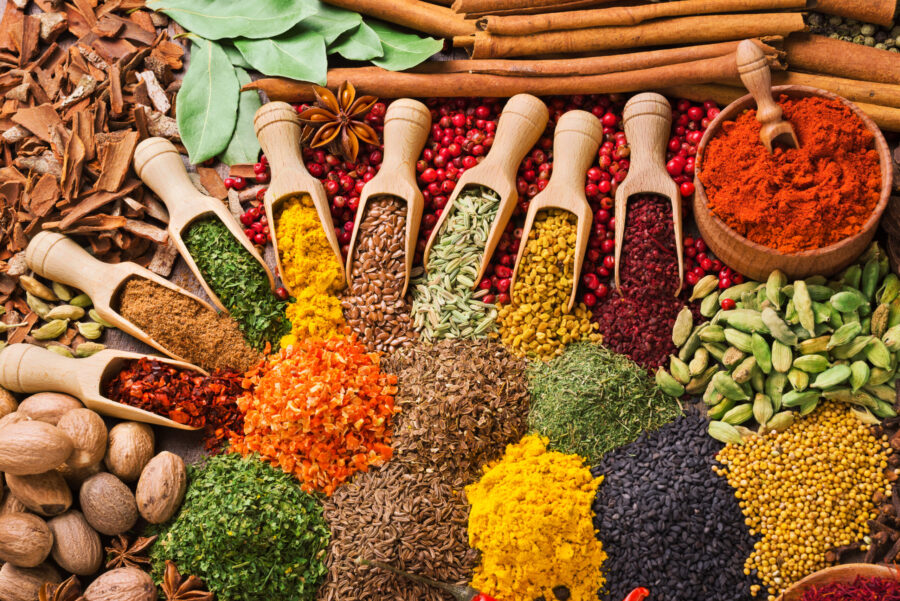
Using herbs and spices to season food instead of salt and high-sodium sauces will help keep your heart healthier. Additionally, some types offer extra benefits:
- Dark Chocolate: Choose high-cocoa varieties (70% and above) which contain Flavonoids, antioxidants that help lower blood pressure.
Foods to Avoid or Limit
- High Saturated Fat and Trans Fat
Increases bad cholesterol (LDL) that accumulates in blood vessels, leading to a risk of clogged arteries. Found in: Animal skin, offal, pork knuckle, crispy pork belly, shrimp/crab roe, coconut curry, lard/palm/coconut oil, and bakery products (donuts, cookies, pizza). - Processed Foods and High Sodium
High sodium causes high blood pressure. Found in: Sausages, ham, bacon, preserved foods (salted fish, pickled vegetables, salted eggs), instant noodles, seasoning powder, and various sauces. - Very Sweet Foods and High Sugar
Increases body weight and blood triglycerides. Found in: Desserts, cakes, cookies, sodas, boxed fruit juices, and flavored sweetened milk. - Alcoholic Beverages and High Caffeine
Alcohol negatively affects blood pressure, while large amounts of caffeine may stimulate an abnormal rapid heartbeat (tea, coffee, soft drinks).
Cooking Tips for a Strong Heart
- Change Cooking Methods: You should use methods like baking, steaming, boiling, blanching, or grilling instead of deep-frying or stir-frying.
- Limit Salt/Sodium: Reduce the use of salt, fish sauce, soy sauce, and MSG in cooking, and use herbs and spices to enhance flavor instead.
- Choose Milk and Yogurt: Select skim or fat-free varieties that have no added sugar.
Adjusting your eating habits to a heart-healthy diet plan is not about strict restriction, but about consistently choosing a variety of foods in appropriate amounts to keep your heart strong along with your overall body.
Heart Health Check-up Program
References
- สุดยอดอาหารบำรุงหลอดเลือดหัวใจ – โรงพยาบาลกรุงเทพ
- Heart healthy eating pattern – Heart Foundation (Australia)
- Healthy Eating – American Heart Association (AHA)
- อาหารที่ผู้ป่วยโรคหัวใจ ควรรับประทาน – ศูนย์หัวใจสิริกิติ์ ภาคตะวันออกเฉียงเหนือ – มหาวิทยาลัยขอนแก่น
- 6 อาหารที่ผู้ป่วยโรคหัวใจควรหลีกเลี่ยง – Navavej