




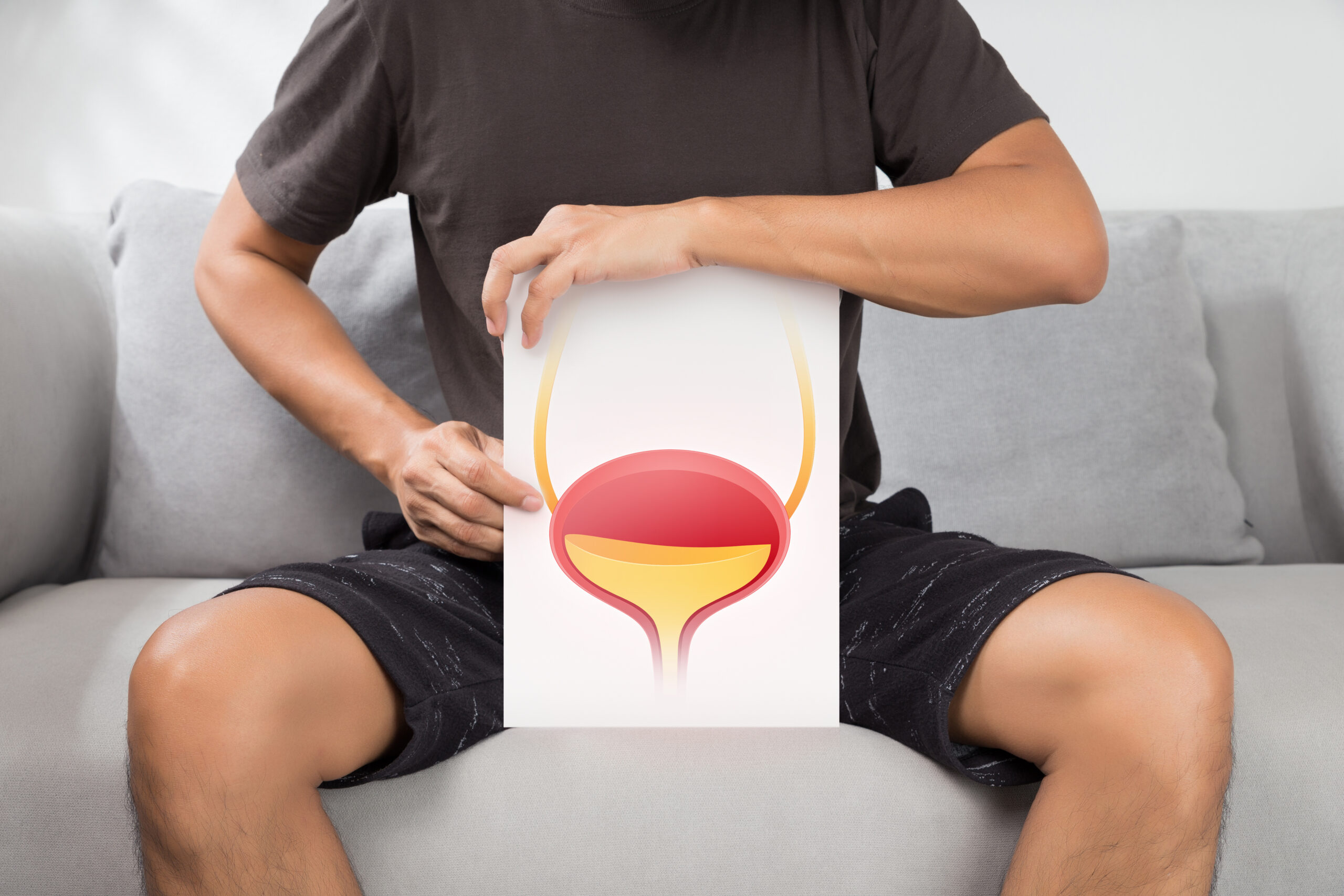
Urinary retention is a condition in which the bladder is unable to empty completely, even when there is a strong urge to urinate or straining has been attempted. It is a common condition, occurring more frequently in men than in women, and can affect individuals of all ages, though it is most commonly seen in the elderly.
Urinary Retention
Urinary retention is a condition in which the bladder cannot be completely emptied despite the urge to urinate or full effort to void. It is a common condition, more prevalent in men than women, and can occur at any age, though it is most frequently seen in the elderly.
What are the symptoms of urinary retention?
Urinary retention is classified into acute and chronic forms depending on onset and characteristics:
- Acute urinary retention presents suddenly and is often accompanied by severe lower abdominal pain and a strong urge to urinate. A distended bladder may be palpable above the pubic bone due to urine buildup.
- Chronic urinary retention usually lacks severe pain but may involve intermittent pressure, frequent urination during both day and night, incomplete emptying, weak urine stream, straining to urinate, or occasional urinary incontinence.
What causes urinary retention?
- Benign prostatic hyperplasia (BPH)
- Urethral stricture
- Bladder stones
- Bladder or sphincter muscle dysfunction due to neurological disorders such as spinal cord injury, stroke, pelvic trauma, diabetes, or childbirth
- Weak bladder muscles in the elderly
- Pelvic organ prolapse
- Constipation
- Tumors or certain cancers
- Certain medications such as muscle relaxants, antihistamines, antidepressants, and antispasmodics
What are the complications of urinary retention?
- Urinary tract infections (UTIs)
- Urinary stones
- Kidney dysfunction
How is urinary retention treated?
Treatment depends on identifying and managing the underlying cause. Options may include:
- Medications for prostate enlargement
- Treatment for urinary stones
- Urethral dilation for strictures
For patients unable to urinate, catheterization is performed to drain the bladder. If catheterization is not feasible, the doctor may consider a surgical procedure to insert a suprapubic catheter through the abdominal wall.