




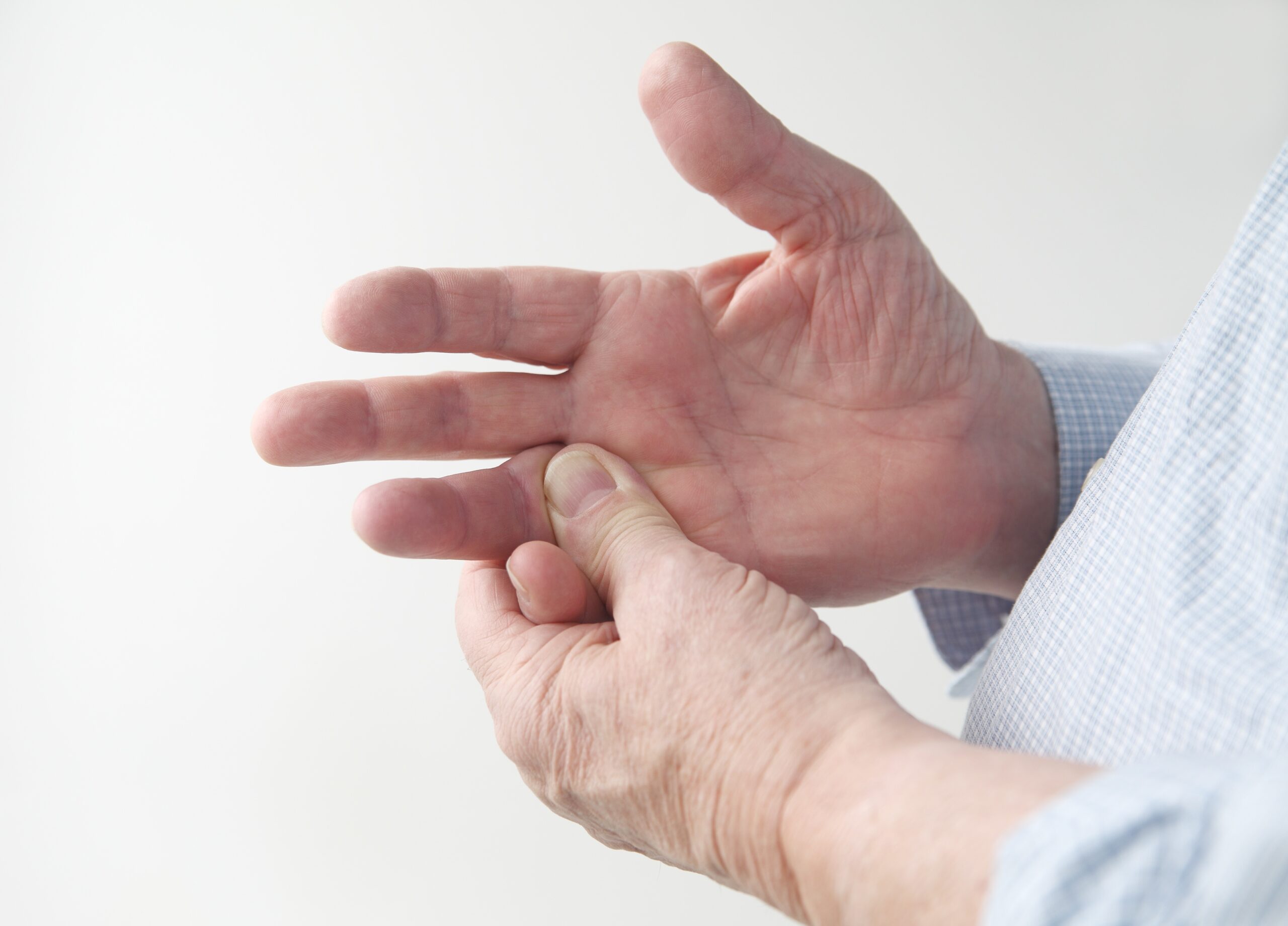
Rheumatoid Arthritis
Rheumatoid arthritis is a type of chronic inflammatory joint disease classified as an autoimmune disorder. It involves persistent and severe inflammation of the joints and synovial membranes. Without proper treatment, the disease can progress and lead to joint and bone destruction, resulting in deformities and permanent disability.
Who is at risk of developing rheumatoid arthritis?
The exact cause of rheumatoid arthritis is still unknown, but several risk factors have been identified:
- Women are more likely to develop the disease than men
- It can occur at any age, but is most common in middle-aged adults
- Smoking increases the risk
- Family history of rheumatoid arthritis
What are the symptoms of rheumatoid arthritis?
- Chronic joint inflammation lasting more than 6 weeks
- Affected joints may be painful, swollen, red, and warm; pain worsens with use
- Morning stiffness in the joints after waking up
- Commonly affected joints include fingers, wrists, ankles, and toes; in severe cases, shoulders, elbows, knees, and hips may also be involved
- Other symptoms may include low-grade fever, fatigue, rheumatoid nodules under the skin, dry mouth, dry eyes, loss of appetite, and weight loss
How is rheumatoid arthritis treated?
Rheumatoid arthritis cannot be cured, but early diagnosis and proper treatment can help control the disease and allow patients to maintain daily activities. Treatment aims to reduce inflammation, prevent joint damage, and improve quality of life. Common treatment methods include:
- Medications: Non-steroidal anti-inflammatory drugs (NSAIDs) to relieve pain and acute inflammation, disease-modifying antirheumatic drugs (DMARDs) to reduce inflammation and prevent long-term joint damage, and cytokine inhibitors to suppress inflammation and joint destruction
- Physical therapy: Exercises and joint protection techniques to maintain joint flexibility and proper joint use without overloading them
- Surgery: In severe cases, procedures such as joint replacement or synovectomy (removal of inflamed joint lining) may be performed to reduce pain and correct deformities