




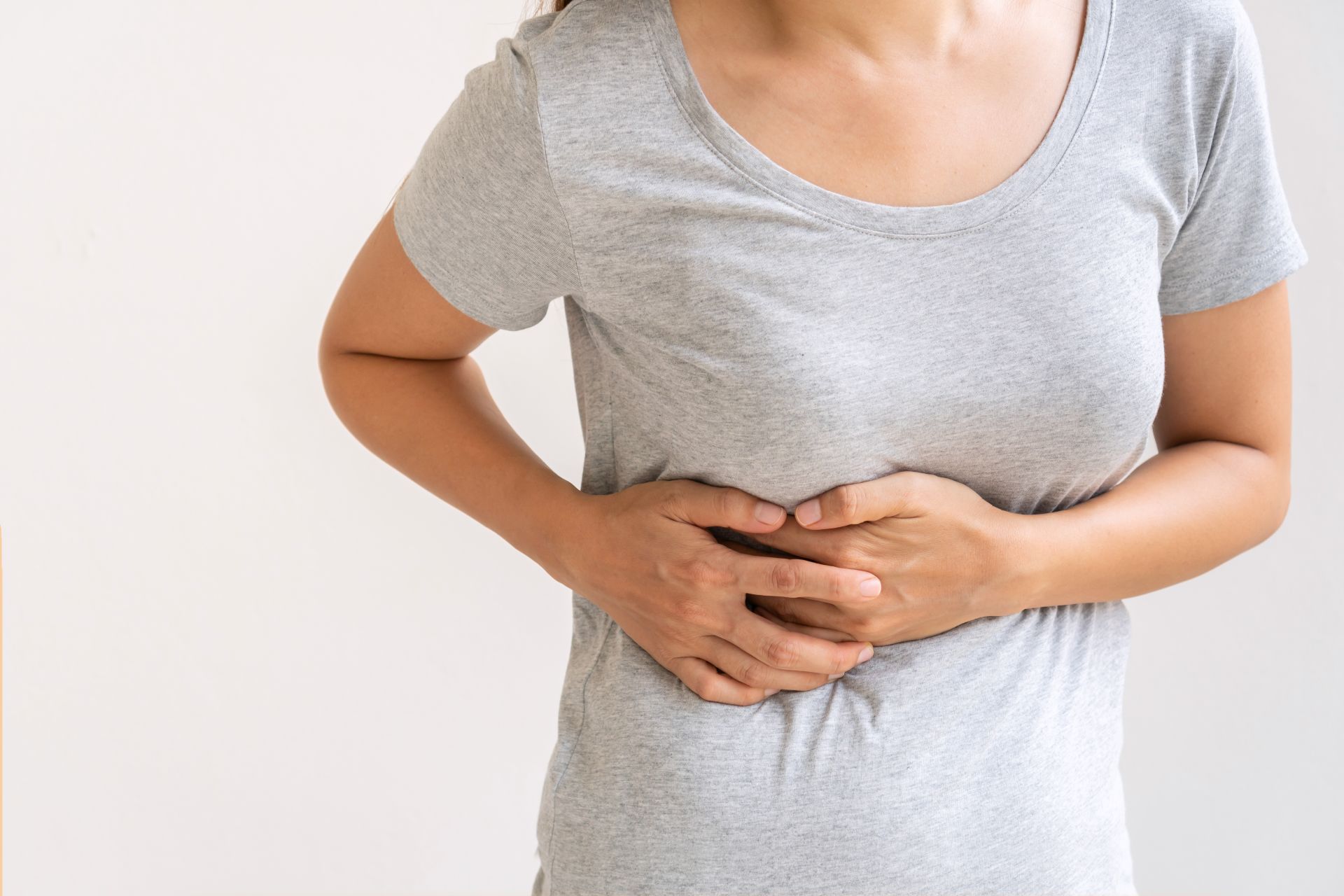
Diverticulitis is a condition in which small pouches in the wall of the large intestine become inflamed or infected, causing abdominal pain and, without proper treatment, potentially leading to serious complications.
Causes of diverticulitis
The exact cause of diverticulitis is not clearly known, but it is believed to be related to long-standing high pressure in the large intestine, which causes the bowel wall to bulge and form pouches. When fecal matter becomes lodged in a pouch, inflammation and infection can occur. Important risk factors include:
- A diet high in fat and low in fiber, leading to hard stools and difficulty passing them, requiring forceful straining.
- Advancing age, which causes degeneration of the bowel wall; commonly found in people aged 50 and above.
- Genetics: having a family member with the disease increases risk.
- Overweight or obesity.
- Physical inactivity.
- Smoking and alcohol consumption.
- Certain medications, such as nonsteroidal anti-inflammatory drugs (NSAIDs) and corticosteroids.
What are the symptoms of diverticulitis?
- Left lower abdominal pain, the most common symptom; typically a constant dull ache with tenderness on palpation.
- Fever and chills.
- Bloating and abdominal fullness.
- Nausea and vomiting.
- Loss of appetite.
- Diarrhea or constipation.
- If bowel perforation occurs, severe, generalized abdominal pain may develop.
Complications of diverticulitis
If inflammation is severe or not treated properly, serious complications may occur, such as:
- Intra-abdominal abscess.
- Bowel perforation causing peritonitis.
- Large-bowel obstruction from chronic inflammation leading to fibrosis.
- Abnormal fistulous connections between the bowel and other organs, such as the colon and bladder, or colon and skin.
- Gastrointestinal bleeding.
- Sepsis.
How is diverticulitis diagnosed?
- History and physical examination: typically reveals tenderness in the left lower abdomen.
- Blood tests: to assess for inflammation or infection.
- Abdominal computed tomography (CT) scan: the standard test for diagnosis, which can show inflamed diverticula and related complications.
- Colonoscopy: not recommended during the acute phase due to the risk of perforation; usually performed about 4–6 weeks after recovery to confirm the diagnosis and rule out colorectal cancer.
How is diverticulitis treated?
Treatment depends on disease severity.
1. Mild symptoms
– Antibiotic therapy to treat infection and pain relievers for symptom control
– Dietary modification to liquids or soft foods, or temporary nothing by mouth to allow the bowel to rest
2. Severe symptoms or with complications
– Hospitalization is required
– Intravenous antibiotics, fluids, and parenteral nutrition
– Surgery in cases of serious complications such as bowel perforation, peritonitis, bowel obstruction, intra-abdominal abscess, or frequent recurrences despite medical therapy
How can diverticulitis be prevented?
- Eat a high-fiber diet such as vegetables, fruits, brown rice, and whole grains.
- Drink adequate clean water.
- Avoid straining during bowel movements.
- Maintain a healthy body weight.
- Exercise regularly.
- Avoid smoking and alcohol.
- Avoid using NSAIDs or corticosteroids when possible.