




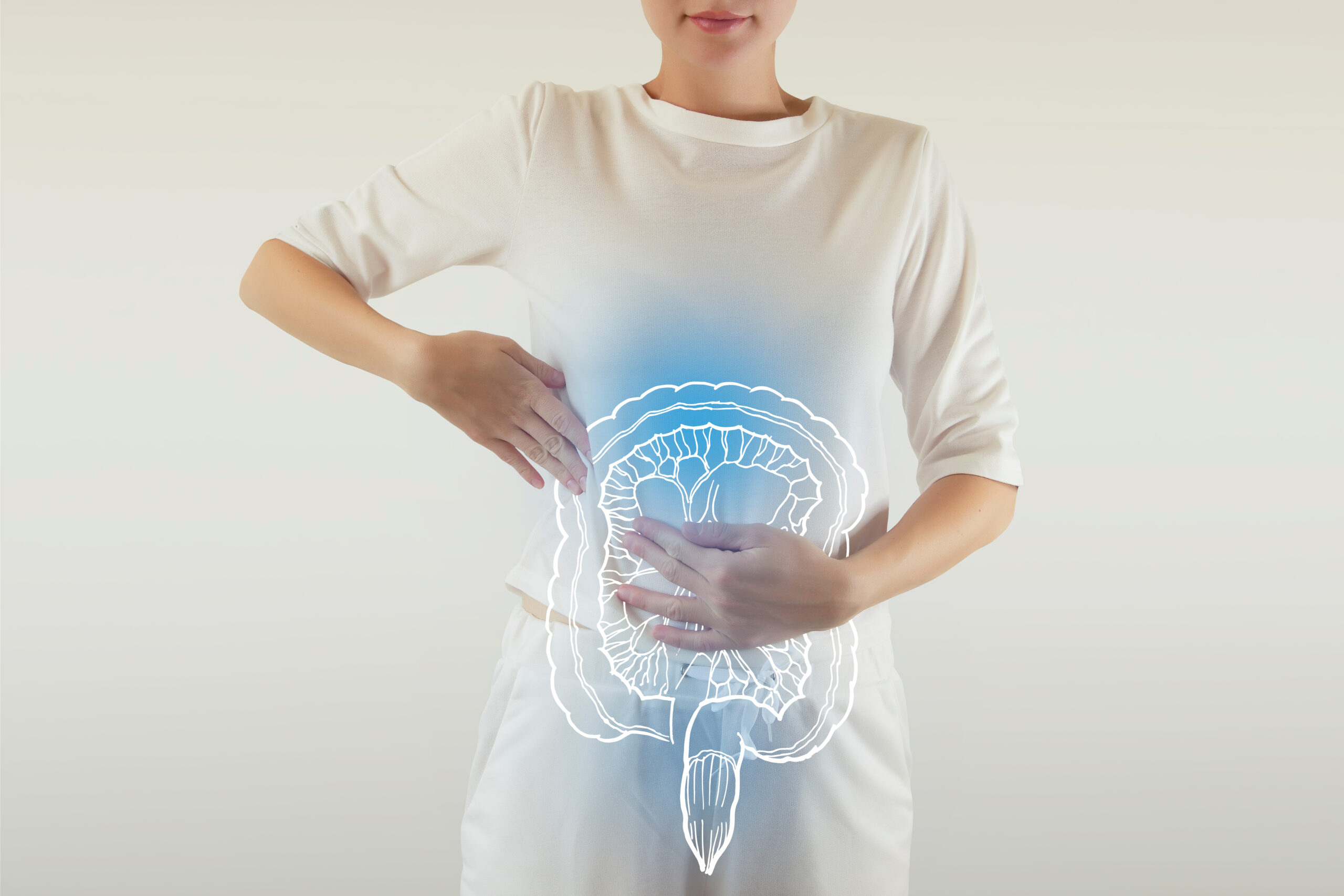
Crohn’s disease is a chronic inflammatory condition of the digestive tract lining. Inflammation can occur anywhere along the digestive tract — from the mouth to the anus — but is most commonly found in the terminal ileum and colon. Symptoms include abdominal pain, diarrhea, and bloody stools.
What causes Crohn’s disease?
The exact cause is still unknown. It is presumed to result from multiple factors working together, including:
- An abnormal immune response to viruses or bacteria, causing the immune system to attack cells in the digestive tract
- Genetics
- Ethnicity—more common in Europeans than Asians
- Age—often seen in people under 30
- Smoking
- Environment—those living in urban settings have a higher risk than those in rural areas
- A diet high in fat or refined foods
What are the symptoms of Crohn’s disease?
- Chronic abdominal pain
- Diarrhea
- Fever
- Bloody stools
- Mouth ulcers (canker sores)
- Perianal ulcers or abscesses
- Loss of appetite
- Weight loss
- Fatigue, anemia
How is Crohn’s disease diagnosed?
In addition to history taking and a physical exam, doctors use further tests to help differentiate and confirm the diagnosis:
- Blood tests to detect infection or inflammation, check for anemia, and assess nutritional deficiencies
- Stool tests to check for occult blood and infectious pathogens
- Colonoscopy—endoscopic examination of the large intestine via the rectum with biopsies for confirmation
- Capsule endoscopy—swallowing a camera capsule that transmits images recorded to a receiver for small-bowel visualization
- Abdominal computed tomography (CT) scan
- Abdominal magnetic resonance imaging (MRI)
How is Crohn’s disease treated?
There is currently no cure. Treatment aims to reduce gastrointestinal inflammation, achieve remission, relieve symptoms, and prevent complications.
1. Medications
- Anti-inflammatory drugs to reduce intestinal inflammation, e.g., corticosteroids, sulfasalazine
- Immunosuppressants to curb immune-mediated inflammation, e.g., azathioprine, TNF inhibitors, mercaptopurine
- Antibiotics such as metronidazole and ciprofloxacin
- Symptomatic relief, e.g., antispasmodics for abdominal pain, antidiarrheals
- Iron and vitamin B12 supplementation for anemia and B12 deficiency
All medicines can have side effects. Patients must take them under close medical supervision.
2. Surgery
If other treatments are ineffective, surgery may be needed to remove the diseased segment of intestine. Postoperatively, medication is usually continued to reduce the chance of relapse.
#AbdominalPainCenter
#SynphaetRamintraHospital
#BehindEveryTreatmentIsCare