




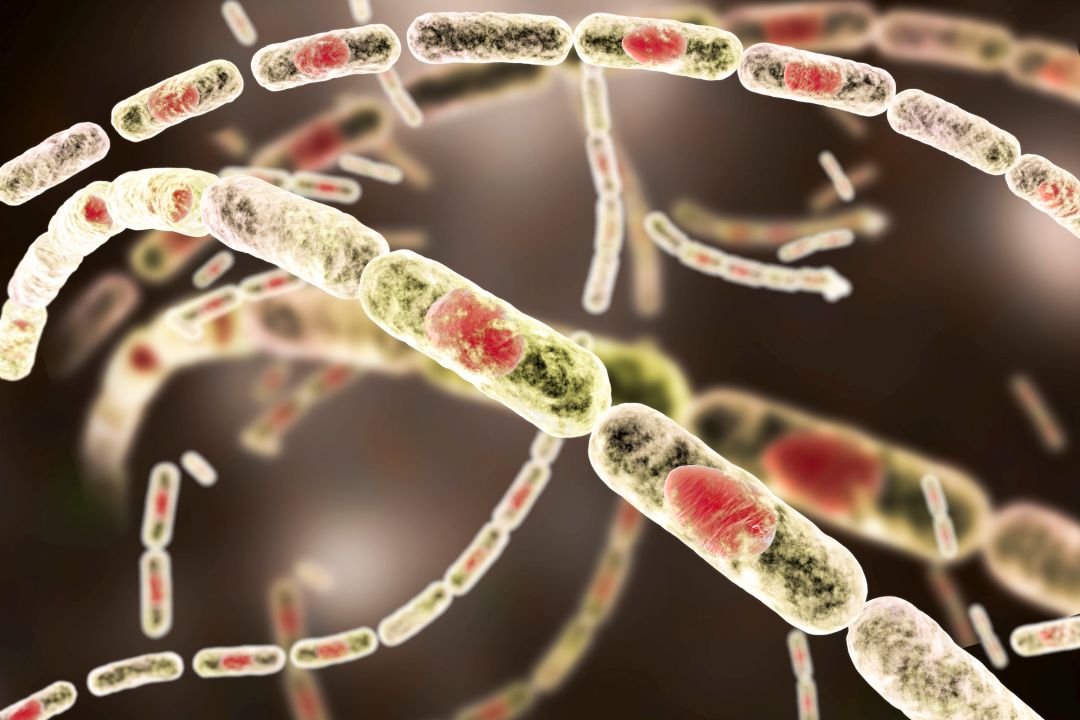
Anthrax: Causes, Symptoms, Diagnosis, Treatment & Prevention
What Causes Anthrax?
Anthrax is an acute infectious disease caused by Bacillus anthracis, a gram-positive rod-shaped bacterium. It is commonly found in soil and affects herbivorous mammals such as cattle, buffalo, goats, sheep, and deer. The spores are highly resistant and can survive in the environment for decades.
How is Anthrax Transmitted?
The bacteria can enter the human body through three primary routes:
- Skin contact – the most common route. Infection occurs through cuts or abrasions when handling infected animals. Symptoms are usually mild if treated promptly.
- Respiratory tract – by inhaling bacterial spores. This form is severe and has a high fatality rate.
- Digestive system – through consumption of undercooked infected meat or unpasteurized milk. Symptoms are typically severe.
The incubation period ranges from 1 to 7 days, but inhaled spores may take up to 60 days to show symptoms.
What Are the Symptoms of Anthrax?
- Cutaneous anthrax: Itchy blisters or pustules appear at the infection site, later forming a black-centered ulcer. Commonly occurs on exposed skin.
- Inhalational anthrax: Fever, chills, fatigue, headache, cough, chest pain, difficulty breathing, bloody cough, and eventual respiratory failure.
- Gastrointestinal anthrax: High fever, oral ulcers, abdominal pain, severe diarrhea, nausea, vomiting blood, bloody stool, dehydration, and weakness.
Without timely treatment, severe anthrax can lead to bloodstream infection, shock, and death.
How is Anthrax Diagnosed?
Doctors base the diagnosis on symptoms and risk history. Confirmation involves testing samples from skin lesions, blood, sputum, cerebrospinal fluid, or detecting antibodies in blood.
How is Anthrax Treated?
Treatment includes antibiotics such as penicillin, erythromycin, doxycycline, or quinolones. Supportive care may be needed to manage shock or respiratory failure.
How to Prevent Anthrax?
- Avoid contact with sick or dead animals.
- Thoroughly cook meat and avoid raw or undercooked meat and unpasteurized milk.
- Wash hands and body after animal contact.
- Report any unexplained animal deaths.
- Vaccinate livestock in outbreak areas.
- Anthrax vaccine for humans is limited to high-risk professionals like lab workers.
- Post-exposure antibiotics are recommended for those who were exposed but are asymptomatic.