




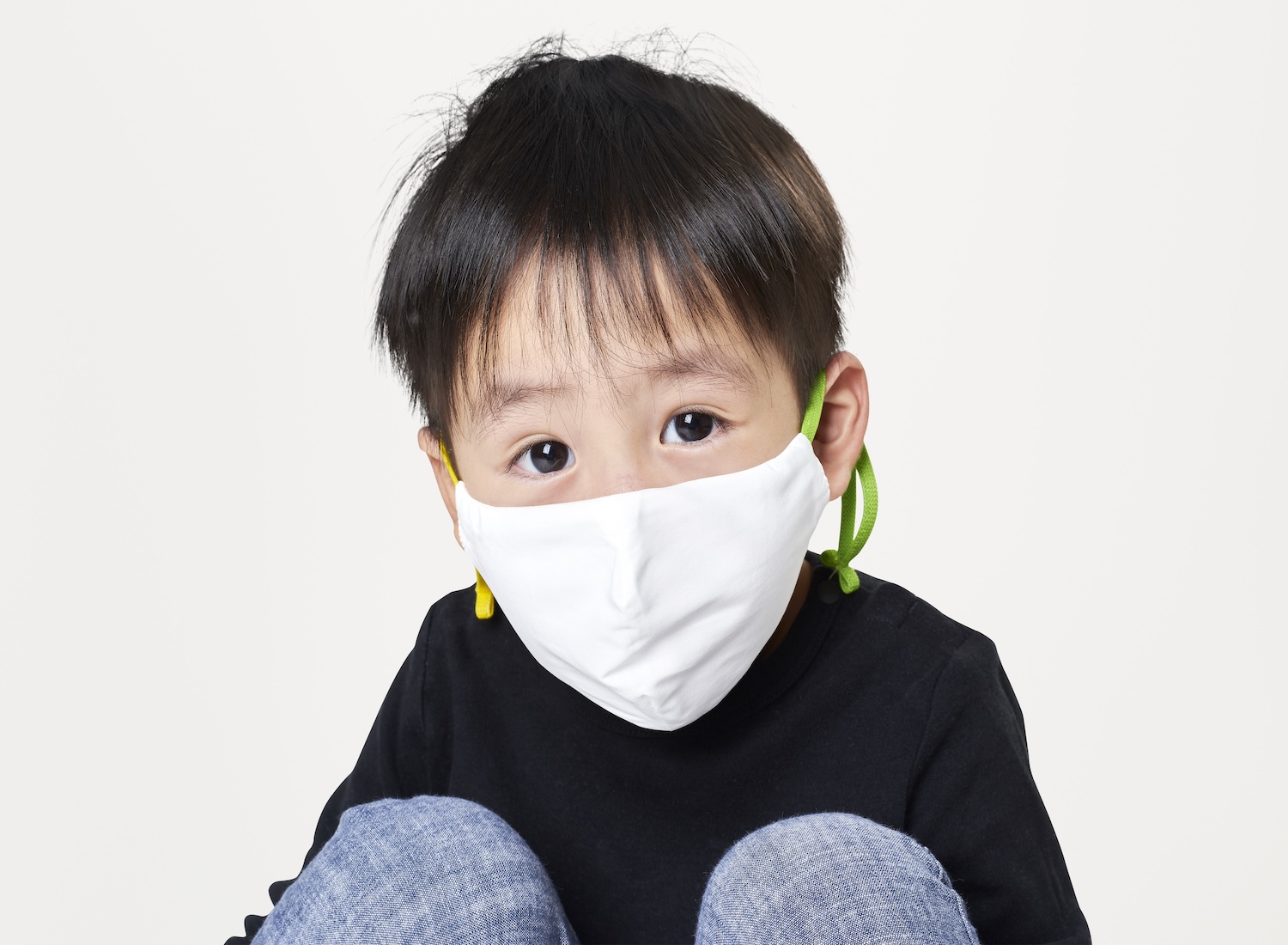
Monitoring Respiratory Infections: Common Illnesses in Children
Respiratory infections
are among the most common health issues in young children. Since their immune systems are not fully developed, they are more vulnerable to viral and bacterial infections. Kids in schools or daycare centers can easily contract illnesses through shared toys, surfaces, or unprotected coughing and sneezing.
Changing weather and air pollution are also major triggers for illness. That’s why parents should understand these conditions to better prevent and manage them. Synphaet Children’s Hospital presents an overview of common respiratory infections in children, how to spot the signs, and how to care for your child effectively.

Common Respiratory Infections in Children
Respiratory infections in children can affect various parts of the body—such as the bronchi, lungs, sinuses, and throat—and are typically caused by airborne viruses or bacteria. Common types include:
Bronchitis
Inflammation of the bronchial tubes causes persistent coughing, increased mucus, and chest tightness. There are two types:
Acute Bronchitis
- Caused by viruses like influenza or RSV
- Begins with fever, body aches, coughing, and runny nose
- If not treated well, can progress to pneumonia
- Symptoms typically resolve within 7–10 days
Chronic Bronchitis
- Cough lasting longer than 3 weeks
- Often caused by long-term exposure to pollution, smoke, or allergens
- Can lead to wheezing and breathing difficulty if severe
Sinusitis
Sinus infections cause swollen nasal passages, leading to nasal congestion and facial pain. Symptoms worsen in cold or dusty environments, and discharge may be green or yellow. Chronic symptoms may disrupt sleep and focus.
Allergic Rhinitis
Children allergic to dust, pollen, or pet dander may suffer from sneezing, nasal congestion, watery eyes, and chronic cough. If left untreated, it may lead to
respiratory infections
or chronic bronchitis and asthma.
Bronchial Hyperreactivity
Triggered by cold air, dust, or allergens, it causes wheezing, intermittent coughing, and chest tightness. Severe symptoms may require bronchodilators.
Pneumonia
A serious condition in children that can lead to respiratory failure. Symptoms include high fever, mucus-laden cough, fatigue, and rapid breathing. If left untreated, it can be life-threatening.
Pharyngitis
Caused by viral or bacterial infections, leading to sore throat, difficulty swallowing, and high fever. Antibiotics are needed if caused by bacteria.
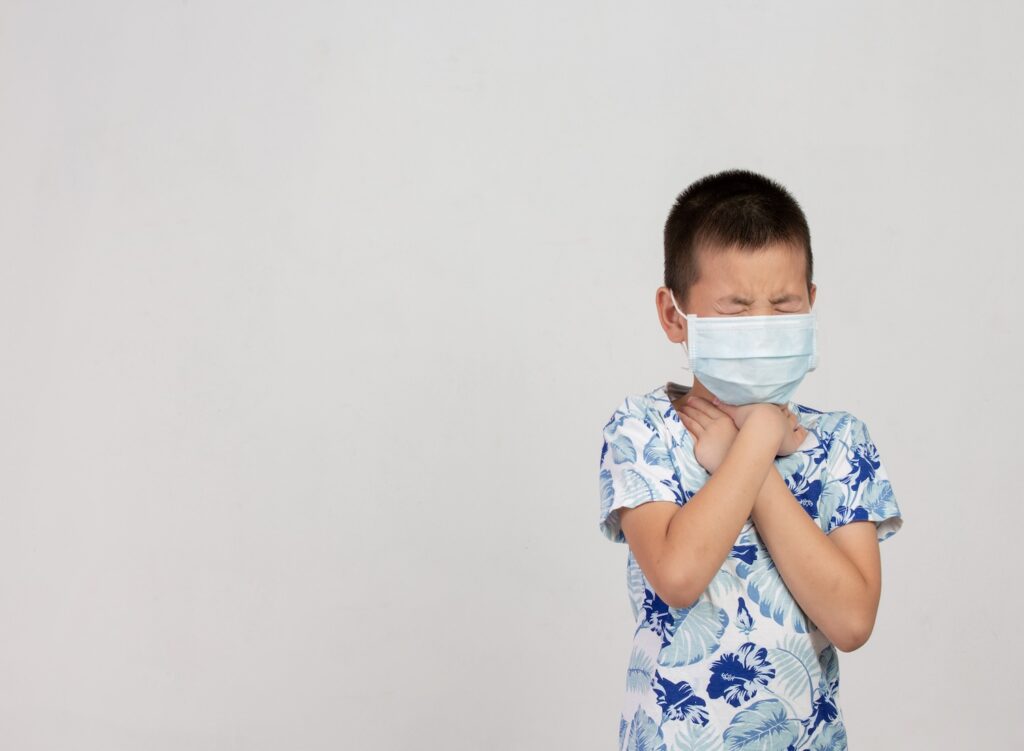
How to Recognize Respiratory Illness in Children
- Persistent unexplained cough
- Wheezing or labored breathing
- Thick mucus or nasal discharge
- High or recurring fever
Why Do Children Get Respiratory Infections Often?
- Weaker immune systems make infections easier to catch
- Close contact with peers increases the spread of pathogens
- Polluted environments trigger respiratory issues
- Children’s habits, like putting hands in their mouths, facilitate germ entry
Summary
Respiratory infections
in children require attention. Preventive measures like vaccination, handwashing, and avoiding polluted environments help lower risk. If symptoms occur, consult a doctor promptly.
Synphaet Children’s Hospital offers expert pediatric care and modern treatment for respiratory infections. Book your appointment today.