





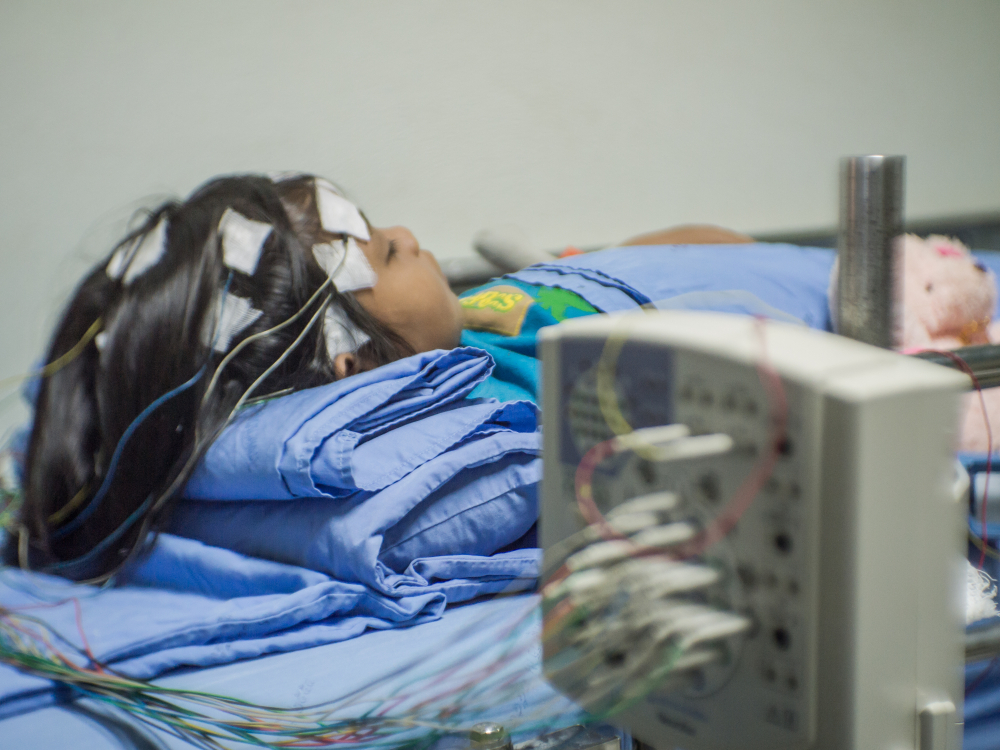
Learn how EEG tests help diagnose epilepsy in children, what to expect, how to prepare your child, and why early diagnosis matters for brain health.
EEG Test in Children: What You Should Know
Epilepsy in children is a serious neurological condition that requires close monitoring by parents. If your child shows signs such as muscle stiffness, jerking, startling, blank stares, confusion, or stillness without awareness—and especially if they’ve experienced seizures during high fevers—you should bring them in for proper diagnosis and timely treatment. Delays may lead to full-body seizures and oxygen deprivation to the brain.
What is an EEG Test?
EEG, or Electroencephalography, is a diagnostic test that evaluates electrical activity in the brain. It is conducted by trained physicians and is most commonly used to assess brain function in individuals who experience seizures, fainting, drowsiness, confusion, or unresponsiveness. These symptoms may stem from conditions such as epilepsy or brain tumors. With EEG, abnormalities can be detected early and treated promptly.
Who Should Get an EEG?
Doctors may recommend an EEG if your child shows these symptoms:
- Seizures or unusual body movements
- Episodes of staring blankly or confusion
- Sudden fainting, especially with stiffening or jerking
- Loss of consciousness
How to Prepare Your Child for an EEG
Parents should prepare their child as follows:
- Ensure your child gets enough sleep the night before
- Wash your child’s hair thoroughly; do not apply oil, gel, or conditioner
- Avoid caffeinated drinks like coffee, tea, or chocolate
- Bring familiar items like toys or pacifiers to help your child feel calm
What Happens During the Test?
During an EEG, small electrodes are attached to the scalp using a gel-like substance. The test is safe and painless, and children will be asked to relax or sometimes sleep. The entire process may take 30–60 minutes depending on the child’s condition. Results are reviewed by a neurologist who interprets brainwave patterns.
Why Early Diagnosis Is Important
Getting an EEG test early helps detect abnormalities before symptoms become severe. This can lead to faster intervention and reduce long-term complications related to epilepsy or other neurological issues.
At Synphaet Children’s Hospital, our pediatric neurology team offers expert care and modern diagnostic tools including EEG to help your child receive accurate diagnosis and treatment. Book an appointment today for peace of mind and a healthy future for your child.