





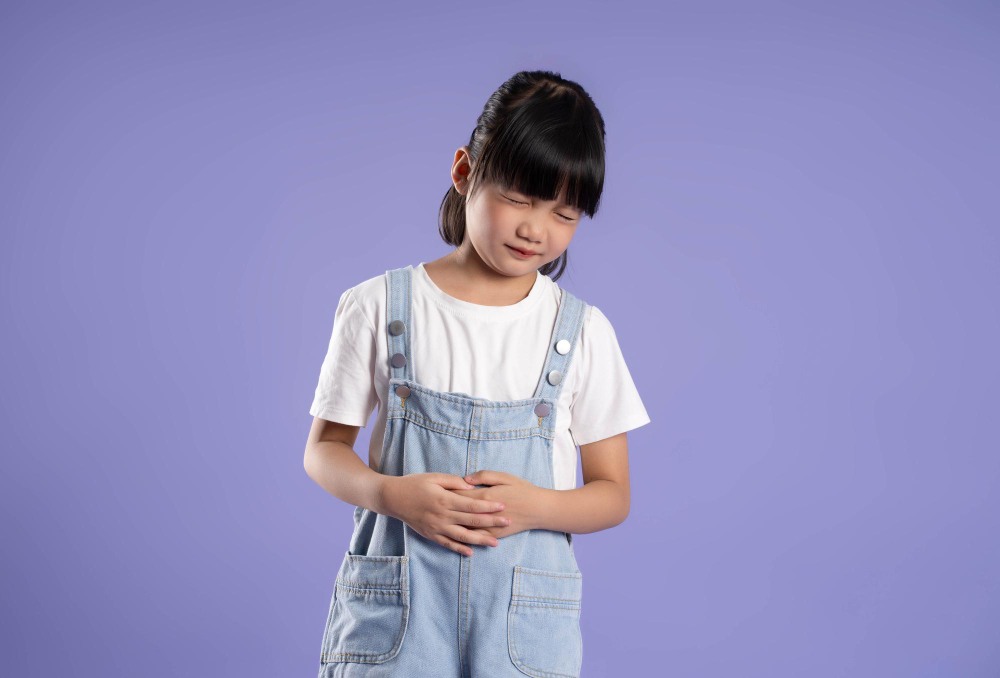
What to Feed a Child with Diarrhea: Tips and Foods for Faster Recovery
When your child has diarrhea, parents often feel particularly worried. Besides frequent loose stools, there’s also a risk of dehydration and electrolyte loss. Managing childhood diarrhea correctly—especially food and drink—is essential. If we understand what to do when a child should eat when having diarrhea, which foods to avoid, the causes, symptoms, and home care, parents can care with confidence, help the body recover faster, and prevent complications.
Childhood diarrhea: what are the symptoms?
Diarrhea in children means passing loose or watery stools more than usual and more than 3 times a day. Other possible symptoms include:
– Abdominal pain or cramping
– Nausea or vomiting
– Fever
– Fatigue and weakness
– Mucus or blood in the stool in some cases
The main concern when a child has diarrhea is dehydration, which can be life-threatening, especially in infants and young children. Warning signs of dehydration include decreased urination, dry mouth, thirst, crying without tears, sunken eyes, lethargy, or a sunken fontanelle in infants.
What causes diarrhea in children?
The leading causes of childhood diarrhea are infections of the gastrointestinal tract, including:
1. Viral infections such as rotavirus and norovirus—the most common cause of acute diarrhea in young children.
2. Bacterial infections such as E. coli, Salmonella, Shigella, and Campylobacter, often from contaminated food or water.
3. Parasitic infections such as Giardia lamblia, commonly from contaminated drinking water, food, surfaces, or direct hand-to-mouth contact.
4. Other causes such as food allergies (especially cow’s milk), reactions to certain medicines, or antibiotics that disrupt healthy gut bacteria.
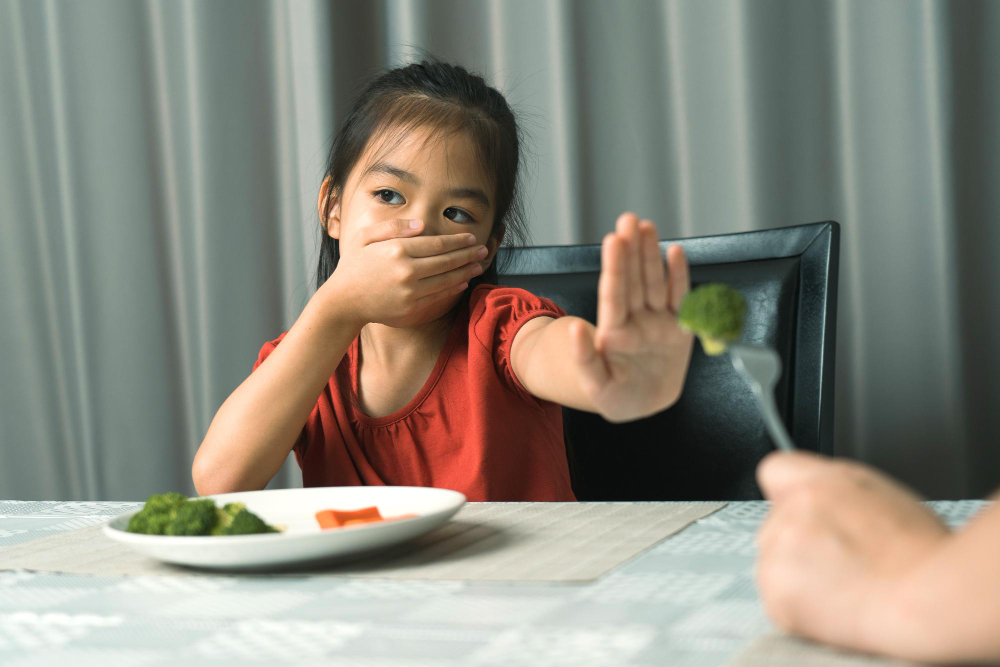
Foods to avoid when a child has diarrhea
When your child has diarrhea, it’s important to avoid certain foods that can worsen symptoms or irritate the gut. This lets the intestines rest and absorb nutrients better. Knowing what your child should eat when having diarrhea also means knowing what to avoid, including:
High-fiber foods
High-fiber foods such as raw leafy greens, fruits with peels, and whole grains can speed intestinal transit and make diarrhea worse. Choose lower-fiber foods during episodes.
Hard-to-digest foods
High-fat foods, fried foods, and very spicy, sour, or salty foods can overwork and irritate the intestines, worsening diarrhea. Opt for soft, bland, easy-to-digest meals instead.
Milk and dairy products
Although milk is nutritious, temporary lactose intolerance can occur during diarrhea. Lactose may be poorly digested and worsen symptoms. Avoid milk and dairy such as yogurt and cheese during episodes. However, breast milk remains the best option for breastfed infants.
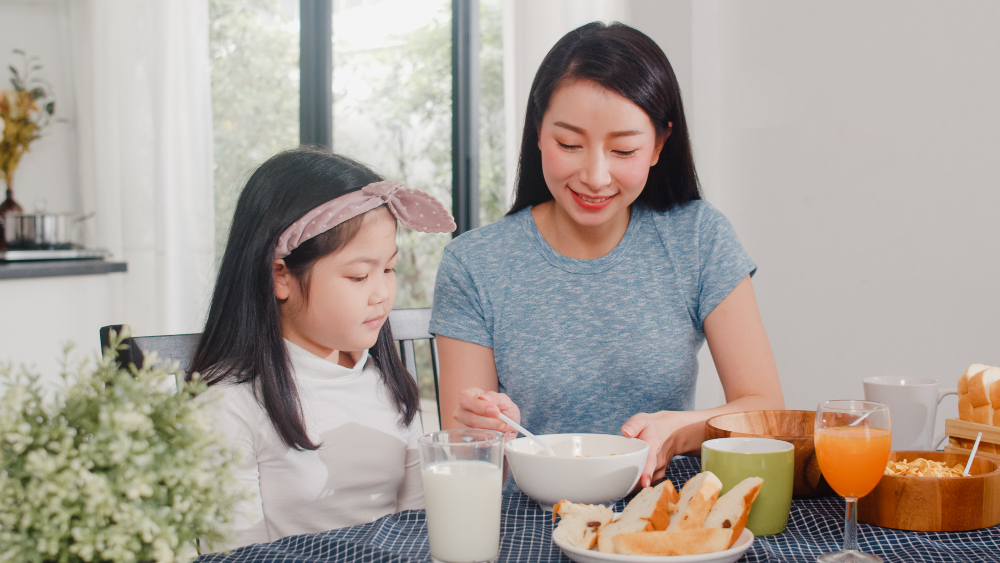
What should children eat by age to recover faster?
When deciding what a child should eat during diarrhea, tailor foods to their age so they receive essential nutrients and recover quickly.
Infants 1 month – 1 year
For breastfed infants, continue breastfeeding as usual—breast milk provides immune protection and nutrients that help recovery. For formula-fed infants, a temporary lactose-free formula may help during diarrhea; consult a doctor if symptoms worsen. Oral rehydration solution (ORS) is essential to replace lost fluids and electrolytes.
Young children 1-5 years
Sip ORS frequently throughout the day to prevent dehydration. Recommended foods include:
– Soft, easy-to-digest foods: rice porridge, congee, plain rice mixed with broth, or clear soups
– Starches: mashed banana, dry toast, or boiled mashed potatoes
– Lean proteins: well-cooked fish or chicken to provide protein
– Certain fruits: bananas and peeled apples, which contain pectin that helps absorb excess fluid in the gut
Older children 6-12 years
Continue frequent sips of ORS during diarrhea. Offer easy-to-digest, balanced meals:
– Starches: plain rice, toast, crackers, boiled potatoes
– Lean proteins: chicken, fish, hard-boiled eggs
– Vegetables and fruits: choose cooked vegetables (e.g., carrots, pumpkin) and peeled, lower-fiber fruits such as bananas, apples, or applesauce
– Avoid highly seasoned foods, greasy foods, milk and dairy, high-sugar juices, and caffeinated drinks
Summary
Caring for a child with diarrhea requires understanding and attention. Regular ORS is the cornerstone to prevent dehydration—the most dangerous complication. When it comes to food, knowing what a child should eat when having diarrhea and which foods to avoid helps the intestines rest and absorb nutrients. Choose soft, easy-to-digest foods appropriate to the child’s age. If diarrhea does not improve, there is a high fever, blood or mucus in stools, or severe dehydration signs, see a doctor promptly for accurate diagnosis and safe treatment—so your child can return to being bright, strong, and healthy as soon as possible.