





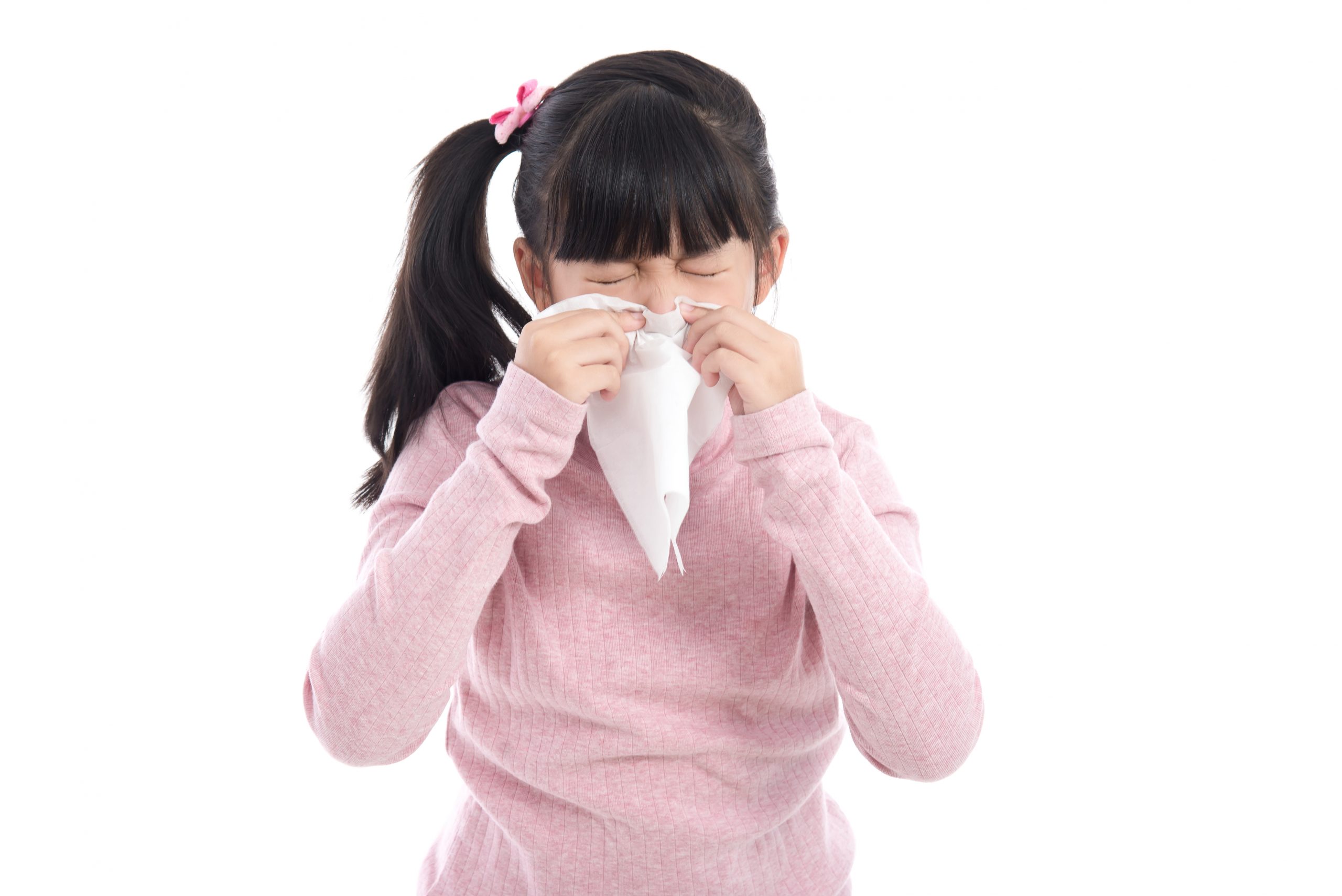
Learn about the causes, symptoms, treatment, and prevention of herpangina in children. Discover how to manage and avoid complications effectively.
Herpangina in Children: Causes, Symptoms, and Treatment
What causes herpangina?
Herpangina is caused by an enterovirus infection, most commonly Enterovirus 71 and Coxsackievirus A. These viruses are from the same group responsible for Hand, Foot, and Mouth Disease. Outbreaks often occur during the rainy season. The virus spreads easily through contact with nasal mucus, saliva, or feces, and can enter the body via the respiratory or digestive tract.
What are the symptoms of herpangina?
Symptoms usually appear 5–7 days after infection and commonly include:
– Sudden high fever (38.5–40°C)
– Sore throat and difficulty swallowing
– Painful mouth ulcers on the soft palate, uvula, tonsils, and pharynx
– Loss of appetite and vomiting
– Headache and body aches
– Swollen lymph nodes in the neck
– In infants: drooling, refusal to feed, vomiting, lethargy
In general, symptoms improve and resolve within about one week. Serious complications are rare but possible, such as encephalitis or myocarditis. If a child becomes unusually drowsy, weak, vomits excessively, refuses to eat, experiences seizures, or has difficulty breathing, parents should seek medical attention immediately.
How is herpangina treated?
Herpangina typically resolves on its own as the immune system clears the virus. There is no specific antiviral treatment. Supportive care is recommended to relieve symptoms, including fever reducers, pain relievers, topical oral anesthetics, soft foods, and oral rehydration solutions.
How to prevent herpangina
– Wash hands thoroughly before eating and after using the toilet; keep nails trimmed
– Use separate utensils when eating
– Regularly clean toys and personal items
– Cover mouth and nose when coughing or sneezing
– Teach children to avoid contact with saliva, mucus, or belongings of infected individuals
– Avoid taking children to crowded or high-risk places
– Keep sick children at home until they fully recover