





Understanding Stroke: Causes and Prevention
Did you know that stroke is the third leading cause of death worldwide, after heart disease and cancer? The rate is also trending upwards, making it a serious disease that people of all ages should be aware of.
Therefore, to better understand stroke, it is crucial to know what causes it. We invite you to check the warning signs of stroke and learn how to prevent it correctly. Let’s find out more.
What is a Stroke?
A stroke is a condition where blood cannot supply the brain sufficiently, leading to the destruction of brain tissue and, in severe cases, the complete cessation of brain function. The causes of stroke can be divided into two types, as follows:
Ischemic Stroke
An ischemic stroke is a condition caused by a blood clot from another area flowing through the bloodstream and lodging in a cerebral artery. It can also be caused by a blood clot forming directly in the brain’s blood vessels and growing, eventually blocking the vessel.
Other causes of ischemic stroke can also be the accumulation of fat in the blood vessels. When fat adheres to the vessel walls, it narrows the space for blood flow, reducing the efficiency of blood transport.
Hemorrhagic Stroke
A hemorrhagic stroke is a condition where blood vessels are fragile, combined with the patient having high blood pressure. This leads to an aneurysm and can cause the cerebral blood vessel to rupture.
Additionally, a hemorrhagic stroke can be caused by the accumulation of fat in the blood vessels, which makes them less flexible and more fragile, leading to easy tearing or rupture. A hemorrhagic stroke is considered very dangerous because if a cerebral blood vessel suddenly ruptures, it will cause an acute lack of blood flow to the brain, which can lead to immediate death.
What Causes a Stroke?
The causes of stroke can be due to several factors, as follows:
- Degeneration of cerebral blood vessels due to old age.
- Having a faster-than-normal blood clotting condition, which makes it easy for blood clots to form and increases the risk of vessel blockage.
- Having high blood pressure, which is a major factor that can lead to stroke.
- Having diabetes, which causes blood vessels to lose their flexibility, making them prone to blockages and ruptures.
- Having heart disease, which increases the risk of blood clots traveling to block cerebral arteries.
- Engaging in risky behaviors such as drinking alcohol and smoking, which can weaken blood vessels and make them lose flexibility, becoming fragile and easy to tear.
What are the Symptoms of a Stroke?
For those who wonder if they are at risk of stroke, it should be noted that people with high blood pressure, diabetes, or heart disease are at high risk and need to constantly monitor their symptoms. The general public should also be aware of their own health conditions. The symptoms of a stroke are as follows:
A feeling of numbness or weakness in the face, as well as one side of the body.
- Abnormal mouth control, slurred speech, drooping mouth, drooling, and difficulty swallowing.
- Severe headache and sudden dizziness.
- Blurred vision, seeing double or only half the vision field, and sudden blindness in one eye.
- Unsteady walking, swaying, and difficulty with balance.
Stroke Treatment
The treatment guidelines for stroke are as follows:
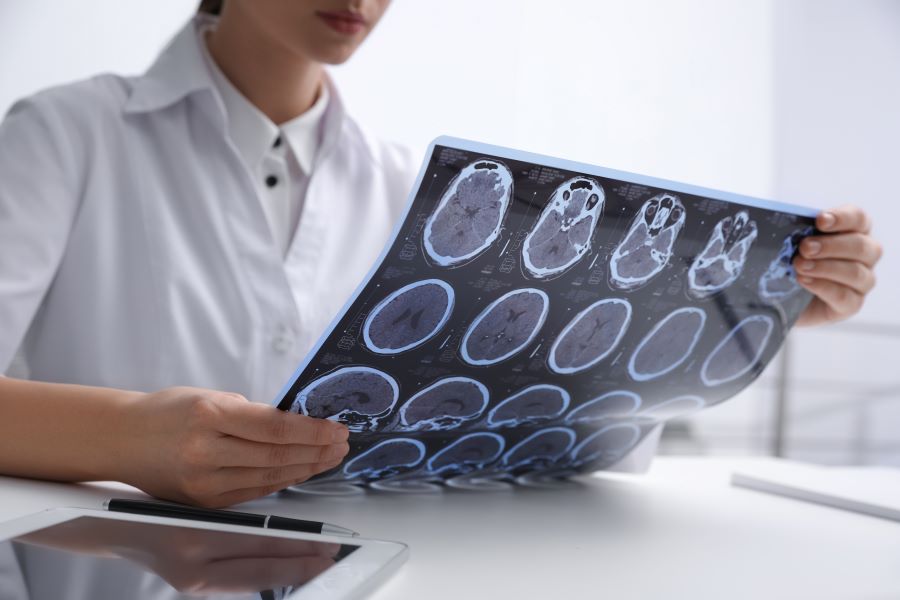
- Treatment for ischemic stroke is the use of anticoagulant drugs. However, if the symptoms are severe, surgical procedures may be used to remove the fatty deposits from the blood vessels, or a stent may be inserted to widen the narrowed vessel.
- Treatment for hemorrhagic stroke is brain surgery to control the amount of bleeding and maintain blood pressure, as well as treatment with a catheterization and embolization to seal the ruptured or leaking vessel.
Stroke Prevention
The best prevention for stroke is to control risk factors, which can be done as follows:
- Have regular annual health check-ups and screenings.
- Control blood pressure, blood sugar, and cholesterol levels to stay within the normal range.
- Maintain a healthy weight.
- Avoid consuming foods that are too sweet, fatty, or salty.
- Avoid smoking and drinking alcohol.
- Exercise regularly, at least 30 minutes per day, 3 times per week.
For anyone who wants to inquire about ischemic or hemorrhagic stroke, you can meet with a doctor for consultation and further diagnosis at the Neurology and Brain Center, Synphaet Theparak Hospital, or contact the Call Center at 02-761-5999