




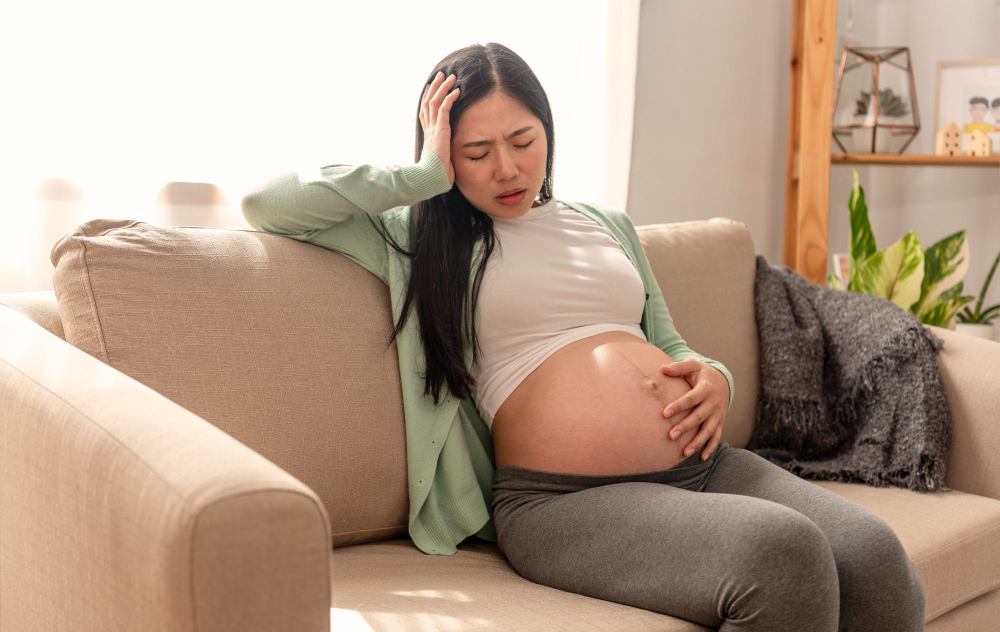
One thing that no mother wants to happen to herself is preeclampsia, which can occur throughout pregnancy and can be dangerous to the health of both mother and baby.
Self-care for Moms to Manage the Risk of Preeclampsia
The time that is very important and meaningful to a mother’s life is the period of pregnancy. And of course, the one thing that every mother doesn’t want to happen to them is complications that can occur at any time during pregnancy, which can affect the health of both the mother and the fetus. If not treated in a timely manner, it can lead to dangerous risks. Today, Synphaet Theparak Hospital would like to bring all mothers to learn aboutpreeclampsia including how to observe symptoms, as well as proper prevention guidelines, to reduce potential risks and make pregnancy a smooth and safe journey.
What is Preeclampsia?
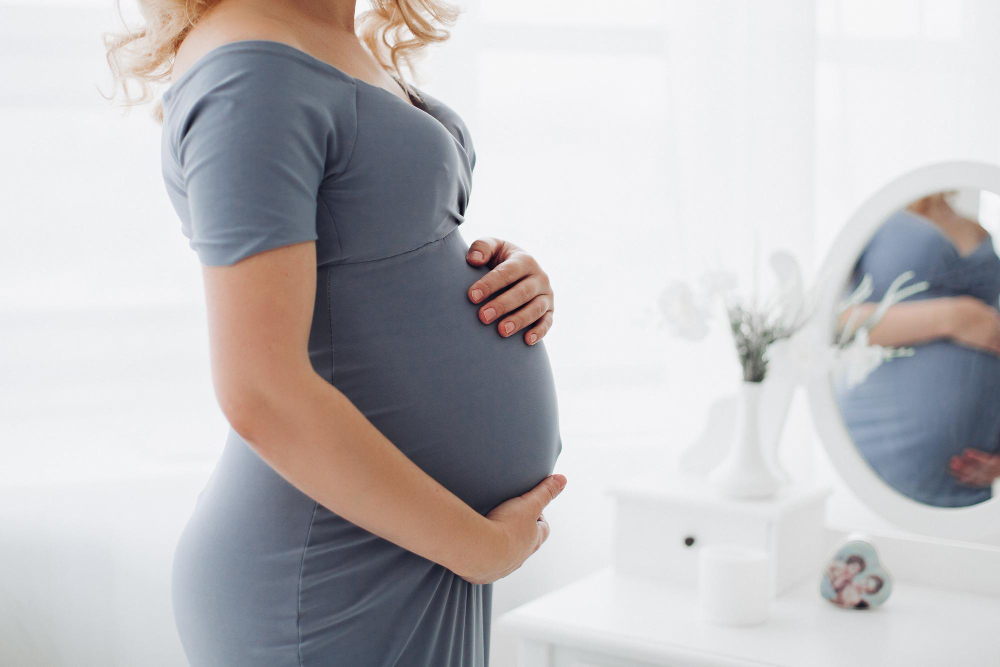
Preeclampsia is a complication that can occur during pregnancy, typically starting around 20 weeks of gestation up to about 6 weeks postpartum. This condition causes blood pressure to be higher than 140/90 mmHg, along with the complication of protein leakage in the urine.
The exact cause of this condition is not yet known, but it may be caused by the placenta not implanting firmly in the uterus, causing the fetus to not receive enough oxygen or nutrients, which can ultimately lead to the symptoms that occur.
Warning Signs of Preeclampsia
The warning signs for preeclampsia that mothers should be aware of are as follows:
High Blood Pressure
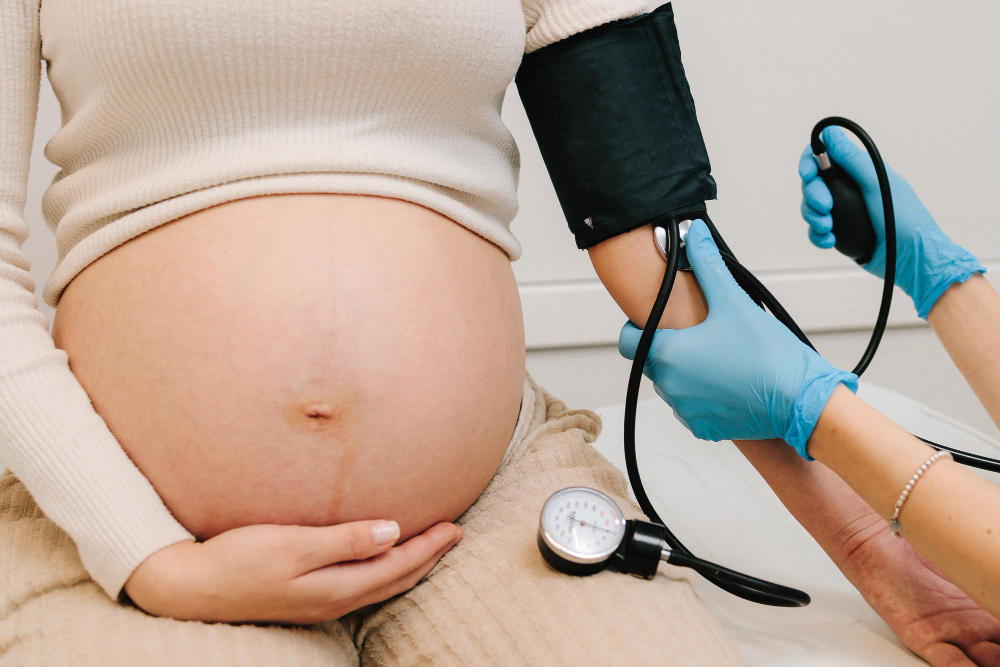
High blood pressure, with a level starting above 140/90 mmHg throughout pregnancy, which can affect other organs in the body, such as the liver, kidneys, blood vessels, and brain.
Swelling
Swelling is caused by fluid retention in the body, which is due to high blood pressure that can directly affect the kidneys and lead to swelling, especially in the hands, feet, and eventually the face.
Abnormal Weight Gain
Weight gain. This condition may cause many mothers to gain weight abnormally, which may increase by more than 1-2 kilograms per week while their food intake remains the same.
Headaches
Continuous headaches, which will feel very painful in the forehead and back of the neck, and the symptoms do not go away and cannot be relieved with painkillers.
Pain under the Ribs and Blurred Vision
Pain under the ribs can occur as a result of high blood pressure, causing liver abnormalities that lead to a feeling of fullness under the ribs, along with shortness of breath or a feeling of blurred vision and seeing flashing lights due to blood not being able to supply the retina effectively.
Slow Fetal Growth
Slow fetal growth for its age is caused by high blood pressure, which leads to poor blood circulation and results in the fetus not receiving enough oxygen or nutrients for proper growth. This can affect the baby, who may grow slowly or have a lower-than-normal birth weight.
Who is at risk?
Those who are at risk of preeclampsia often have the following factors:
- First pregnancy
- Twin pregnancy
- Pregnancy at age 35 or older
- A family history of preeclampsia
- Those who have a history of infertility
- Underlying diseases such as high blood pressure, kidney disease, thyroid disease, etc.
How to prevent preeclampsia safely?
Ways to protect yourself safely from preeclampsia are as follows:
- Prenatal care to check for the risk of complications and monitor the health of the fetus.
- Drink enough water and reduce salty foods to decrease swelling and control blood pressure levels.
- Eat nutritious food and do light exercise to strengthen the body.
Summary
Preeclampsia is a complication that can occur throughout pregnancy. It often causes abnormally high blood pressure, which can affect the mother’s health, the fetus, and other organs in the body, such as the liver or kidneys. Prevention can start with prenatal care to check for risks, as well as adjusting behaviors by drinking enough water, eating nutritious food, and doing light exercise to strengthen the body even more.