





2025 Update: Allergy Symptoms on the Rise and How to Cope in an Era of Environmental Change
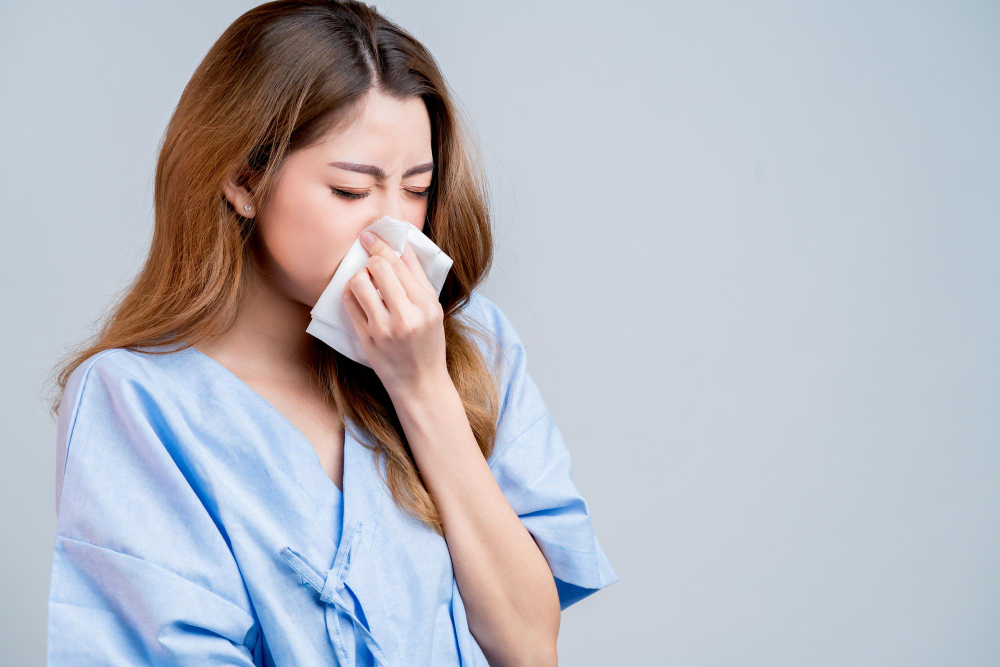
Allergy symptoms are a health issue affecting a large number of people, with a continuously growing number of patients. Amidst environmental changes, rising air pollution, shifting lifestyles, and the variety of allergens we face daily, understanding common allergy types and appropriate care and prevention is crucial for patients to live a quality life and effectively reduce the impact of allergies.
Why Are More People Getting Allergies in 2025?
Currently, “our changing environment” has a more noticeable impact on the body’s immune system. In 2025, the increase in allergy patients is related to several factors, especially:
- Air Pollution
The PM2.5 dust crisis, which remains critical in many areas, along with other air pollutants, can trigger and worsen allergy symptoms. These small particles can penetrate the respiratory system, causing inflammation and increasing sensitivity to other allergens. - Climate Change
Changing seasonal patterns, higher temperatures, and increased frequency of severe natural phenomena affect the growth cycles and spread of pollen, trees, and mold, which are major allergens. - Lifestyle Changes
Urban living involves increased exposure to new chemicals and allergens. Processed foods and stress also contribute to an increased risk of developing allergies. - Changes in Hygiene
The Hygiene Hypothesis suggests that children today are exposed to fewer germs, causing their immune systems to be more likely to react to harmless substances like pollen or food proteins, leading to allergies.
Prominent Allergies in 2025
Due to environmental and lifestyle trends, these allergy symptoms will remain a significant problem with a tendency for more cases to be reported:
Allergies from Flowers and Trees
More unpredictable seasonal changes cause some plants to have longer flowering periods or to bloom multiple times a year. This means people allergic to pollen from flowers and trees face allergy symptoms for longer periods and with greater severity.
Allergies from PM2.5 Dust
PM2.5 consists of fine particulate matter with a diameter of no more than 2.5 micrometers, which can penetrate the respiratory system, causing both short-term and long-term health effects. PM2.5 comes from both natural sources and human activities, such as fuel combustion, construction dust, and atmospheric chemical reactions. The current increase in construction and pollution leads to more people developing allergies from this cause.
Food Allergies
Food allergies are a common and growing problem in both children and adults. Common allergenic foods include cow’s milk, eggs, nuts, wheat, fish, and seafood. Being aware of food allergy symptoms and carefully reading food labels is extremely important.
Indoor Allergies
Indoor allergens are other environmental factors that typically occur inside the home, such as dust mites, pet dander, and mold. They remain a major cause of respiratory allergy symptoms. Regular house cleaning, using air purifiers, and proper pet management can help reduce indoor allergies.
What Symptoms Need Special Attention in 2025?
Although general allergy symptoms are not severe, some should be monitored closely as they could be signs of a severe allergic reaction (anaphylaxis). Allergy sufferers should pay special attention to these symptoms and see a doctor immediately if they occur:
- Difficulty breathing, wheezing, chest tightness, dizziness, fainting, shock, loss of consciousness.
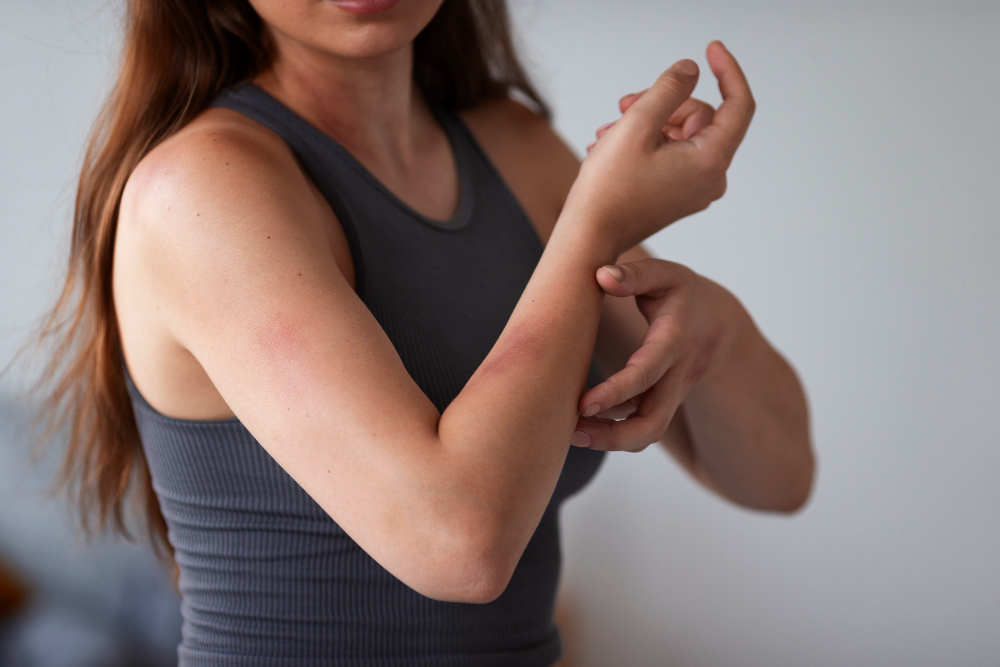
- Severe red rash, swelling, itching, or clear blisters.
- Symptoms flare up more frequently or are more severe than before.
- Allergy medication does not improve symptoms, or symptoms worsen.
Easy Self-Care Tips Everyone Can Follow
Allergy symptoms should be managed by a doctor, but daily self-care is also important for controlling them:
- Avoid allergens you are sensitive to, such as dust, pollen, pet dander, or certain foods.
- Clean your home regularly, such as vacuuming, and washing bed linens and curtains to reduce dust mites and indoor allergens.
- Use an air purifier with a HEPA filter, which can help filter PM2.5 dust and other allergens from the air.
- Wear a mask when in areas with a high concentration of dust. A mask can help filter PM2.5 and pollen.
- Nasal irrigation with saline solution can help wash out allergens and reduce nasal congestion and a runny nose.
- Get enough rest and exercise regularly to help your immune system function effectively.
- Consult a doctor for proper treatment and strictly follow the prescribed medication instructions.
Where to Get Treated for Allergies?
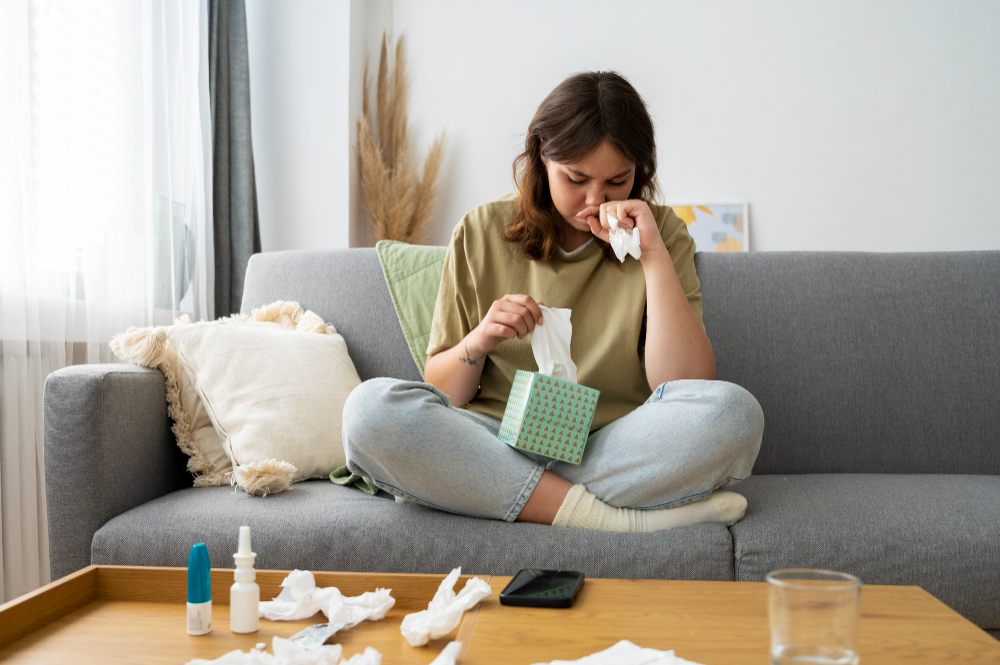
Treatment for allergy symptoms should be under the care of a specialist in allergies and respiratory diseases. Synphaet Hospital provides comprehensive, well-equipped, and effective treatment, starting from diagnosing the cause, conducting allergy tests, and creating a personalized treatment plan, including counseling on behavioral and environmental adjustments to reduce risks.