






Inviting expectant mothers to check the signs that may indicate pregnancy, along with 4 pregnancy testing methods to help new moms-to-be prepare for a healthy and complete pregnancy journey.
For women who have been trying to conceive with their partner for some time, a missed period can be a sign of pregnancy. To know for sure, you’ll need a pregnancy test. Today there are 4 main ways to test. This article explains four pregnancy testing methods to confirm the start of motherhood—let’s see what they are.
Signs That May Indicate Pregnancy
- Missed period
- Feeling unwell with unusual symptoms such as nausea or vomiting, even from familiar smells
- Breast changes such as soreness, tenderness, tightness, or increased size
- Bloating and indigestion
- Mood swings
- Easily tired, fatigued, sleepy all the time
- Frequent urination
4 Pregnancy Test Methods Every New Mom Should Know
- At-home pregnancy testing
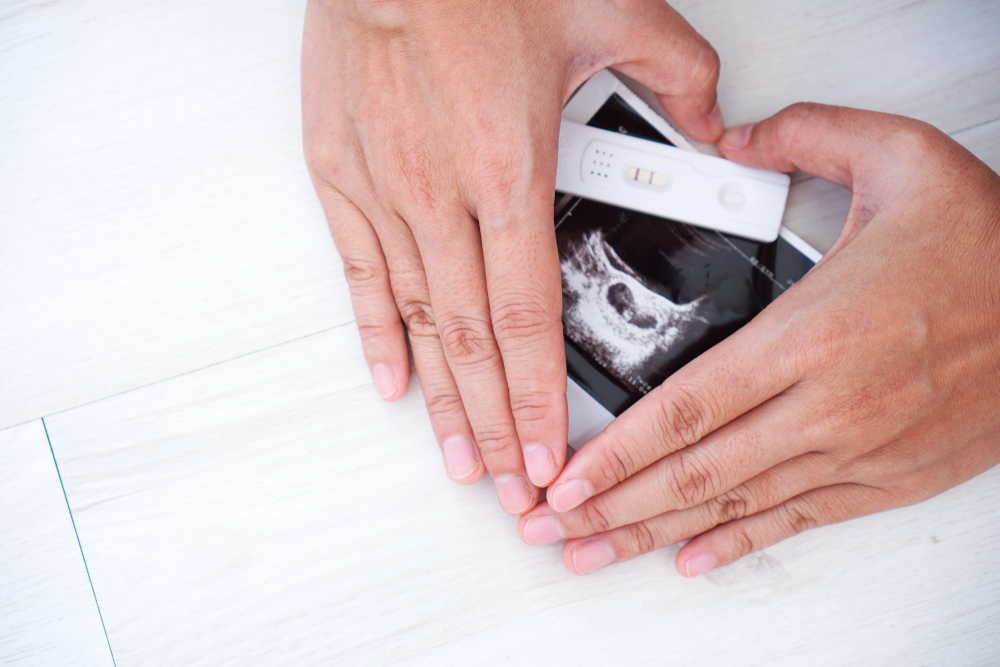
If you notice unusual symptoms that could signal pregnancy, the quickest option is an at-home test kit available at pharmacies and convenience stores. Common types are dipstick tests and midstream “pen-style” tests.
- Dipstick test
A dipstick kit includes a urine cup and a test strip. Urinate into the cup, then dip the strip without exceeding the marked line. Leave it immersed for about 3 seconds, remove it, lay it flat, and read the result after about 5 minutes.
- Pen-style test
The midstream pen is another convenient self-test. Hold the device with the arrow pointing downward, and urinate directly onto the absorbent tip below the arrow for about 5–30 seconds until saturated. Place it on a flat surface and read the result after about 5 minutes.
- Laboratory urine testing
This method resembles self-testing. You provide a urine sample in a hospital container; the lab then performs a dip test and the result is read by trained medical technologists.
- Blood test
If you need confirmation beyond an at-home result, a blood test offers the highest accuracy. It can detect pregnancy as early as 2 weeks after fertilization, helping parents plan early prenatal care.
- Ultrasound
Another effective method is ultrasound. High-frequency sound waves create images on a screen for the obstetrician to interpret. Ultrasound determines whether the pregnancy is intrauterine or ectopic and can detect issues such as ovarian cysts or uterine fibroids. From around 4 months, it can also reveal the baby’s sex and screen for certain abnormalities.
What to Do After You Learn You’re Pregnant
- Start antenatal care at a hospital
Once pregnancy is confirmed, book antenatal care so the doctor can take your history, perform a general exam, and date the pregnancy. You’ll receive guidance tailored to each stage and learn what symptoms to expect and how to manage them until delivery.
- Take care of yourself appropriately
After confirmation and booking care, begin preparing for birth. Ask your doctor about suitable nutrition and exercise. Maintain good hygiene and manage stress. Be extra cautious with medicines, chemicals, and cosmetics—what you take in can affect your baby. If unsure, consult your doctor first for the safety of both mother and child.
Prepare for a healthy pregnancy with the antenatal care package at Synphaet Ramintra Hospital. Our obstetric specialists provide trusted care from the first positive test through delivery.
Book a package online or contact the Call Center at 1535