






Hallux valgus, or bunions, can cause pain and affect daily life. Learn about the causes, symptoms, treatment, and prevention of bunions here.
What causes a deviated big toe or a protruding foot bone that makes the foot look misshapen? How does it affect daily life, and what are the treatment and prevention options? This article has the answers.
Characteristics of a deviated/protruding big toe joint
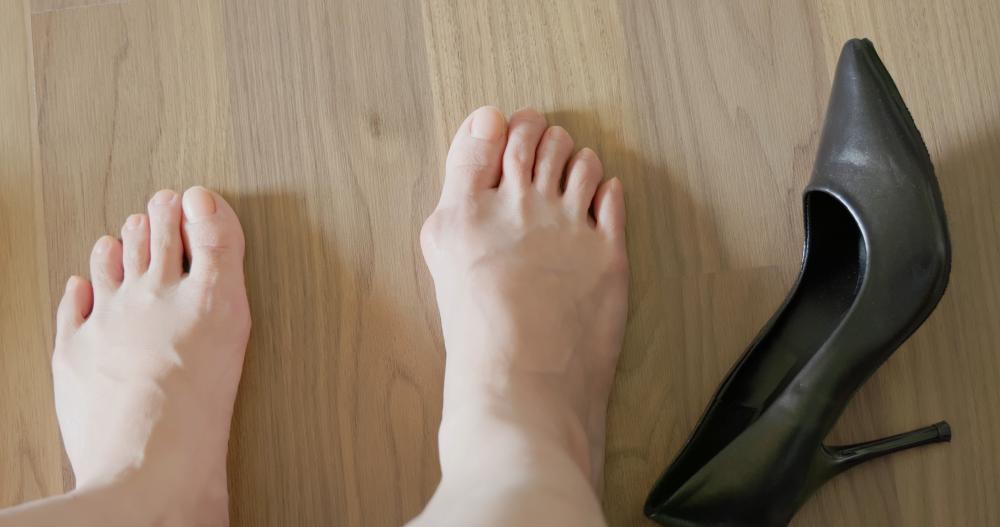
A deviated big toe joint, or Hallux Valgus, is a structural deformity in which the big toe drifts toward the second toe and the inner base of the big toe protrudes. This creates a visible bump at the big toe joint.
Hallux valgus with a protruding bone typically presents with:
- The big toe tilting toward the second toe
- A bony bump at the inner base of the big toe
- Inflamed, red, and swollen skin over the bump
- Pain when wearing shoes or after prolonged walking
How common is a deviated/protruding big toe joint?
Hallux valgus or bunions are common—affecting about 10–15% of the general population—and are seen more often in women than men.
Causes of a deviated/protruding big toe joint
Genetics
Because bunions involve bone and foot structure, a family history increases the likelihood of developing hallux valgus or a bony prominence.
Inappropriate footwear
Regularly wearing narrow toe boxes or high heels compresses the toes, gradually pushing the big toe toward the second toe.
Injury
Trauma to the big toe or its base joint can alter alignment and lead to this condition.
Arthritis
Rheumatoid arthritis or gout can inflame and change the joint, eventually causing hallux valgus.
Symptoms and daily-life impact of a deviated/protruding big toe joint
Pain and inflammation
Pain and inflammation are common. The bony bump often becomes painful, swollen, red, and warm—especially in tight shoes or after long periods of walking.
Difficulty moving
A bunion can limit big-toe motion, affecting balance and gait. Jobs requiring prolonged standing or walking may become uncomfortable and exercising can be harder.
Trouble finding shoes
Because the bump sticks out, finding properly fitting, comfortable shoes is challenging. Ill-fitting footwear can aggravate pain at the bump.
Psychological effects
Some people feel self-conscious about the appearance of their feet, affecting shoe choices and clothing.
Complications
Without treatment, bunions can lead to other problems, such as pressure sores from the big toenail rubbing against the adjacent second toe and soft tissue.
Treatment options for a deviated big toe
Management falls into two main categories:
Non-surgical treatment
Non-operative care aims to reduce pain and slow progression, such as:
- Choosing wide, cushioned footwear to reduce friction over the bump
- Taking anti-inflammatory medication as prescribed by a doctor
- Using a gel toe spreader to separate the toes and relieve symptoms
- Physical therapy to reduce pain and lower the chance of further deviation
Surgical treatment
If the bunion significantly interferes with daily life, surgery may realign the bone, remove the prominence, and narrow the forefoot. Surgery is considered only when clearly indicated.
How to prevent a deviated big toe
- Choose appropriate footwear with a wide toe box that does not squeeze the toes and avoid excessively high heels
- Maintain a healthy weight to reduce pressure on the feet
- Improve standing and walking posture—avoid standing in one position for long periods and distribute weight evenly across the foot while walking
- Regularly massage and stretch foot muscles to improve flexibility and reduce tightness
- Consider orthotic insoles if you have flat feet or high arches
- Monitor changes in your feet and consult a doctor if abnormalities appear
Hallux valgus can be treated with both surgical and non-surgical methods. If you notice signs of a deviated big toe, consult an orthopedic specialist at Synphaet Ramintra Hospital. Book online or contact Call Center: 1535