






Chronic lower abdominal pain or unusual symptoms such as an abdominal mass, blood in the stool, or unexplained weight loss may indicate several serious conditions. You should see a doctor promptly before the symptoms worsen.
Chronic pelvic pain is a condition caused by abnormalities of organs within the pelvis—such as the uterus, ovaries, fallopian tubes, bladder, and distal colon. The pain is felt below the navel and often persists for 6 months or longer. It may be intermittent or linked to menstruation. It most commonly affects women of reproductive age and can signal several serious diseases, which we discuss in this article.
Diseases that cause chronic pelvic pain in women
Although chronic lower-abdominal pain can look similar on the surface—constant pain, on-and-off pain, or pain related to menstruation—the causes vary. The main causes are abnormalities of pelvic organs including the uterus, ovaries, fallopian tubes, cervix, vagina, bladder, urethra, distal colon, and muscles. Common underlying conditions include:
Gynecologic conditions
These involve the female reproductive system and genital organs. Gynecologic causes of chronic pelvic pain include endometriosis, pelvic adhesions, adnexal masses, and pelvic inflammatory disease (PID).
Urinary tract conditions
Abnormalities of the urinary system can also cause pelvic pain, such as cystitis, bladder cancer, and bladder pain syndrome/interstitial cystitis. These often present with urinary frequency and incomplete emptying.
Gastrointestinal conditions
Digestive disorders that may cause chronic pelvic pain with constipation or diarrhea include irritable bowel syndrome (IBS), inflammatory bowel disease (IBD), colorectal cancer, and diverticulitis.
Musculoskeletal abnormalities
Issues of the bones and muscles in the lower abdomen—due to poor movement mechanics, fibromyalgia, or abdominal wall pain—can irritate pelvic muscles and nerves, leading to pelvic pain.
Psychosocial factors and traumatic experiences
Physical assault, sexual abuse, negative experiences with pelvic examinations, as well as stress, anxiety, and depression can have long-term psychological effects and contribute to chronic pelvic pain.
Chronic pelvic pain or these symptoms? See a doctor promptly
Women’s internal health is more complex than many realize. Along with persistent pelvic pain, watch for the following warning signs:
- A palpable mass in the abdomen, pelvis, or bowel
- Blood in the stool or urine
- Abnormal bowel habits, such as chronic alternating constipation and diarrhea
- Unexplained weight loss
- Abnormal vaginal discharge—excess volume, odor, or color changes
- Severe abdominal pain that is intolerable
- Bleeding or pain after sexual intercourse
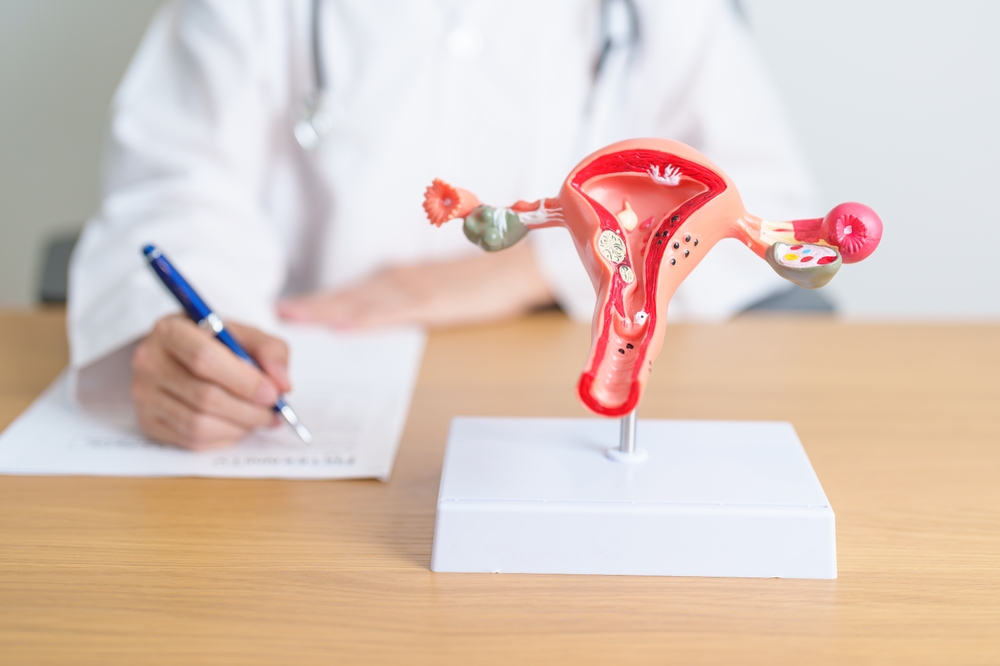
How chronic pelvic pain is diagnosed
For initial evaluation, physicians will take a detailed history and perform a general physical exam, review past health issues, and improve diagnostic accuracy with tests such as pelvic examination, vaginal swab testing, urinalysis, pelvic ultrasound, lower GI endoscopy to assess the colon and rectum, and CT scan. Factors commonly considered include:
- Pain location — muscle pain is often well localized, while organ-related pain is harder to pinpoint
- Duration — how long the pain has been present and how frequent it is
- Triggers — e.g., sexual activity or movement
- Associated symptoms — e.g., relation to menstruation, eating, or bowel movements
How is chronic pelvic pain treated?
Once the true cause is identified, treatment is tailored to the diagnosis and symptoms. Common approaches include:
- Medications such as analgesics, anti-inflammatory drugs, and muscle relaxants; for pain linked to trauma or stress, referral to a psychiatrist may be considered for co-management
- Pelvic floor physical therapy to relieve chronic myofascial pain
- Surgery when masses or lesions are found in pelvic organs
- Other interventions such as injections, spinal cord stimulation, acupuncture, and bowel retraining
If you have chronic pelvic pain and want accurate diagnosis and a treatment plan, consult our specialists at the Obstetrics & Gynecology Department, Synphaet Ramintra Hospital. We offer modern, internationally accredited medical technology and 24/7 care. Schedule an appointment with a specialist or
For more details, call our Call Center at 1535