





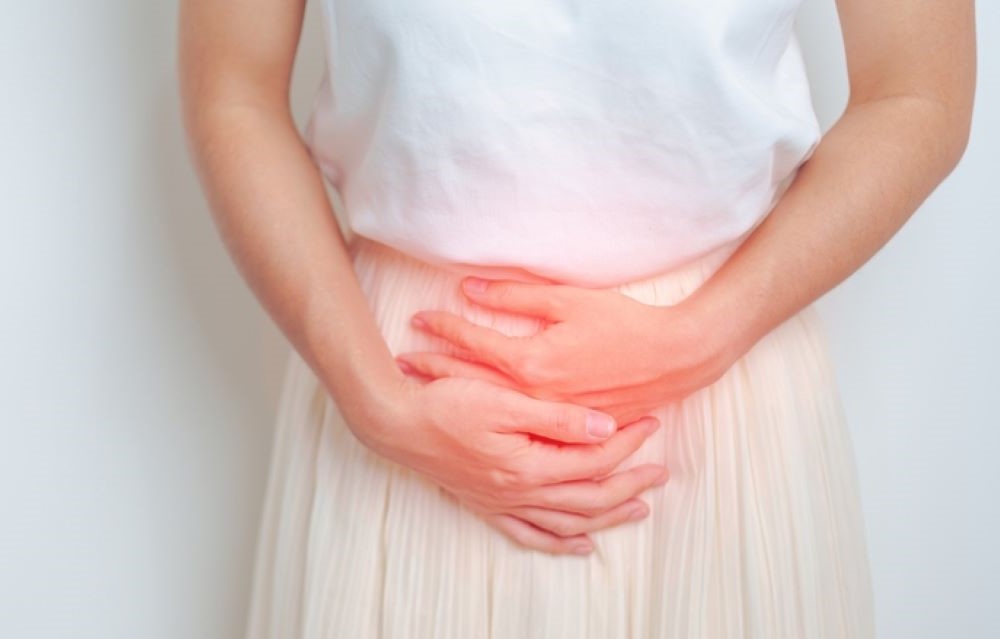
Learn about the symptoms, causes, and prevention of postpartum hemorrhage. Stay informed to protect maternal health after childbirth.
Postpartum Hemorrhage: Symptoms, Causes, and Prevention
Before childbirth, if not careful, many risks may arise. Even after delivery, mothers must remain cautious as postpartum hemorrhage can occur. In this article, we’ll explore its symptoms, stages, and prevention.
What is Postpartum Hemorrhage?
Postpartum hemorrhage refers to blood loss of 500 ml or more after vaginal delivery and 1,000 ml or more after cesarean section. It is diagnosed when excessive bleeding symptoms appear, such as rapid heartbeat, dizziness, or restlessness, potentially leading to shock.
Postpartum Hemorrhage and Effects of Blood Loss
- Severe blood loss affects body cells, causing oxygen deficiency and imbalance.
- Direct impact on the hypothalamus and pituitary gland, affecting postpartum hormones.
- Complications may include Sheehan’s syndrome, severe anemia, shock, disability, or death.
Stages and Causes of Postpartum Hemorrhage
If you’re wondering about the stages of postpartum hemorrhage and their causes, they are generally categorized into two types: acute and delayed. Each has distinct causes:

1. Acute Postpartum Hemorrhage
Acute postpartum hemorrhage occurs within 24 hours of delivery. Causes include:
- Poor uterine muscle contraction (most common cause)
- Vaginal or cervical tears during delivery
- Retained placental tissue or membranes in the uterus
- Abnormal blood clotting
This often occurs while the mother is still hospitalized, under close care by medical staff.
2. Delayed Postpartum Hemorrhage
Delayed postpartum hemorrhage occurs from 24 hours up to 12 weeks after delivery. The two main causes are:
- Infection (most common)
- Retained placental tissue or membranes (can occur in both acute and delayed phases)
Prevention and Treatment of Delayed Postpartum Hemorrhage
As this phase happens post-discharge, mothers must self-monitor. If symptoms appear, the following treatments are used:
- If caused by uterine infection, antibiotics will be administered.
- If due to retained placenta, uterine stimulants and antibiotics may be prescribed; curettage may be considered.
- If vaginal tears are present, surgical repair is performed.
- In cases of heavy bleeding, blood transfusions may be required.
After childbirth, mothers should not ignore unusual bleeding, whether immediate or up to 12 weeks later. Consult a doctor and receive an internal examination at Synphaet Hospital Nakhon Pathom. Our obstetrics and gynecology department provides expert care with modern equipment.
For more information or to make an appointment, call 034-271-999