





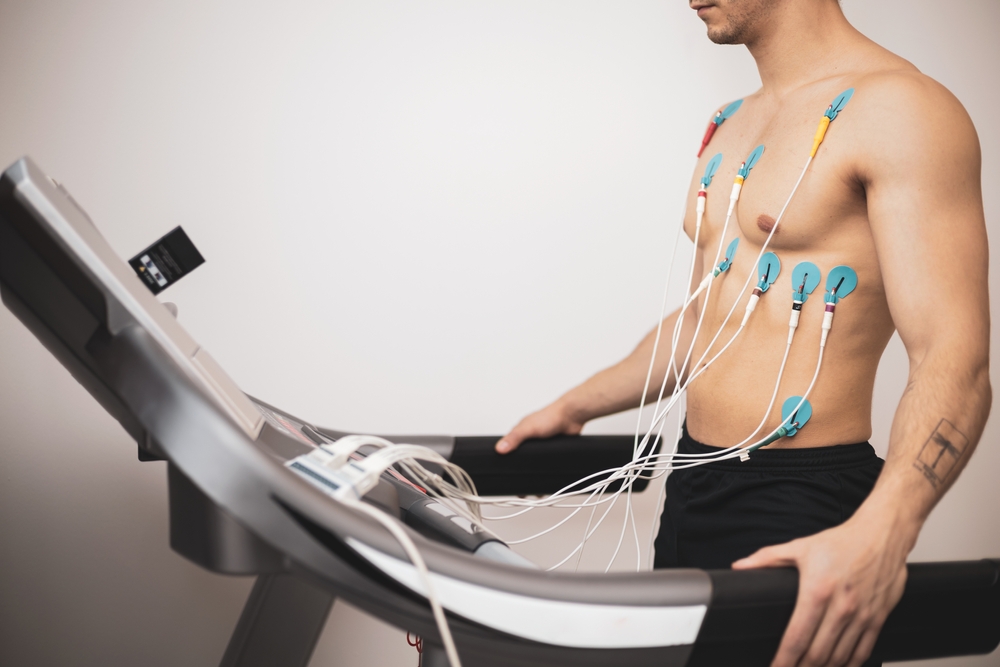
Learn how an Exercise Stress Test (EST) can help detect heart disease early, who it's for, its benefits, steps, and how to prepare effectively.
Exercise Stress Test: A Key to Heart Disease Detection
Every year, various heart diseases—such as ischemic heart disease and arrhythmias—claim the lives of many Thai people, and this number continues to rise steadily.
To reduce preventable deaths, regular heart health monitoring is essential. One popular method is the Exercise Stress Test (EST), which helps detect abnormalities early and enables doctors to diagnose, prevent, and treat heart disease effectively.
What is an Exercise Stress Test (EST)?
An Exercise Stress Test (EST) evaluates heart function through physical activity, usually by walking or running on a treadmill. The treadmill’s speed and incline increase gradually. During the test, doctors monitor heart activity via an electrocardiogram (ECG), measure blood pressure, and observe the patient’s symptoms.
This treadmill test allows doctors to assess how the heart performs under physical stress, revealing abnormalities that might not be detectable at rest, such as poor blood flow to the heart muscles or irregular heart rhythms. This test helps accurately diagnose heart conditions and allows physicians to tailor individual health plans.
Who Should Consider an Exercise Stress Test?
Treadmill stress testing is suitable for several groups of people:
- Individuals experiencing chest pain or shortness of breath during exercise
- Those with a family history of ischemic heart disease
- People with heart disease risk factors such as hypertension, diabetes, high cholesterol, or smoking
- Those wanting to assess fitness before starting an exercise program
- Patients who have undergone treatment for ischemic heart disease and need follow-up
What Are the Benefits of an Exercise Stress Test?
There are several advantages of an EST:
- Helps diagnose heart conditions like coronary artery disease or arrhythmias
- Assesses the severity of existing heart conditions
- Compares pre- and post-treatment results to optimize treatment strategies
- Guides doctors in recommending safe and effective exercise plans for each patient

Steps in an Exercise Stress Test
The Exercise Stress Test process includes:
- Medical history review, medication check, and basic physical exam by a doctor
- Placement of ECG electrodes on the chest and blood pressure cuff
- Resting ECG and blood pressure readings taken by the technician
- Begin walking or running on the treadmill, increasing speed and incline every 3 minutes
- Continuous monitoring of ECG, blood pressure, and symptoms by the doctor
- Test continues until target heart rate is achieved or symptoms necessitate stopping
- Post-exercise monitoring of ECG and blood pressure
- Doctor interprets and explains the test results
How to Prepare for an Exercise Stress Test
Proper preparation is essential for an accurate test. Follow these guidelines:
- Fast for at least 3 hours before the test; avoid caffeine for at least 12 hours
- Do not smoke for at least 12 hours before the test
- Inform your doctor about all regular medications and follow instructions regarding medication on the test day
- Wear comfortable clothes and shoes suitable for exercise
- Get adequate rest the night before the test
If you’re concerned about heart health or have risk factors, consult a doctor for an EST. It can help you understand your heart’s condition and plan your healthcare accordingly. If you’re looking for a heart center in Nakhon Pathom, Synphaet Hospital Nakhon Pathom offers expert staff and cutting-edge technology for high-quality, safe EST services. For more information or to make an appointment, contact our Call Center at 034-271-999 — available 24/7.