





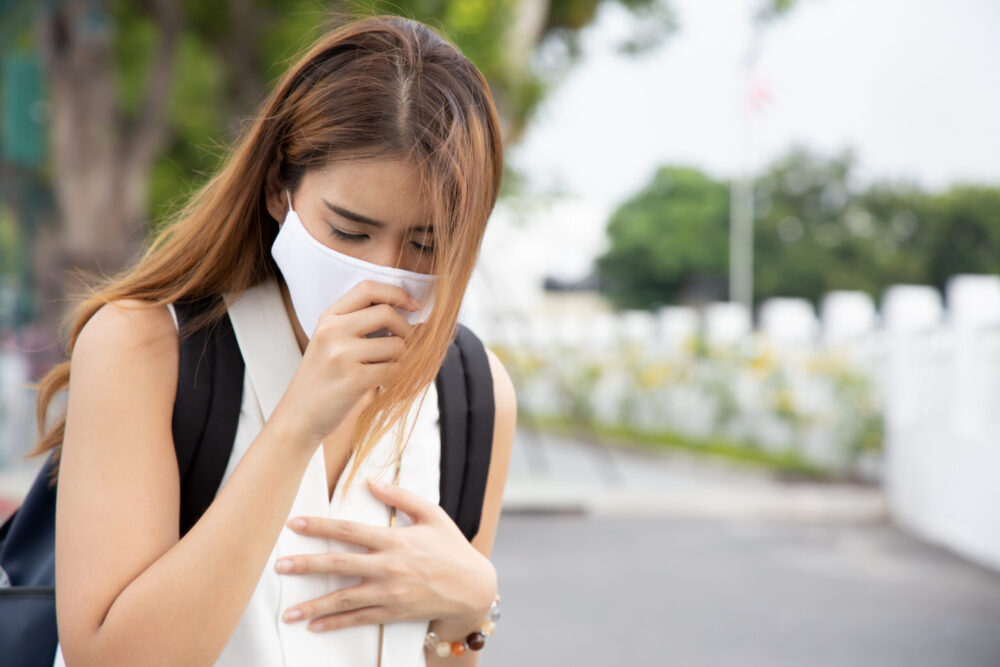
Pneumonia: The Silent Threat from Cold Weather and PM2.5 – Know the Risks Before It Leads to Lung Cancer
During periods of frequent weather changes, especially when entering winter, what often accompanies the cold air is “PM2.5 dust,” a major trigger for respiratory diseases, particularly “Pneumonia.” If left chronic, it can become the starting point for serious diseases like lung cancer.
What is Pneumonia?
Pneumonia is an infection or inflammation of the lung tissue, including the alveoli (air sacs), making oxygen exchange more difficult. This results in the body not receiving enough oxygen.
Why are Cold Weather and PM2.5 Scary?
-
Cold Weather: Low humidity and dropping temperatures allow certain viruses and bacteria to spread more easily. Furthermore, the respiratory immune system functions less effectively when exposed to extreme cold.
-
PM2.5 Dust: With a size smaller than 2.5 microns, these particles can bypass nasal hairs and reach the “alveoli” directly. PM2.5 not only causes irritation but also carries toxins, heavy metals, and carcinogens into the bloodstream and lung tissue.
From Pneumonia to Lung Cancer
Inhaling PM2.5 dust continuously for a long period causes “Chronic Inflammation” at the cellular level. When lung cells are damaged and repeatedly attempt to repair themselves under toxic conditions, DNA mutations can occur, eventually turning into cancer cells. Research has found that people living in areas with high air pollution have a significantly increased risk of developing lung cancer, even if they are non-smokers.
Checking Symptoms… What Does Pneumonia Look Like?
If you have these symptoms after exposure to cold weather or dust and smoke, you should see a doctor immediately:
-
Cough with phlegm (phlegm may be green, yellow, or blood-stained)
-
High fever and chills
-
Shortness of breath or difficulty breathing
-
Chest pain when inhaling or coughing
-
Severe fatigue
Who Is in the High-Risk Group?
-
Young children and the elderly (65+): Due to immune systems that are either not yet fully developed or are beginning to decline.
-
People with chronic diseases: Such as asthma, Chronic Obstructive Pulmonary Disease (COPD), heart disease, or diabetes.
-
Outdoor workers: Those with prolonged direct exposure to PM2.5 dust.
Prevention and Self-Care
-
Check air quality daily: If PM2.5 levels are in the orange or red zones, avoid outdoor activities.
-
Wear an N95 mask: When going outside; regular surgical masks cannot sufficiently filter PM2.5.
-
Install air purifiers: To reduce dust levels within your home.
-
Get vaccinated: Annual flu vaccines and the Pneumococcal vaccine are recommended.
-
Boost immunity: Eat foods rich in antioxidants, such as leafy greens and berries, to help reduce inflammation in the body.
References