






What Causes Food Poisoning and How Can It Be Prevented and Treated?
Food is one of the four essential needs that every human cannot live without because it provides energy and nutrients to nourish various organs in the body to function normally. However, sometimes consuming contaminated food or improperly prepared meals can be harmful to our bodies, eventually causing food poisoning.
In this article, we invite everyone to learn about the causes, symptoms of food poisoning, and treatment methods, including what to avoid to stay safe from food poisoning. Let’s follow along.
What is Food Poisoning and What Are Its Symptoms?
Food poisoning is a condition where the body ingests contaminated food or water, leading to abnormal symptoms within 24 hours. Patients suffering from food poisoning may experience the following symptoms:
- Nausea and vomiting
- Abdominal pain
- Diarrhea or loose stools
- Fever
- Chills
- Fatigue
- Headache
Causes of Food Poisoning
As mentioned, food poisoning occurs due to ingesting germs from food or water, which may result from various factors, such as:
- Unsanitary food preparation, including using unclean ingredients or surfaces
- Insufficient cooking temperature or leaving food at temperatures suitable for bacterial growth
- Using chemicals in food carelessly, such as excessive preservatives to maintain freshness
It is clear that the main cause of food poisoning is negligence in choosing what to eat. Many people might think that Thailand’s hot weather can kill germs, but actually, temperatures between 25-40 degrees Celsius in our climate are ideal for bacterial growth. Therefore, we must be very careful about contamination in our food.
Serious Symptoms That Require Immediate Medical Attention
Generally, food poisoning symptoms vary among individuals, but if severe symptoms appear, medical treatment should be sought immediately, such as:
Severe diarrhea with blood or mucus
- Severe vomiting preventing food intake
- Severe dehydration symptoms such as dry mouth, dry throat, reduced and dark urine, fatigue, dizziness, fainting
- Weakness in limbs, difficulty breathing
- Symptoms lasting more than 48 hours
- High fever above 38.9 degrees Celsius
Treatment for Food Poisoning
Most cases of food poisoning will recover on their own if symptoms are not severe. Initial treatment according to symptoms includes:
- Get enough rest to help the body recover
- Drink oral rehydration solutions to replace fluids and electrolytes lost from vomiting and diarrhea
- Eat soft, easily digestible foods such as rice porridge, congee, and soup; avoid spicy, fried, oily, raw foods, milk, coffee, and tea
- Doctors will provide symptom-based treatment
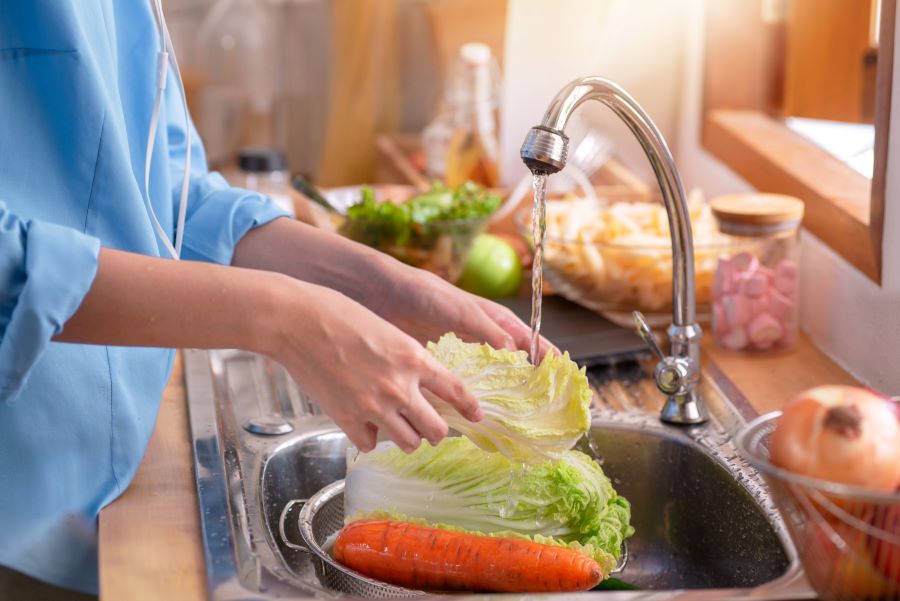
How to Live Safely Away from Food Poisoning?
By this point, many might wonder what to eat to prevent food poisoning. We can easily do so by changing our eating habits, starting with:
Avoid Eating Raw or Undercooked Food
Eating raw or undercooked food often risks contamination because some germs can survive relatively high temperatures. Cooking with insufficient heat or too quickly might not eliminate all germs. The best practice is to ensure that any food you consume is thoroughly cooked for your safety.
Choose Only Freshly Prepared Food with Proper Hygiene
Of course, choosing freshly prepared food helps prevent food poisoning. In the cooking process, you should start by selecting ingredients from trustworthy sources, checking for freshness and absence of unpleasant odors. Also, maintain cleanliness throughout preparation, cooking, and food storage by following these guidelines:
- Preparation: Ensure that the workspace, ingredients, and kitchen tools are clean and meet hygiene standards. Wash hands thoroughly at every step, especially before and after handling raw meat, to prevent germ spread.
- Cooking: Cook food thoroughly to a temperature above 70 degrees Celsius to kill germs. This applies not only to freshly cooked meals but also to reheating prepared food.
- Food Storage: Store regular food at 4 degrees Celsius or lower. For freezing, keep temperatures below -18 degrees Celsius. Food should be tightly sealed in zip-lock bags or airtight containers to reduce bacterial growth.
Wash Hands Before Eating and After Contact with Contaminants
Hands frequently touch various surfaces and can easily carry germs. Washing hands regularly before meals and after handling potential contaminants is an effective way to prevent germ transmission. Be sure to scrub with soap thoroughly, especially between fingers, under nails, and on the backs of hands, to reduce risks of unexpected contamination.
Now that you know how to protect yourself from food poisoning, if you accidentally experience symptoms, do not delay. Get proper diagnosis and treatment at the Gastroenterology and Abdominal Pain Center at Synphaet Lamlukka Hospital, where expert gastroenterologists provide safe care using modern laboratory standards and equipment. You can schedule an appointment online or consult further at 02-006-9999.