





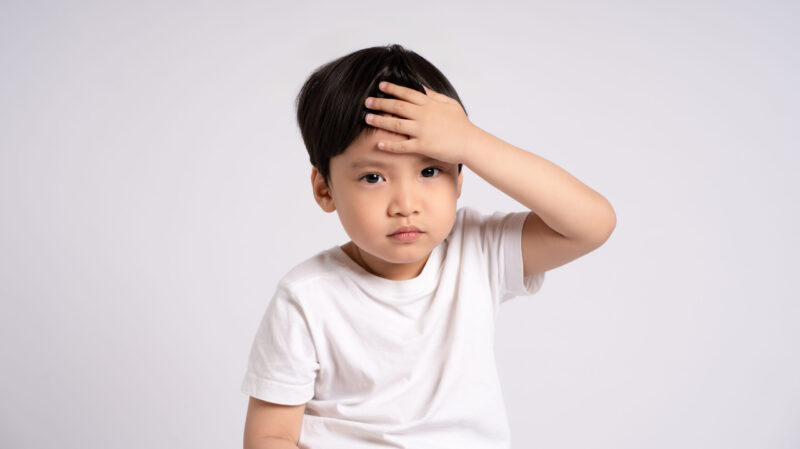
Child Head Injury: Dangerous Symptoms Within 72 Hours
One of the most common accidents in children involves falls—whether slipping, falling down stairs, climbing, or tripping while running. Although some children may appear fine at first, the real danger lies in the “complications that may develop within 72 hours after the impact,” which can affect the brain if parents are unaware.
Why Are the First 72 Hours Important?
After the head is impacted, the brain may suffer a concussion or internal injury, potentially leading to conditions such as:
- Brain swelling
- Brain hemorrhage
- Abnormal nervous system function
These symptoms may not appear immediately but usually develop within the first 6–72 hours, which is a “golden period” for parents to closely monitor.
Symptoms to Watch for After a Head Injury
- Physical symptoms
- Repeated vomiting (more than 2–3 times)
- Unsteady walking or loss of balance
- Seizures or muscle spasms
- Weakness or abnormal movement in arms or legs
- Severe headache that does not ease
Neurological and Behavioral Symptoms
- Decreased consciousness, unusual drowsiness, difficult to wake
- Slow responses, incoherent speech
- Unequal pupil size or blurred vision
- Clear behavioral changes, such as unusual irritability or silence
External Signs
- Bruising around the eyes, ears, or behind the ears
- Blood or fluid leaking from the ears or nose
Basic First Aid Guidelines
- Stop all activities immediately and have the child sit or lie down in a safe position
- Perform a basic physical check for cuts, bleeding, or swelling
- Apply a cold compress or ice pack wrapped in cloth to the swollen area for 10–15 minutes
- Do not allow the child to sleep immediately; observe symptoms for at least 2–4 hours before sleeping
- Wake the child every 2–3 hours during the first night to check for normal responses
If any concerning symptoms appear as mentioned above, or if parents are unsure, seek medical attention immediately without waiting for the full 72 hours.
Especially for young children under 2 years old or children with a history of brain disorders, extra caution is necessary.