





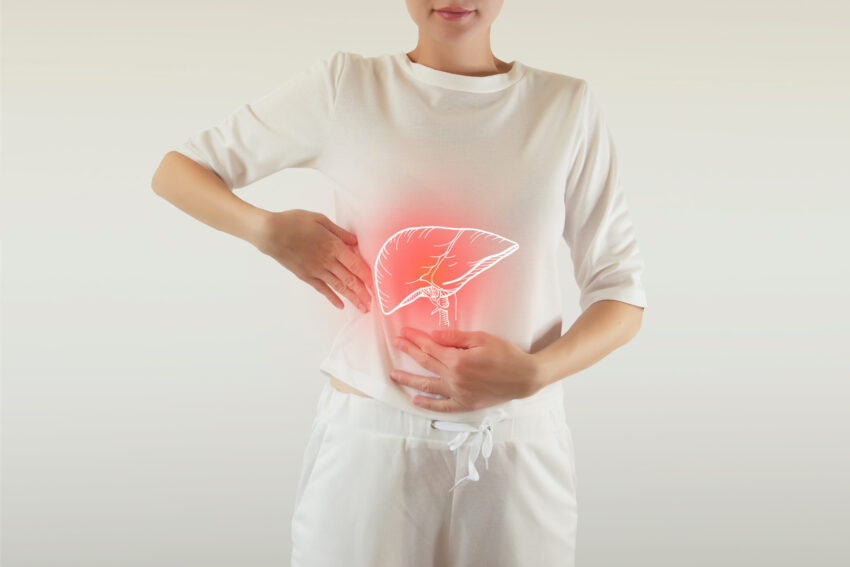
Warning Signs! “Hepatitis” Could Lead to “Liver Cancer” You Should Not Overlook
The liver is a vital organ responsible for many functions in the body, such as detoxification, bile production, and energy storage. When the liver becomes inflamed, known as “hepatitis,” if left untreated, it can lead to serious complications like “cirrhosis” and “liver cancer.” Particularly, hepatitis B and C virus infections are the main causes of this problem. This article provides information on the warning signs of hepatitis, its connection to liver cancer, and self-care guidelines to reduce risks.
What is Hepatitis and Why is it Dangerous?
Hepatitis is a condition where the liver becomes inflamed and damaged, which can be caused by various factors such as viral infections (hepatitis viruses A, B, C, D, E), excessive alcohol consumption, certain medications, or fatty liver disease. Chronic inflammation over a long period damages liver cells and leads to fibrosis, which can progress to cirrhosis and eventually liver cancer.
Hepatitis viruses, especially types B and C, are silent threats that lead to liver cancer. Hepatitis B and C viruses are major causes of chronic hepatitis and the primary risk factors for liver cancer. Most patients show no symptoms in the early stage, resulting in unawareness of infection and delayed treatment until the disease becomes severe.
Warning Signs That May Indicate Liver Problems
In the early stages, patients with chronic hepatitis or liver cancer may have no clear symptoms or only mild, general symptoms that are often overlooked. However, as the disease progresses, these dangerous signs may be noticed:
- Unusual fatigue and weakness: Feeling tired all the time even after enough rest
- Loss of appetite, nausea, vomiting: Eating less, feeling unwell, nausea, or vomiting
- Unexplained weight loss: Rapid weight loss without trying
- Yellowing of the skin and eyes (jaundice): Yellow color of skin and whites of the eyes caused by bilirubin buildup
- Darker urine color: Urine appears dark like tea
- Pain or discomfort in the upper right abdomen: Tightness or pain that may radiate to the right shoulder or under the right shoulder blade
- Swollen abdomen or palpable hard lumps near the liver: Occurs if cancer grows large enough to cause swelling or lumps
Warning: If you experience any of these symptoms, even mildly, consult a doctor immediately for a detailed diagnosis.
High-Risk Groups for Chronic Hepatitis and Liver Cancer
- People infected with hepatitis B and C viruses: especially carriers or those with chronic hepatitis
- Patients with cirrhosis from various causes: whether due to viruses, alcohol, or other reasons
- Regular heavy alcohol consumers: alcohol is directly toxic to the liver
- People with fatty liver disease: especially with associated inflammation
- Those with a family history of liver cancer
Prevention and Self-Care to Reduce Risks
Prevention and screening are crucial to lowering the risk of hepatitis and liver cancer:
- Get vaccinated against hepatitis B: If you lack immunity, consult your doctor for vaccination
- Screen for hepatitis B and C viruses: Especially for those at risk, to know their infection status
- Avoid risky behaviors:
- Stop or limit alcohol consumption
- Do not share needles
- Use condoms consistently during sexual activity to prevent infection
- Be cautious when exposed to others’ blood or bodily fluids
- Eat a healthy diet: Emphasize vegetables, fruits, whole grains, and reduce high-fat, high-sugar, and processed foods
- Exercise regularly: Helps maintain a healthy weight and overall wellness
- If infected with hepatitis B or C: Follow medical treatment and monitoring to control inflammation and reduce the risk of cirrhosis and liver cancer
- Have regular annual health checkups: Especially if you have risk factors, including liver function blood tests and liver ultrasounds every 6 months as advised by your doctor to detect liver cancer early and treat it effectively
Liver Screening Program for 3,800 THB
References
- Nakornthon Hospital – Article “Liver Cancer Can Be Prevented by Proper Self-Care”
- Nonthavej Hospital – Article “Don’t Ignore Liver Cancer Warning Signs: Who is at Risk?”
- Bangkok Cancer Hospital Wattanosoth – Article “Warning Signs You Must Know Before Liver Cancer”
- Gastroenterological Association of Thailand (GAT) – Article “How to Stay Away from Liver Cancer”
- Siriraj Piyamaharajkarun Hospital – Article “Hepatitis Virus, the Cause of Liver Cancer”