




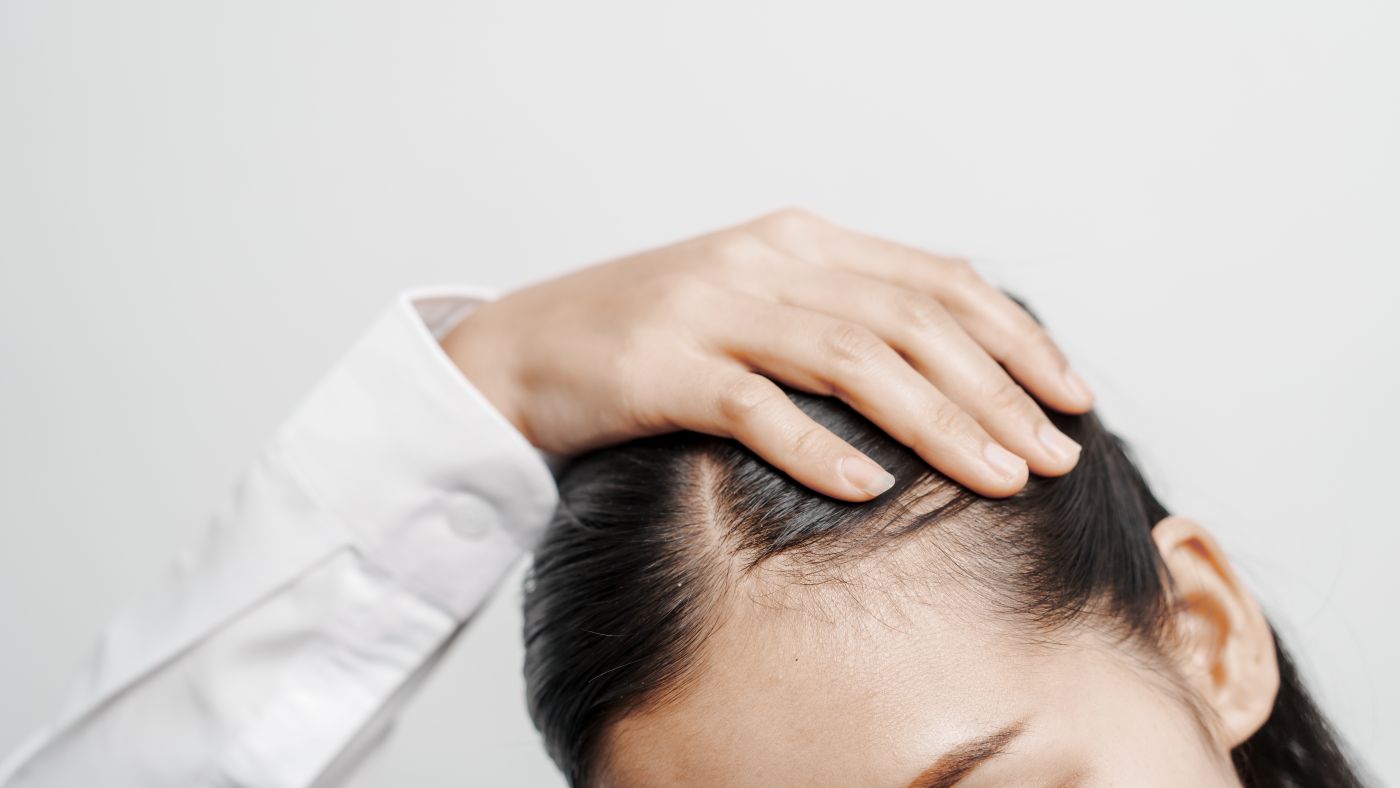
Seborrheic Dermatitis: Causes, Symptoms, and Treatment Options
What Causes Seborrheic Dermatitis?
The exact cause of seborrheic dermatitis is unknown, but several contributing factors have been identified:
- Abnormal immune system response
- Excess yeast (Malassezia) on the skin leading to inflammation
- Hormonal changes, especially increased androgens
- Nervous system disorders increasing sebum production
- Stress and insufficient rest
- Underlying physical illness or weakened immune system
- Weather changes, such as cold/dry or extreme heat
- Exposure to irritants, dust, and pollution
- Genetic factors or family history of allergic conditions
What Are the Symptoms of Seborrheic Dermatitis?
- Red, itchy, flaky rashes with white or yellowish scales, often with undefined borders
- Commonly affects areas rich in sebaceous glands, such as scalp, face (especially eyebrows and sides of the nose), behind the ears, chest, and upper back
- Symptoms may come and go, worsening with stress or weather changes
- May cause hair loss in affected areas
How Is Seborrheic Dermatitis Treated?
Seborrheic dermatitis cannot be permanently cured. Treatment focuses on relieving symptoms and preventing flare-ups or spreading.
- Topical treatments: Medicated creams or shampoos containing selenium sulfide, zinc pyrithione, coal tar, ketoconazole, or mild topical steroids
- Oral medications: For severe or unresponsive cases, doctors may prescribe antifungals or oral steroids, which must be used strictly under medical supervision
Self-Care Tips for People with Seborrheic Dermatitis
- Avoid triggers like stress
- Exercise regularly
- Get adequate rest
- Avoid scratching the rash to prevent irritation or infection
- Use gentle skincare products that are pH balanced and alcohol-free
- Keep skin and scalp clean; avoid applying cosmetics on affected areas to prevent pore blockage