




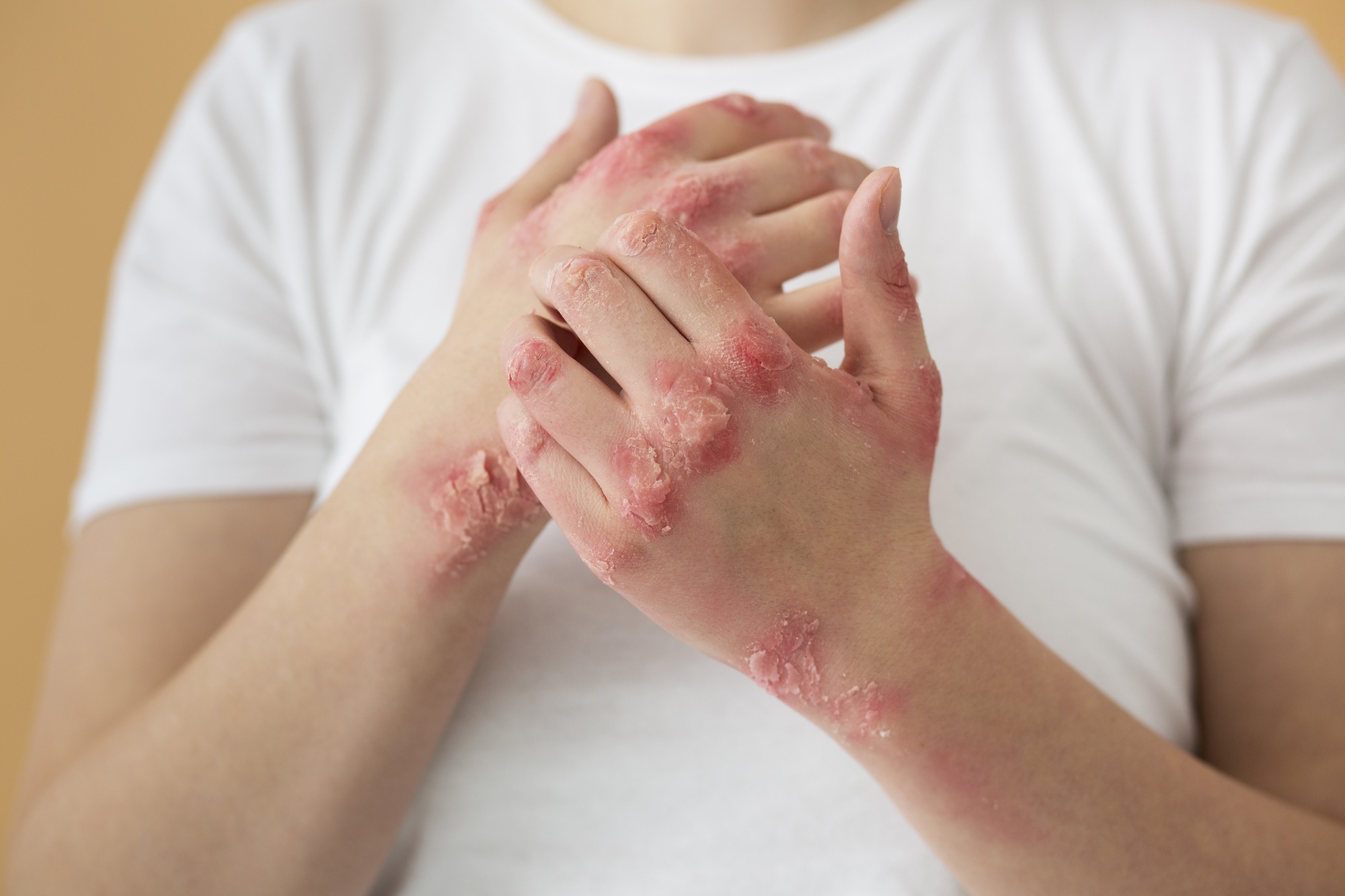
The most common diseases are fungal infections, caused by skin infections such as ringworm and tinea versicolor. Symptoms include itching, redness, and scaling. They are treated with antifungal medications, and consulting a specialist doctor is recommended for proper treatment guidance.
What Are Fungal Infections, What Causes Them, Types, and Treatments
A common health problem that bothers many people is fungal infection. It doesn’t occur only on the skin—it can affect many body areas, including fingernails, toenails, the scalp, and the groin.
Understanding the causes, symptoms, and treatments helps you care for your skin and nails correctly and effectively. Let’s explore what fungal infections are, their causes, how many types there are, how to treat them, and how to prevent recurrences so you can protect your overall health.
What Are Fungal Infections?
Fungal infections are illnesses caused by various fungi on the skin, nails, or other parts of the body. These fungi commonly live in our environment—soil, water, and air—and can spread easily, especially in hot and humid climates.
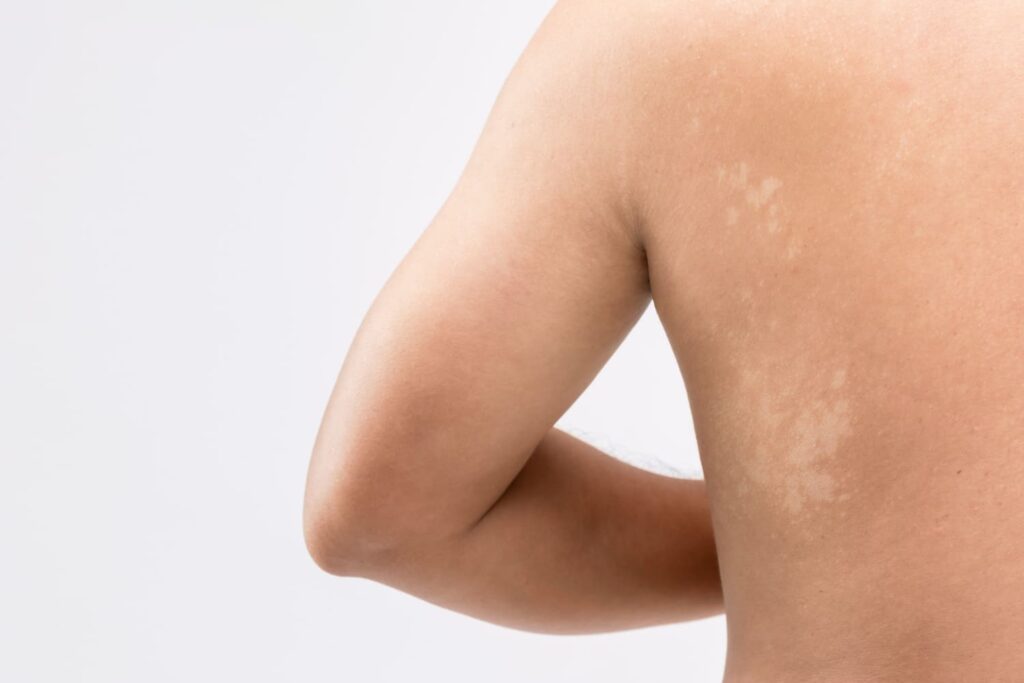
Types of Skin Fungal Infections
Before identifying specific conditions, it helps to know the common patterns of fungal infections so you can recognize symptoms early and see a doctor for proper treatment.
Ringworm (Tinea corporis)
Appears as red, ring-shaped patches with well-defined borders; the outer edge is redder and itchier than the center. Often found on the trunk, limbs, face, and scalp.
Intertrigo (Tinea cruris)
Typically occurs in skin folds such as the groin and armpits. Presents as moist, red, itchy rashes with odor.
Scalp Fungal Infection (Tinea capitis)
Often causes excessive dandruff, hair loss, and scalp itch. Red patches and scaling may appear.
Oral Thrush
Usually due to Candida species, causing white patches on the tongue, inner cheeks, or palate, sometimes with burning and pain.
Vaginal Yeast Infection
Often causes abnormal discharge with odor, itching, and burning.
Fungal infections can also affect the nails and feet. Nail infection leads to thickened, discolored nails with debris under the nail and possible detachment. Athlete’s foot typically occurs between the toes or on the soles, causing peeling skin, itching, odor, and fissures.
Causes of Skin Fungal Infections
Common causes include:
- Environment: Hot, humid conditions encourage fungal growth.
- Contact: Direct skin contact with infected individuals or contaminated items.
- Weakened immunity: People with low immunity—such as those with diabetes or HIV—are more susceptible.
- Certain medications: Some drugs, such as antibiotics or corticosteroids, can lower immunity and raise the risk of infection.
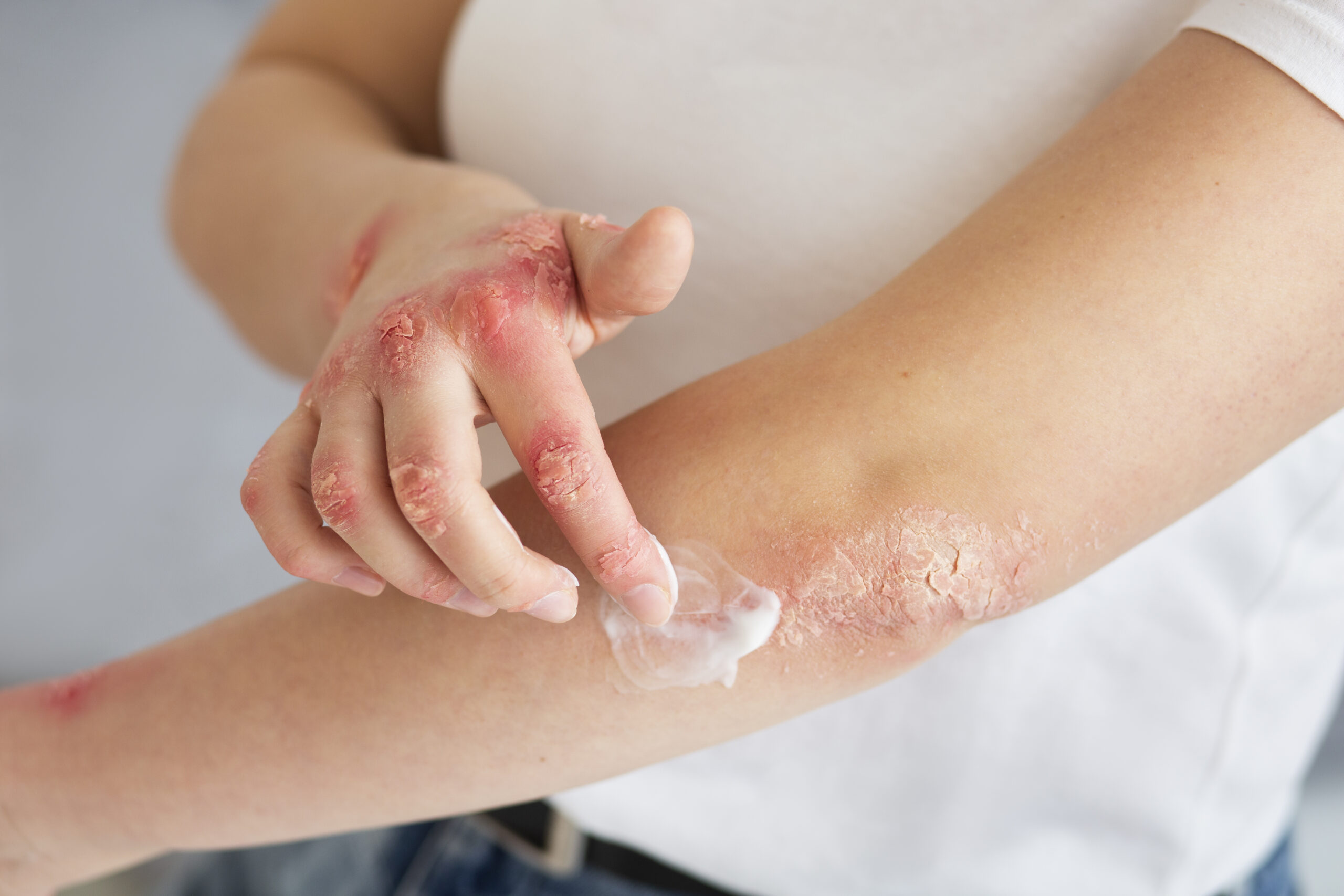
Treating Fungal Infections (Fungal Dermatitis)
Treatment depends on the fungus type, the affected area, and severity. A specialist will diagnose and prescribe appropriate therapy, generally in the following forms:
- Topical medications (cream, lotion, gel)
These are first-line for many skin infections. Topicals directly inhibit fungal growth. They are convenient and have fewer side effects but may require longer treatment than oral drugs.
- Oral medications
For severe infections or nail involvement, doctors may prescribe oral antifungals for faster, systemic effect. Possible side effects include nausea and vomiting. Consult your doctor and follow instructions closely—self-medicating may be ineffective or unsafe.
- Other formulations
Depending on the site, antifungal shampoos can be used for scalp infections, and vaginal suppositories for vaginal candidiasis.
Summary
In short, fungal infections are caused by various fungi affecting the skin, nails, or other areas (often the groin). They thrive in warm, moist environments. Good personal hygiene, avoiding contact with sources of fungi, and keeping environments clean and dry can help prevent infection.