




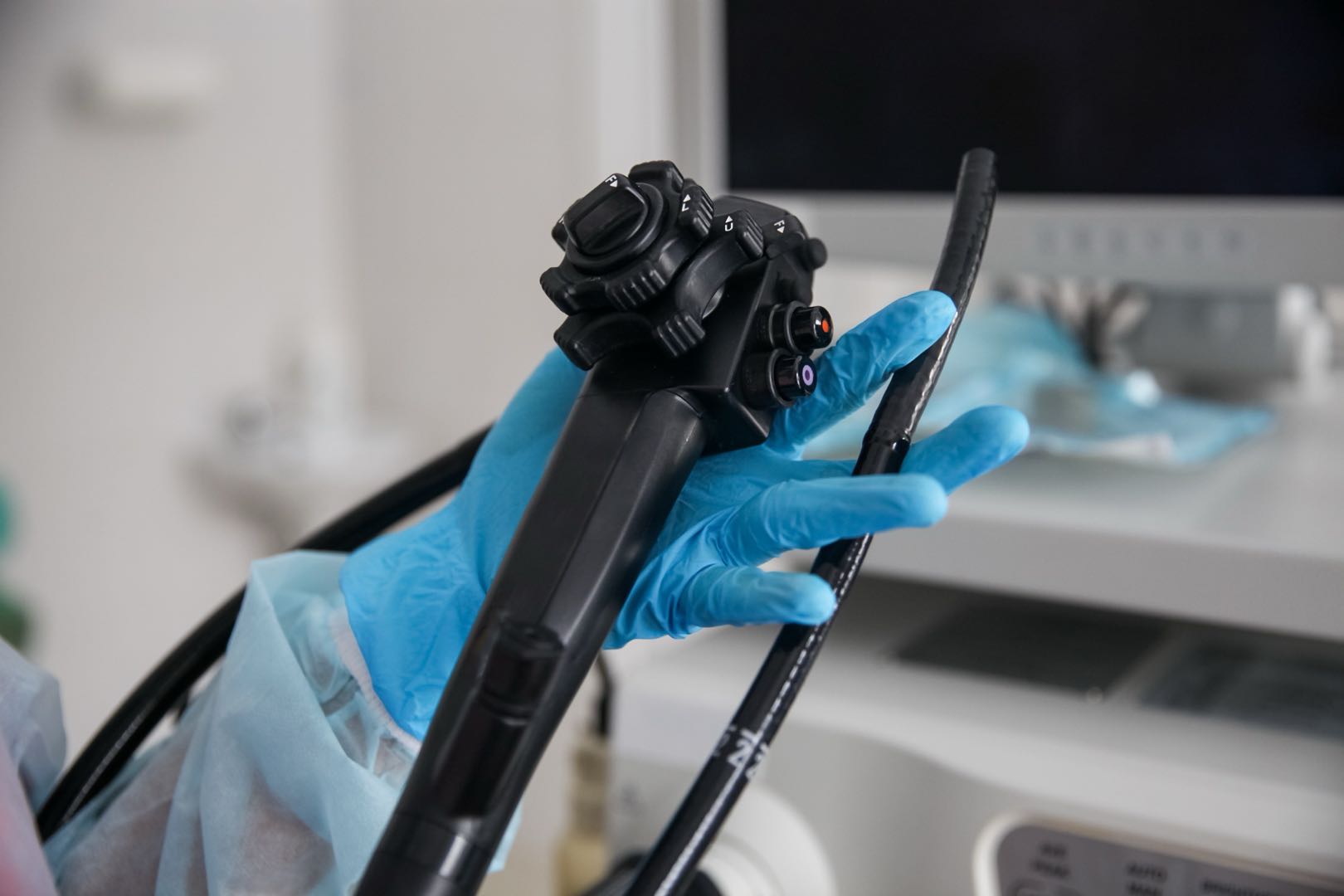
New Hope: Treating Bile Duct Stones with ERCP Innovation
If you are suffering from gallstones or bile duct stones and looking for an effective and low-risk treatment, you’re in luck! Medical technology has advanced to include ERCP (Endoscopic Retrograde Cholangiopancreatography), a new hope in treating bile duct stones without major surgery. Synphaet Ramindra Hospital now offers detailed insight into symptoms, diagnosis, and treatment using ERCP innovation.
Where Does It Hurt? Signs of Bile Duct Stones
If you experience pain under the right rib cage, at the epigastric area, or radiating to the back or right shoulder, it may be a sign of bile duct stones.
How to Differentiate Ordinary Stomach Pain vs. Bile Duct Stones
Regular abdominal pain usually improves on its own or with medication. Pain from bile duct stones often has these characteristics:
- Sudden, severe pain that may be unbearable
- Pain in the upper abdomen or center of the belly
- Yellowing of the skin and eyes, dark urine
- Fever and chills if there is infection
- Nausea and vomiting
- Pain unrelated to eating (unlike gallbladder stones)
Accurate Diagnostic Techniques
To confirm the diagnosis, physicians may use:
- Blood tests: Liver function and bilirubin levels
- Abdominal ultrasound: For viewing gallbladder and bile ducts
- CT Scan: Detailed imaging of bile ducts
- MRI and MRCP: High accuracy in detecting bile duct stones
- ERCP: Most accurate, allows diagnosis and treatment at the same time
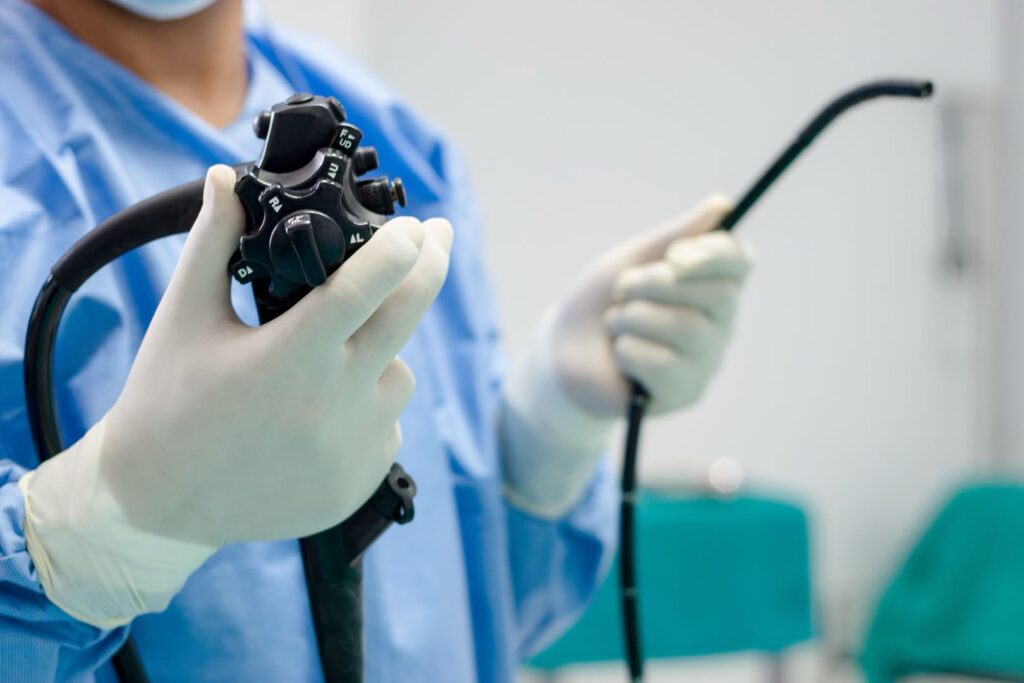
ERCP Treatment Procedure
ERCP is a highly effective, low-risk option. The scope is inserted through the mouth to the bile duct for direct visualization and immediate treatment.
Balloon Extraction
Used for small stones, a balloon is inflated to push the stone out.
Basket Extraction
Used for larger stones, a wire basket traps and removes the stones. Laser or fragmentation may be needed for very large stones.
Preparing for ERCP
- Fast for 6–8 hours
- Inform the doctor of any chronic diseases, medications, or allergies
- Blood tests may be done for readiness
Aftercare Post-ERCP
- Mild sore throat or abdominal discomfort may occur
- Stay hydrated, eat soft foods, avoid fatty meals
- Seek medical help if pain, fever, or abnormal symptoms occur
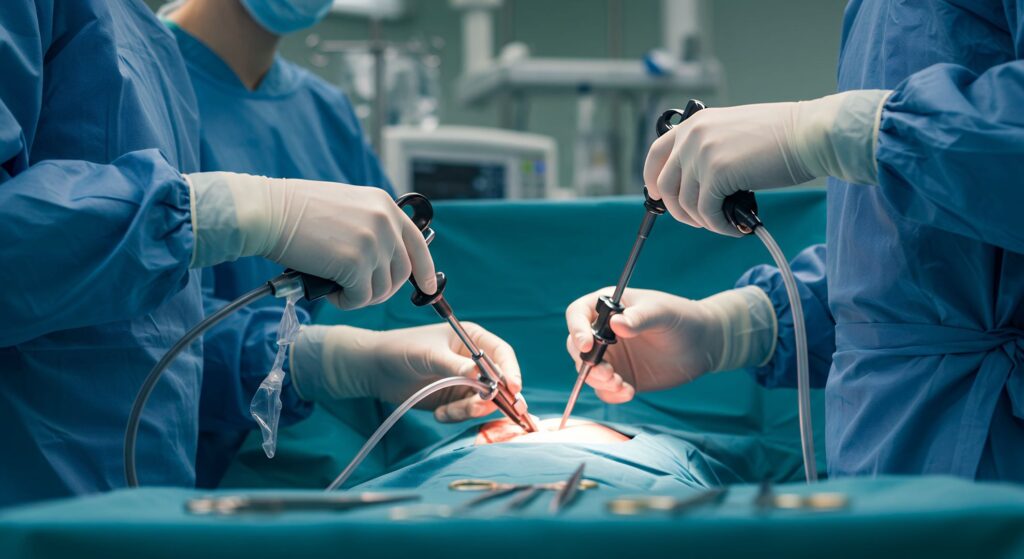
Step-by-Step ERCP Procedure
Sedation
Medication is given to relax the patient.
Positioning
Patient lies on their left side for easier scope insertion.
Endoscopy
The scope is passed through the mouth, esophagus, stomach, and duodenum to the bile duct opening.
Catheter and Fluoroscopy
A catheter is used to inject contrast dye. X-ray images help visualize the bile ducts and stones clearly.
Begin Treatment
Stones are removed using balloon or basket techniques as appropriate.
Benefits of ERCP
- No major surgery, faster recovery
- High diagnostic and therapeutic accuracy
- Treatment can begin immediately upon detection
- Lower risk of complications compared to open surgery
Consult Specialists in Bile Duct and Pancreatic Health
ERCP is a safe, effective, and minimally invasive option. If you have concerns about your bile duct or pancreas health, consult a specialist at Synphaet Ramindra Hospital for proper advice and care.