




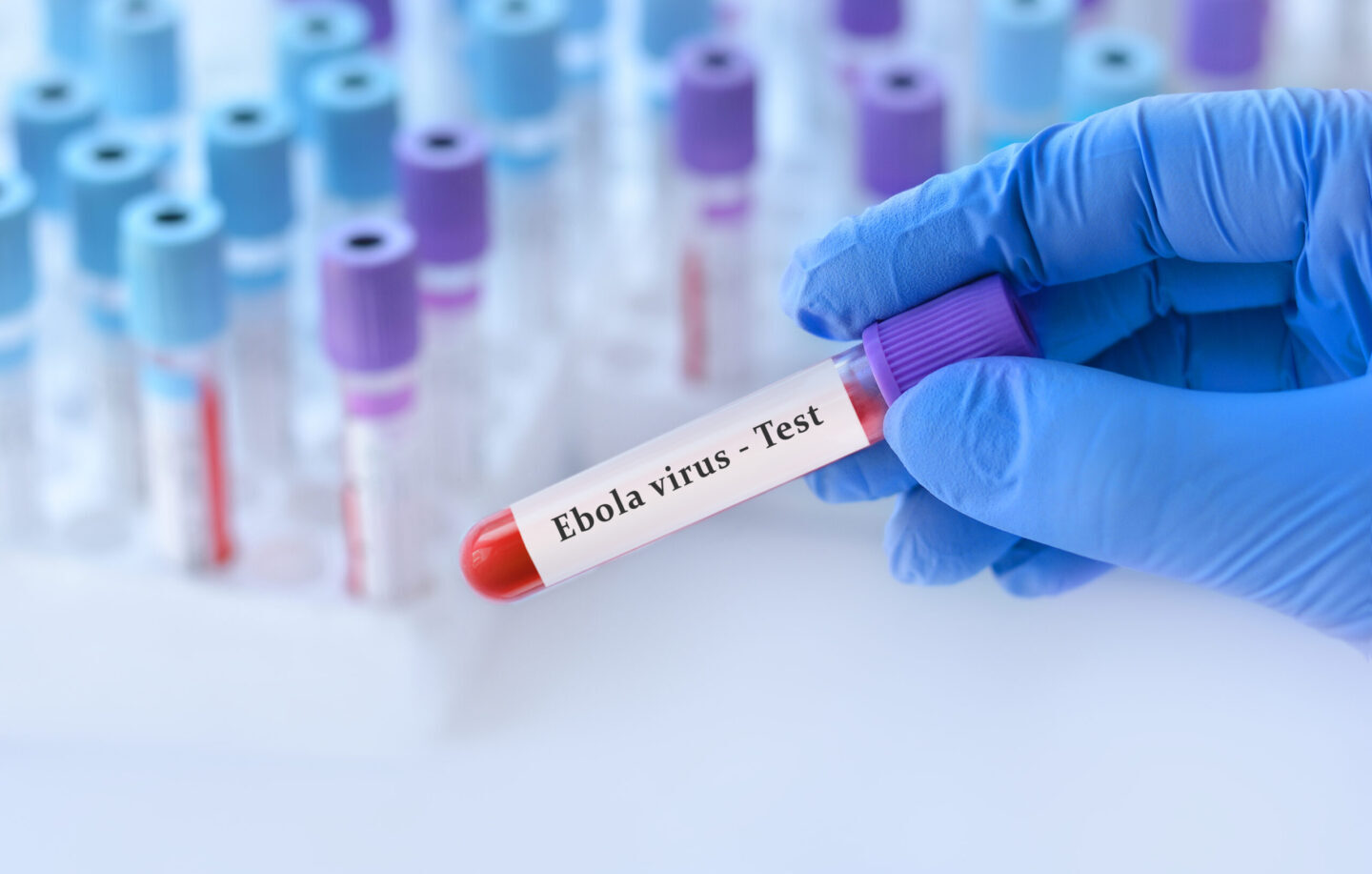
Ebola Virus Disease: A Public Health Threat in Africa
Ebola Virus Disease (EVD) is an acute, severe viral infection with a high mortality rate ranging from 50% to 90%. This condition constitutes a significant medical epidemic situation, particularly in Central and West Africa.
Classification and Biological Characteristics of Ebola Virus
The Ebola virus is a member of the Filoviridae family, classified under a specific biological viral group that exhibits high genetic diversity. Currently, the primary strains have been identified as follows:
- Zaire ebolavirus: The most virulent strain, with a high mortality rate ranging from 60% to 90%. It is the most common cause of large-scale outbreaks in West Africa. Currently, specific vaccines and targeted treatment options have been developed for this strain.
- Sudan ebolavirus: Highly virulent, predominantly identified in Sudan.
- Bundibugyo ebolavirus: Moderately to highly virulent, with a mortality rate ranging between 25% and 50%. Outbreaks currently persist in Congo and Uganda. However, specific vaccines or targeted treatments have not yet been developed for this strain.
- Other Strains: Including Taï Forest ebolavirus and Reston ebolavirus, which are rare and generally do not cause severe disease in humans.
Transmission Routes and Disease Outbreaks
Understanding the modes of transmission is crucial for the prevention and control of outbreaks. The Ebola virus originates from natural animal hosts and can be transmitted from animals to humans through direct contact with the blood or bodily fluids of infected animals. Example reservoir hosts include fruit bats, chimpanzees, gorillas, and porcupines.
Human-to-Human Transmission Mechanisms
Once a human is infected, transmission to other individuals can occur through several pathways:
- Direct Contact: Contact through broken skin or mucous membranes with the blood or bodily fluids of patients, including nasal secretions, saliva, urine, and feces.
- Contact with Contaminated Objects: Exposure to objects and items contaminated with the virus, such as clothing, needles, bedding, and medical equipment.
- Sexual Transmission: The virus has the ability to survive in semen for up to 7 weeks, even after clinical recovery.
- Burial Rituals: Direct contact with the bodies of individuals who died from the Ebola virus, particularly during religious or cultural rituals involving body handling.
Medical Note: Ebola virus is not airborne, and transmission via bat flies is not a risk factor for infection.
Clinical Features and Disease Progression
The incubation period of the disease ranges from approximately 2 to 21 days. Upon entering the body, the virus penetrates immune cells and spreads via the lymphatic system and bloodstream to various organs. The virus damages endothelial cells, leading to vascular leakage and hemorrhage. It also triggers severe inflammatory responses, leading to shock and multi-organ failure.
Stages of Disease Progression
- Initial Stage (Days 2-7): Patients present with acute high fever, significant fatigue, severe headache, muscle pain, sore throat, and loss of appetite.
- Severe Stage (Days 3-10): Symptoms include nausea, vomiting, severe diarrhea, abdominal pain, maculopapular rash, red eyes, and the onset of renal and hepatic dysfunction.
- Critical Stage (Week 2): Disseminated hemorrhage throughout the body, including petechiae, epistaxis, hematemesis, melena, liver failure, kidney failure, hypovolemic shock, and multi-organ failure, which may lead to death at this stage.
Infectivity Note: Patients become contagious at the onset of fever and remain infectious as long as their blood and bodily fluids contain the virus.
Diagnostic Methods and Confirmation
Accurate diagnosis is vital for proper disease management. Diagnostic procedures must be performed in high-containment laboratories utilizing the following techniques:
- RT-PCR (Reverse Transcription Polymerase Chain Reaction): Used to detect viral genetic material in clinical specimens.
- Antigen Detection ELISA: Used to identify viral proteins.
- Antibody Capture ELISA: Used to determine the body’s immune response.
- Viral Isolation: Culturing techniques performed to confirm the presence of the live virus.
Treatment Strategies and Patient Care
Supportive Care
Currently, there is no approved specific treatment effective against all strains of the Ebola virus. The primary therapeutic approach relies on supportive care to maintain physiological function:
- Intravenous or oral rehydration and electrolyte replacement to correct dehydration and electrolyte imbalances.
- Respiratory support and oxygen therapy to maintain proper ventilation.
- Maintenance of blood pressure using vasopressors to prevent shock.
- Management of renal failure through dialysis or related therapies.
- Close monitoring and treatment of secondary infections.
Specific Treatment
For infections caused by the Zaire ebolavirus strain, specific therapeutic interventions have been developed:
- Antibody Therapy: Such as Inmazeb and Ebanga, which are formulations consisting of monoclonal antibodies.
- Vaccines: Ervebo and Zabdeno/Mvabea have been approved for prevention and immunization. However, these therapies and vaccines are designed exclusively for the Zaire strain.
Current Situation: Because current outbreaks are caused by the Bundibugyo strain, there are no officially approved vaccines or targeted therapies available for this strain. World Health Organization initiatives are currently evaluating the urgent deployment of experimental vaccines in affected regions.