




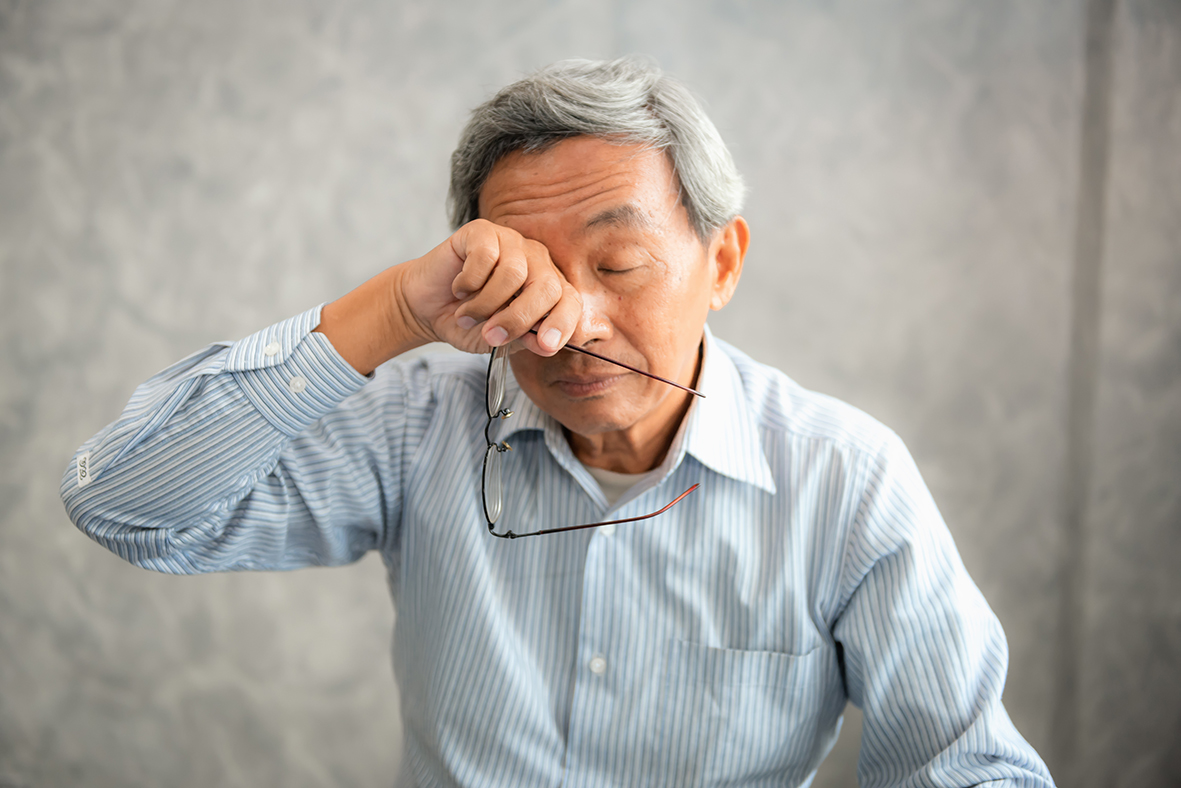
เป็นอาการที่พบได้บ่อย แต่ผู้ที่มีอาการนี้จะไปพบแพทย์ด็ต่อเมื่อมีอาการมากแล้วเท่านั้น หากถามว่าอาการเวียนศีรษะนั้นเป็นอย่างไร ส่วนมากจะตอบด้วยความคลุมเครือ เช่นตอบว่า มึนๆ งงๆ พอถูกถามมากๆ เข้าก็บอกได้แค่ว่า ”ก็มันเวียนๆ” ซึ่งทำให้แพทย์สับสนและให้การวินิจฉัยที่ผิดพลาดได้ ผู้เขียนจึงอยากใช้เวลาสักเล็กน้อยทำความเข้าใจกับอาการเวียนศีรษะ อาการเวียนศีรษะมีหลายลักษณะจากประสบการณ์ในการดูแลผู้ป่วยมาเป็นเวลานานขอสรุปดังนี้ อาการเวียนแบบหมุนๆ อาการวิงเวียนหน้ามืดคล้ายจะเป็นลม อาการมึนงงแต่ไม่เวียนหมุน อาการทรงตัวไม่อยู่แต่ไม่มึนงง
Dizziness and Vertigo
Dizziness is a common symptom affecting individuals of all ages and genders, arising from a diverse range of underlying causes. Some patients misinterpret their symptoms—such as describing a headache as dizziness—which makes a thorough medical history and physical examination essential for accurate diagnosis. Dizziness encompasses several clinical presentations, each pointing toward different etiologies, summarized as follows:
- True vertigo (a false sensation of spinning, either of oneself or the environment)
- Presyncope or lightheadedness (a sensation of impending faintness)
- Disequilibrium or unsteadiness without a spinning sensation
- Imbalance and gait instability without true dizziness
Individuals experiencing dizziness must accurately recognize the characteristics of their symptoms, as each of the four presentations stems from distinct medical conditions. It is crucial to remember that dizziness is a symptom rather than a standalone disease—much like a headache or fever. Consequently, medical management requires identifying and addressing the root cause rather than relying aimlessly on symptomatic antivertigo medications.
Many believe that experiencing dizziness automatically warrants extensive diagnostic imaging, such as computed tomography (CT) scans, magnetic resonance imaging (MRI), or specialized vestibular/auditory tests (such as ABR, VNG, ENG, or ECochG). In reality, these tests often yield normal findings when performed routinely without specific indications. A comprehensive clinical history and physical examination performed first can identify the underlying cause in more than 70% of cases.
Severe dizziness can significantly impair daily functioning, often requiring patients to take multiple days off work. Thus, identifying the precise etiology and understanding the condition is vital for effective management.
The mechanisms and treatments for dizziness vary by cause. Some conditions are self-limiting as the body’s central compensation mechanisms adapt; others can be effectively controlled to prevent recurrence even if they cannot be cured permanently; and certain etiologies may pose serious health risks if left untreated.
Inner Ear Etiologies (Vestibular End-Organ Disorders)
Dizziness of inner ear origin typically presents as true spinning vertigo, often severe in intensity, accompanied by prominent nausea, vomiting, and gait instability. Clinicians perform specific physical examinations to diagnose these conditions, such as assessing characteristic positional nystagmus (involuntary eye movements) under stimulation.
Common inner ear causes include Benign Paroxysmal Positional Vertigo (BPPV), vestibular neuritis, and Meniere’s disease (endolymphatic hydrops). Each disorder exhibits distinct clinical features and treatment protocols. Among the most frequent is Benign Paroxysmal Positional Vertigo (BPPV), characterized by brief episodes of spinning vertigo triggered by specific head position changes, such as lying flat or turning over in bed. Definitive management involves specialized canalith repositioning maneuvers performed by a physician to guide displaced otoliths back into place. Post-procedure guidelines include avoiding sudden head bending or neck hyperextension (such as at salon shampoo bowls) to prevent recurrence.
Vestibular Migraine
Vestibular migraine is frequently observed in middle-aged adults, many of whom are unaware that their symptoms are migraine-related. While migraine is commonly thought of as a unilateral headache, it can present bilaterally with throbbing or pulsating pain aligned with the heartbeat. In many instances, the headache is secondary or absent, and episodic dizziness or vertigo is the predominant symptom—a condition termed vestibular migraine. Patients may experience spinning vertigo or generalized lightheadedness that fluctuates, with or without headache and tinnitus. Symptoms are often precipitated by specific triggers, including photophobia (light sensitivity), phonophobia (sound sensitivity), or visual auras (such as flashing lights or sparkling spots). Diagnosis relies on a detailed clinical history and examination focused on migraine triggers. A key component of treatment involves trigger avoidance, including:
- Maintaining a consistent sleep schedule with 7–8 hours of adequate rest and avoiding late nights
- Eating regular, balanced meals and avoiding prolonged fasting
- Avoiding specific dietary triggers and substances:
- Alcoholic beverages
- Caffeine-containing beverages, such as coffee, tea, green tea, and certain soft drinks
- Foods high in refined sugars or excessive fats
- Foods containing butter or aged cheeses
- Chocolate and cocoa products
- Artificial sweeteners, such as aspartame
- Avoiding extreme heat exposure or strong pungent odors that provoke episodes
If significant symptoms persist despite lifestyle adjustments, medical consultation is recommended for targeted prophylactic or abortive pharmacological therapy.
Furthermore, dizziness can stem from numerous other etiologies, including central nervous system conditions such as a Vestibular Schwannoma (acoustic neuroma), which typically manifests with unilateral sensorineural hearing loss, dizziness, and progressive gait ataxia, requiring confirmation via brain MRI. Presyncope or fainting sensations may also originate from underlying cardiovascular disorders. Therefore, severe, progressive, or persistent dizziness requires prompt medical evaluation for an accurate diagnosis and targeted treatment plan.