




Carotid Artery Stenosis: A Silent Threat That Can Lead to Paralysis
Carotid artery stenosis is a condition where the carotid arteries, the main blood vessels located on both sides of the front of the neck, become narrowed or blocked. This is a critical condition that requires close attention because these major arteries are primarily responsible for delivering blood to the forebrain, which controls speech, thinking, memory, and movement. When these arteries narrow or clog, the brain is at high risk of oxygen deprivation, potentially leading to a temporary or permanent stroke.
What Causes Carotid Artery Stenosis?
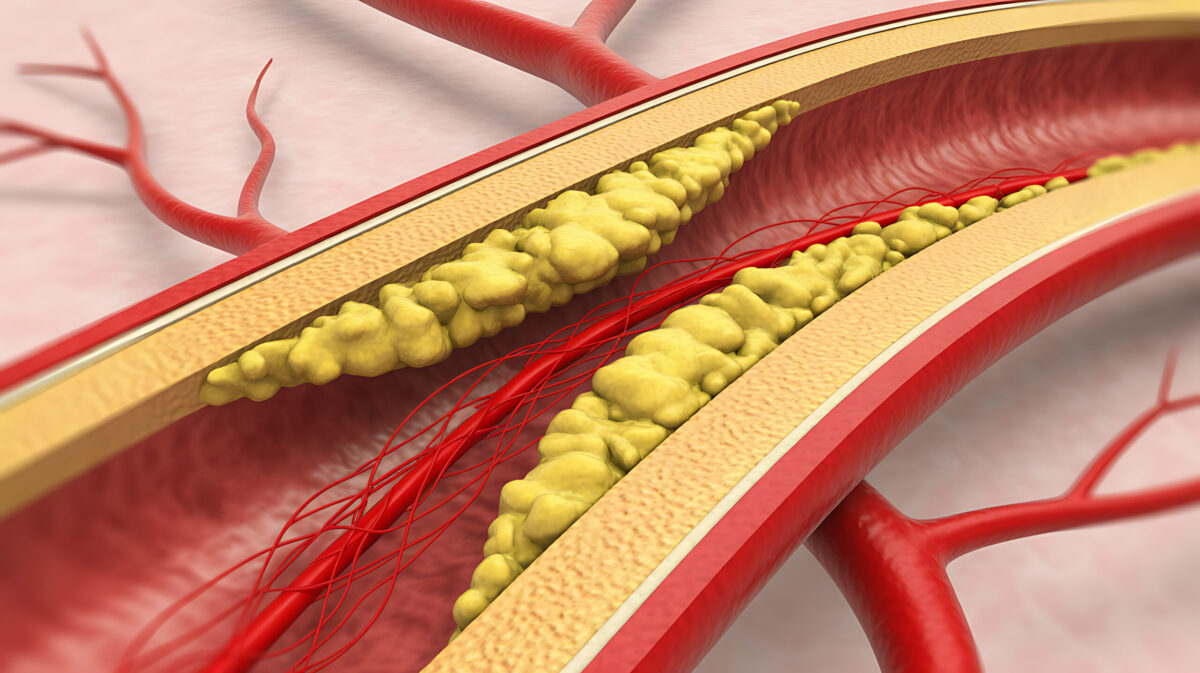
The majority of cases are caused by atherosclerosis (hardening and thickening of the arteries), which results from the accumulation of fatty plaques, cholesterol, calcium, and fibrous tissue on the inner walls of the blood vessels. Over time, these plaques build up and thicken, narrowing the passage for blood flow and causing the vessels to lose their elasticity.
What Are the Risk Factors for Carotid Artery Stenosis?
- Advanced age, particularly over 60 years old
- Hypertension (high blood pressure)
- Smoking
- Diabetes or high blood sugar levels
- Hyperlipidemia (high blood cholesterol)
- Obesity
- Lack of physical exercise
- Chronic kidney disease
- Heart disease
- Vasculitis (blood vessel inflammation)
- Radiation therapy to the neck region
- Carotid artery dissection (tearing of the vessel wall)
- Congenital vascular abnormalities
- Family history of stroke or cardiovascular disease
What Are the Symptoms of Carotid Artery Stenosis?
In the early stages, most patients remain asymptomatic, and the condition is often discovered incidentally during routine health check-ups. However, as the narrowing becomes severe or if tiny blood clots break off from the fatty plaque and travel up to block blood vessels in the brain, it can cause an ischemic stroke or a transient ischemic attack (TIA), presenting with the following symptoms:
- Facial drooping, crooked mouth, drooping corner of the mouth, or difficulty swallowing
- Sudden weakness or numbness on one side of the body (face, arm, or leg)
- Slurred speech, difficulty finding words, or trouble understanding others
- Loss of balance, dizziness, or unsteady gait
- Blurred vision or sudden loss of vision
- Loss of consciousness
How Is Carotid Artery Stenosis Diagnosed?
- Physical Examination: A physician uses a stethoscope to listen for a “bruit” (a swooshing sound) in the neck. A narrowed artery creates turbulent blood flow, which generates this distinct sound.
- Carotid Doppler Ultrasound: The most common and preferred screening standard. It is safe, non-invasive, and painless, utilizing sound waves to measure blood flow velocity and determine the thickness of plaque inside the arteries.
- CTA (Computerized Tomography Angiography): A contrast-enhanced CT scan that produces clear 3D images of the blood vessels, crucial for pre-treatment planning.
- MRA (Magnetic Resonance Angiography): Utilizes magnetic fields and radio waves to provide detailed images of the entire carotid artery structure without exposing the patient to radiation.
- Digital Subtraction Angiography (DSA): The gold standard for detailed vascular assessment. However, because it involves inserting a catheter and using contrast dye, it carries some risks and is typically reserved for necessary cases or immediately prior to certain interventions.
How Is Carotid Artery Stenosis Treated?
The choice of treatment depends on the severity of the stenosis, the patient’s symptoms, age, and co-existing medical conditions, decided through shared decision-making between the physician and the patient.
Medical Treatment and Lifestyle Modification (For mild stenosis or asymptomatic cases)
- Antiplatelet Medications: Such as Aspirin or Clopidogrel, to prevent platelets from clumping together and forming blood clots.
- Lipid-Lowering Medications: To control cholesterol levels and stabilize existing plaques, preventing them from rupturing or breaking off easily.
- Management of Co-existing Conditions: Keeping blood pressure, blood sugar, and blood lipid levels within normal targets.
- Lifestyle Modifications: Quitting smoking, exercising regularly, maintaining a healthy weight, and reducing the consumption of foods high in fat, sugar, and sodium.
Surgical and Interventional Treatment (For severe stenosis > 70% or symptomatic cases)
- Carotid Endarterectomy (CEA): A surgical procedure to open the carotid artery and remove the accumulated fatty plaque to restore normal blood flow.
- Carotid Artery Stenting (CAS): A minimally invasive procedure where a catheter is inserted through the groin and guided to the blockage. A balloon is inflated to widen the artery, and a metal mesh stent is placed to keep it open. This is highly suitable for patients at high risk for open surgery.
Carotid artery stenosis is a silent threat that must not be ignored. Managing risk factors and undergoing screening for high-risk individuals are the most effective ways to prevent debilitating strokes.