



Care and Awareness: Spotting Allergy Symptoms in Children for New Parents
Being a new parent is never easy, especially when it comes to keeping your child healthy. A key reason is that children’s immune systems are not yet fully developed, making them more vulnerable to environmental triggers, food, and climate changes. This often results in allergic reactions. Synphaet Children’s Hospital shares how to identify allergy symptoms in each age group, risk factors, how to test for allergies, treatment methods, and prevention tips.
What Do Allergy Symptoms in Children Look Like?
Allergy symptoms vary depending on the affected body system and the child’s age. Common presentations include:
Newborns
Newborns can show allergic reactions from a few months old, often to cow’s milk, eggs, soy, or wheat. Symptoms include vomiting, diarrhea, and in severe cases, bloody stools or respiratory distress. Children with family history of allergies are at greater risk.
Toddlers
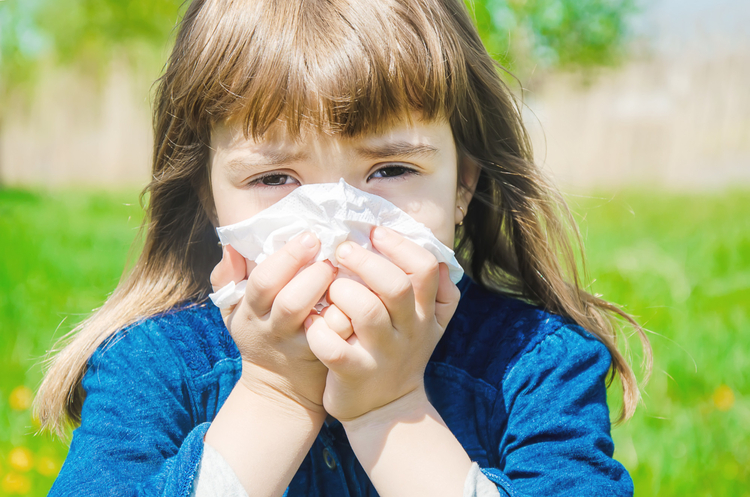
As children grow, symptoms may become more obvious: sneezing, nasal congestion, runny nose, itchy eyes/nose, or skin reactions like eczema. Severe or untreated symptoms may cause sleep disturbances, snoring, or lead to complications affecting the heart or lungs.
Older Children
Allergy symptoms may resemble those of adults: allergic rhinitis (sneezing, runny nose, nasal itchiness), itchy/watery eyes, or asthma triggered by allergens like dust mites or animal dander.
Risk Factors for Allergies in Children
Two major factors influence childhood allergies: genetics and environment.
Genetics
If one parent has allergies, the child has a 20–40% chance of being allergic. If both parents do, the risk increases to 50–80%.
Environment
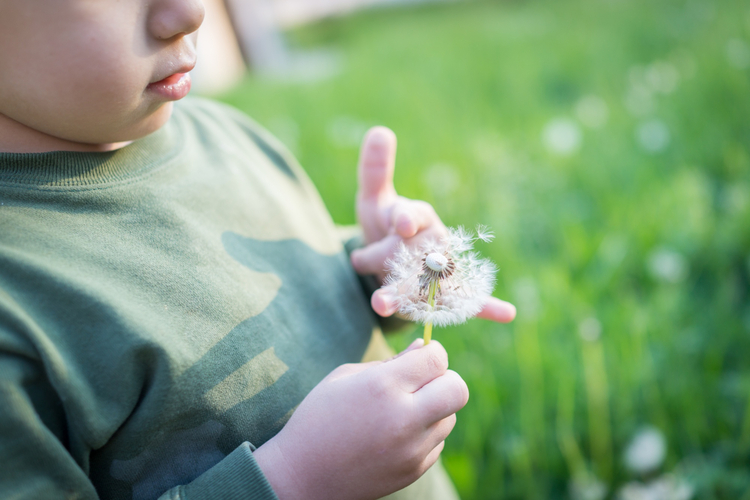
Environmental allergens include cockroaches, pets, dust mites, air pollution, and PM2.5. Certain foods like soy milk, cow’s milk, and goat’s milk can also trigger allergies.
How to Diagnose Allergies in Children
Diagnosis involves history taking, physical examination, blood testing, or skin testing depending on symptoms. Preparation includes:
- Avoid antihistamines for 7 days before testing
- Inform doctors of all medications taken
- Discontinue topical steroids before skin testing
- No need to fast before the test

Treatment Options for Childhood Allergies
Avoiding allergens is the best preventive measure. Medication may include antihistamines or nasal sprays, tailored to individual needs under doctor supervision.
Prevention Tips for Parents
- Keep only essentials in the bedroom to reduce dust
- Clean bedding, curtains, and air conditioners regularly
- Dispose of food waste to prevent pests
- Avoid smoking in or near the home
- Encourage physical activity, especially for children with asthma
Conclusion
Childhood allergies can be prevented and treated. Early awareness, avoiding triggers, maintaining good health, and timely medical advice are key to managing allergies effectively.